
Flaming Gold
1932
No user ratings available yet
Representation score: 1.3 out of 10

Representation Score
Minimal
1933
NRDirector
Ralph Ince
Runtime
70 minutes
Average Rating
No ratings yetNew Showbiz Analysis
Lucky Devils is a product of the early 1930s studio system, prioritizing standard action-drama clichés over social complexity. The narrative revolves around a professional rivalry between two stuntmen, serving as a backdrop for a conventional romantic subplot. The film relies on traditional hierarchies, particularly regarding gender, where the female lead is positioned as a prize to be won. This reflects the era's tendency to use women as plot devices rather than active agents. Overall, the film lacks depth in reflecting multiple aspects of identity. It operates within the narrow social and casting parameters of its time, offering little in the way of diverse representation or systemic critique.
Category Breakdown
The film follows a traditional framework focused on male rivalry and does not include any non-cisgender identities or critiques of standard romantic structures.
Women are portrayed as passive objects in the central romantic competition, while the male characters drive the action.
The film likely adheres to the homogeneous casting standards typical of 1930s studio productions and does not include any racial diversity.
The story emphasizes individualistic achievement and professional competition, lacking any significant cultural or moral relativism.
There is no information about the inclusion or portrayal of characters with physical or neurodivergent disabilities.
Present on Screen
Limited or Absent
Official Synopsis
Two Hollywood stuntmen compete for the same pretty extra.
1932

1928
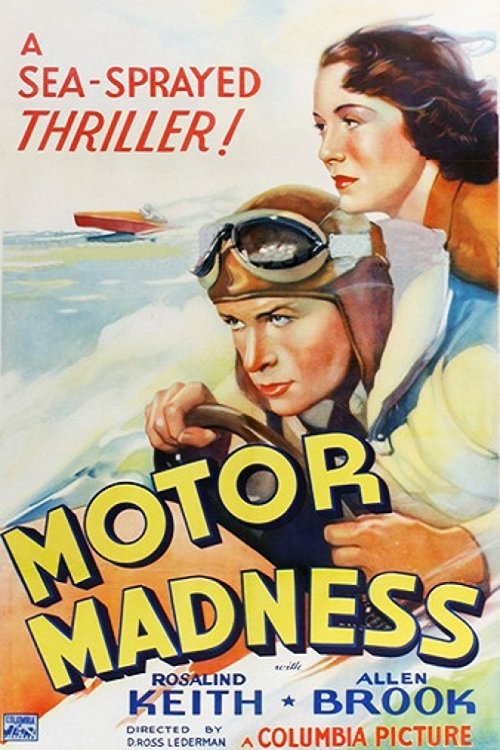
1937
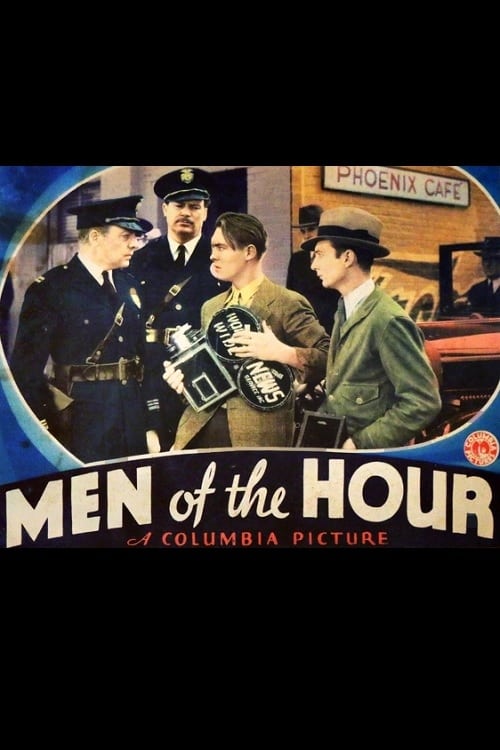
1935
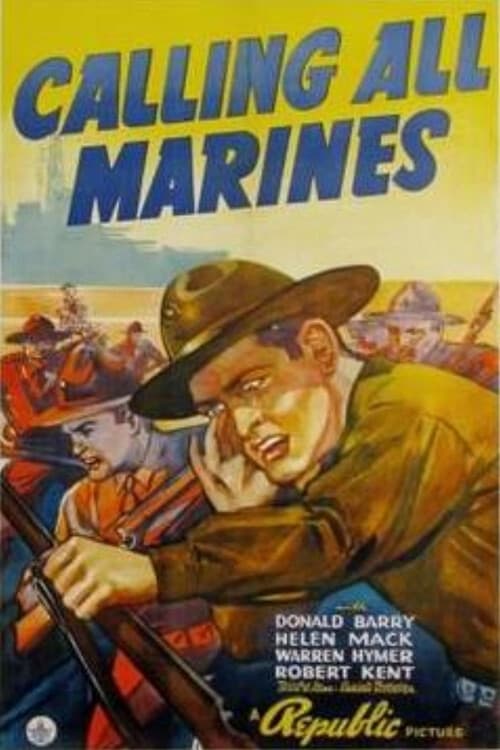
1939
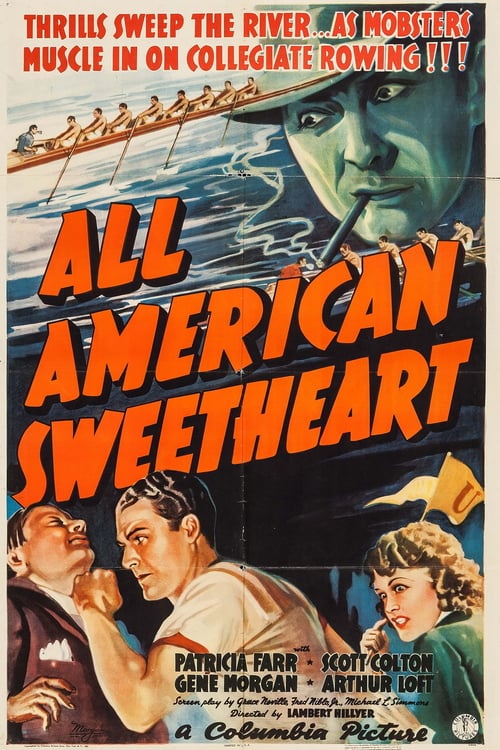
1937
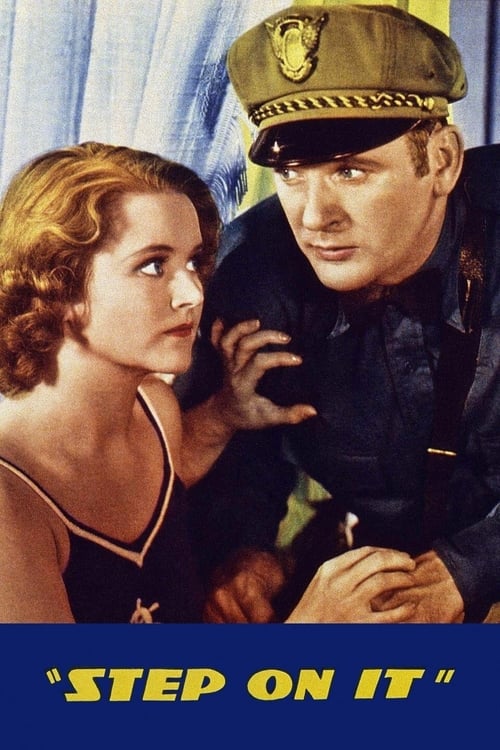
1936

1931
No reviews yet. Be the first to share your thoughts on this movie!
Use the rating form above to leave a star rating and optional review.