
Afternoon at the Bulls
1956
No user ratings available yet
Representation score: 2.9 out of 10

Representation Score
Minimal
1949
Director
Luis Lucia
Runtime
98 minutes
Average Rating
No ratings yetNew Showbiz Analysis
Currito de la Cruz reinforces traditional social, gender, and cultural hierarchies. The film prioritizes the preservation of mid-century Spanish identity without attempting to disrupt established norms. The narrative structure focuses on male-driven professional success and straight-centered romantic entanglements. This approach maintains the social frameworks of 1940s Spain without challenging them. While the film provides insight into localized traditions, it lacks diversity in terms of race, gender roles, and identity.
Category Breakdown
The film follows a conventional structure that assumes everyone is straight or cisgender. There are no representations of non-cisgender gender identities or same-sex relationships.
The story centers on male professional achievements in bullfighting. Female characters primarily serve as romantic interests or objects of fascination, reinforcing mid-century feminine stereotypes.
The film reflects the demographic homogeneity of rural 1940s Spain. It lacks a multicultural cast and focuses on preserving specific Spanish cultural traditions.
The narrative is deeply rooted in traditional Spanish institutions like bullfighting and flamenco. It reinforces nationalistic identities and adheres to the social norms of the era.
There are no prominent depictions of physical or neurodivergent characters. Disability is not used as a narrative device in this production.
Present on Screen
Limited or Absent
Official Synopsis
Currito de la Cruz's dream is to become a bullfighter. When he gets the chance to bullfight for the first time, he meets Carmona, a retired renowned bullfighter whom he manages to fascinate. As his protégé, Currito begins to be famous. At the same time, Currito falls in love with Rocío, Carmona's daughter, but his love is not reciprocated, because she loves Ángel Romera, another bullfighter.
1956

1992
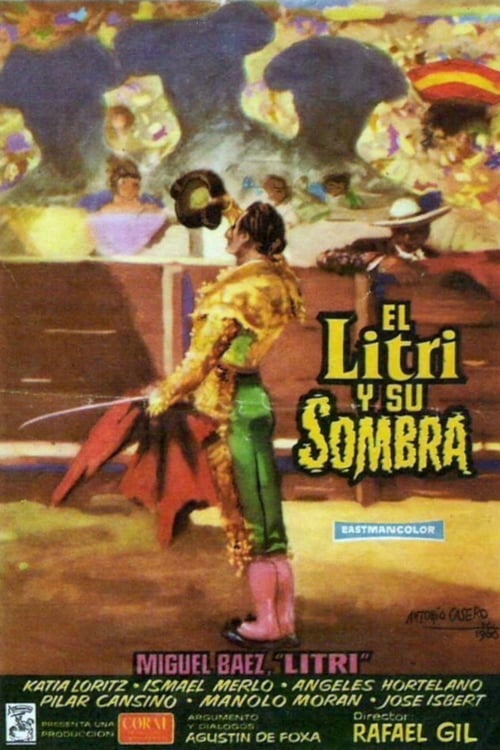
1960
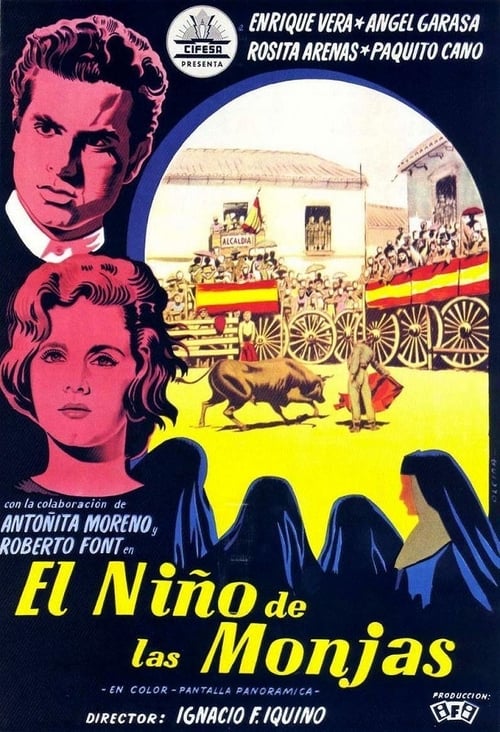
1959
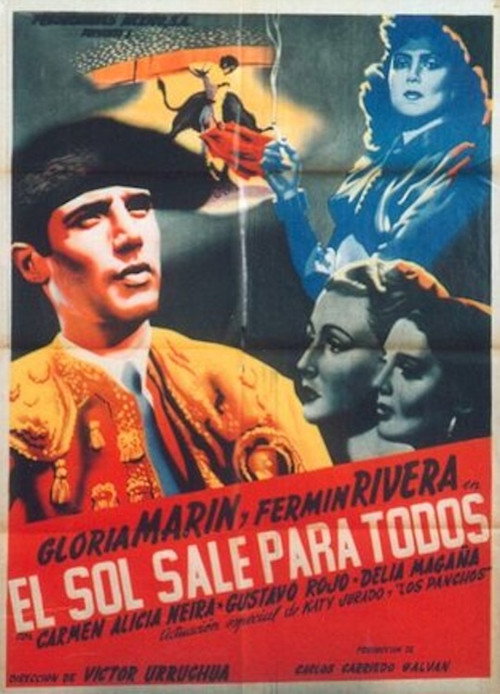
1950
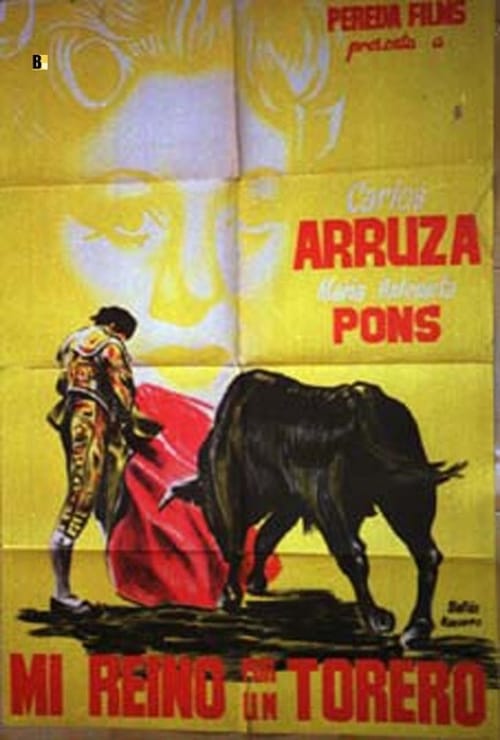
1944
1963
1941
No reviews yet. Be the first to share your thoughts on this movie!
Use the rating form above to leave a star rating and optional review.