Put Up or Shut Up
1959
No user ratings available yet
Diversity score: 3.1 out of 10
1950
NRDirector
John Sturges
Runtime
90 minutes
Average Rating
No ratings yetSynopsis
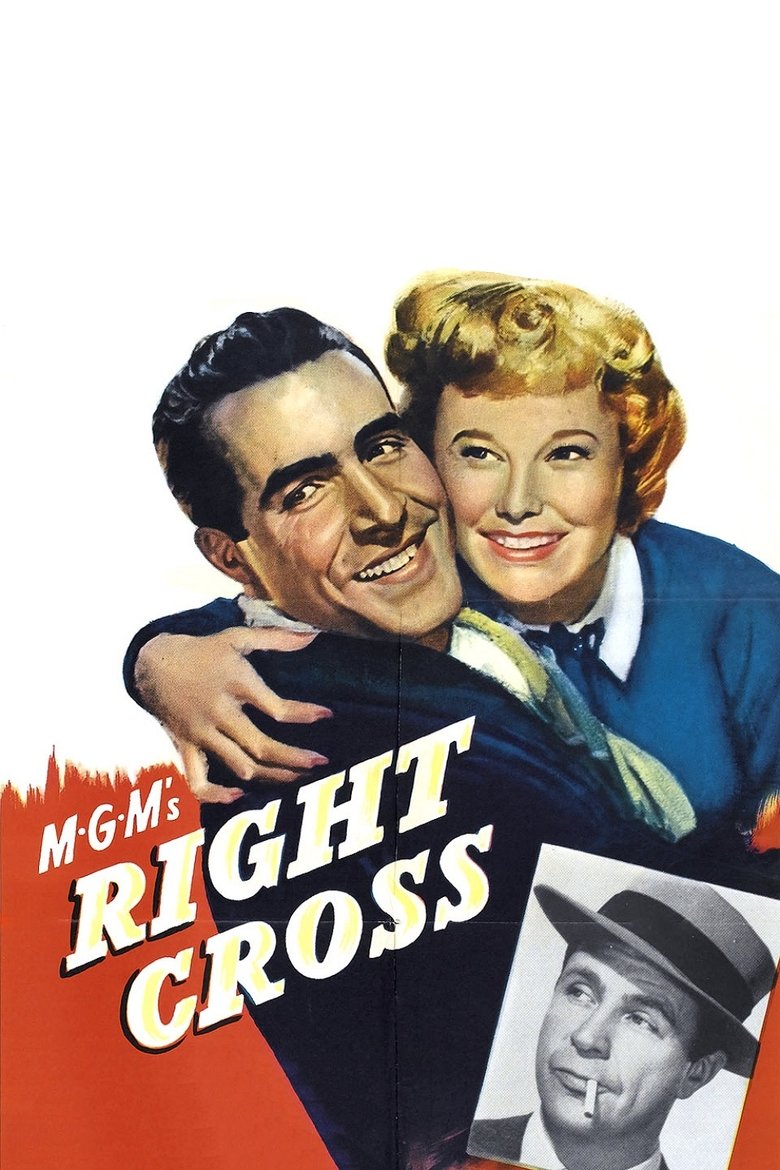
Prizewinning boxer Johnny Monterez is mad at the world, feeling persecuted because of his Mexican heritage. Worse yet, his right hand is damaged from years of fighting. Then Johnny falls in love with Pat O'Malley, his manager's pretty daughter, even though his best friend, Rick Gavery, is already besotted with her. Everything is on the line when Johnny, against Rick's wishes, agrees to a match with a fearsome opponent.
Overall Score
Limited
Category Breakdown
LGBTQ+ Representation
The film lacks any evidence of non-heteronormative identities. The central romantic triangle follows a conventional structure typical of 1950s cinema.
Gender Representation
A woman is central to the plot but is framed primarily through her relationships with two men. This suggests her role may serve as a catalyst for male development.
Racial & Ethnic Diversity
The inclusion of a Mexican-American boxer provides a foundation for ethnic representation. However, the character likely operates within the standard tropes of period sports dramas.
Religious & Cultural Diversity
The narrative appears to reinforce 1950s social norms and professional hierarchies. There is no indication of revisionist or anti-establishment themes.
Disability Representation
There is no information available regarding the depiction of physical or neurodivergent characters.
Strengths
Areas for Improvement
AI Analysis
Right Cross operates within the traditional narrative frameworks of mid-century Hollywood. While it introduces ethnic diversity through its protagonist, the film's structure remains rooted in the social hierarchies of its era. The romantic triangle and professional settings suggest a focus on conventional storytelling. The film lacks subversion, instead leaning into the established dramatic tropes of the 1950s. Ultimately, the representation of minority and female characters appears limited by the period's tendency to frame them through the lens of male-driven conflict and traditional social roles.
1959

1956
1938
2016
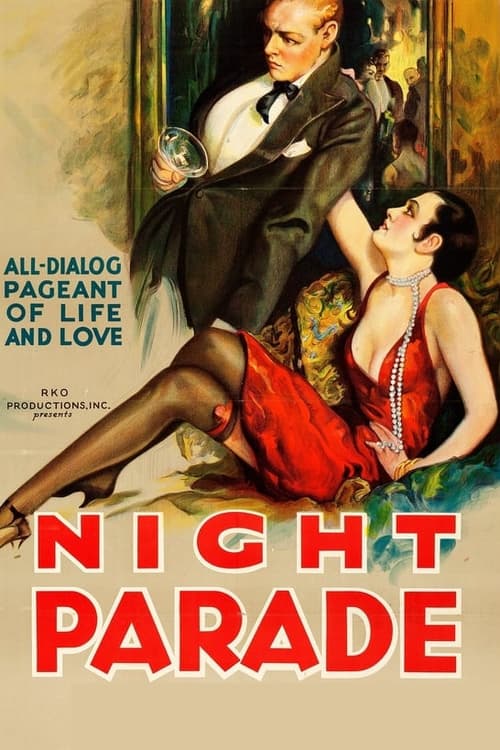
1929
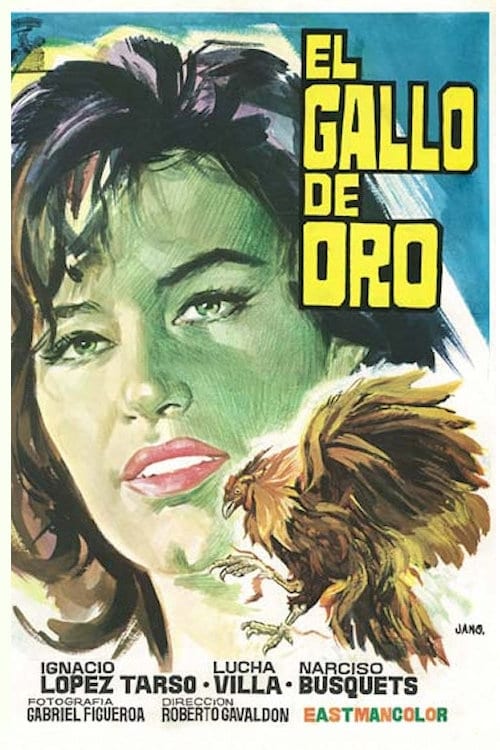
1964
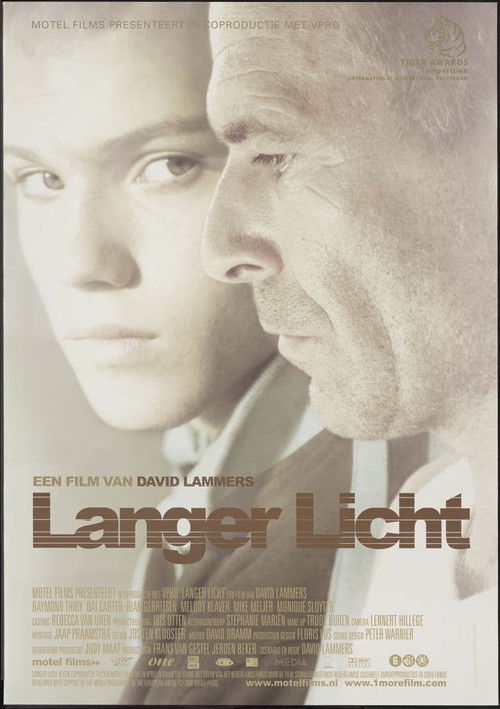
2006
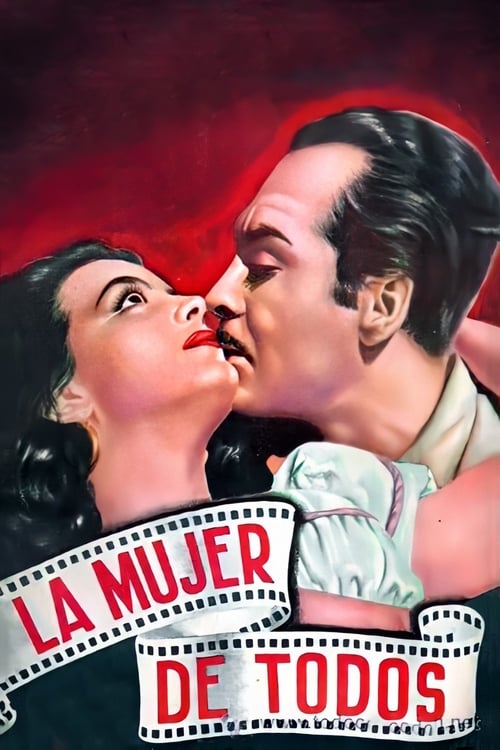
1946
1932
1949
1955
1952
No reviews yet. Be the first to share your thoughts on this movie!
Use the rating form above to leave a star rating and optional review.