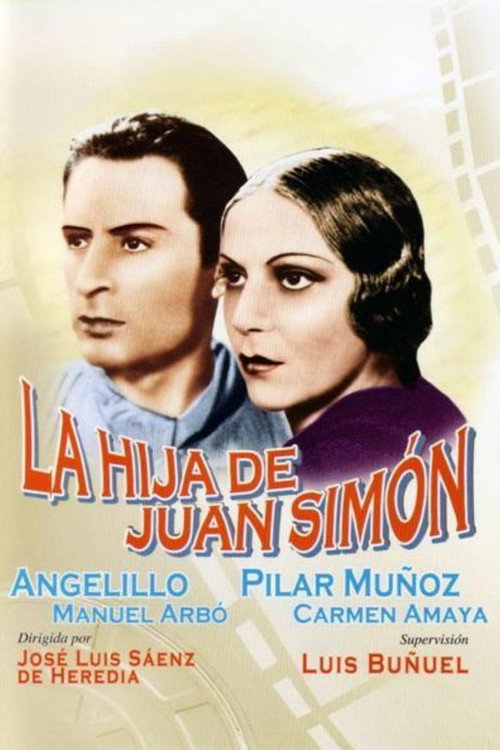
The Daughter of Juan Simón
1935
No user ratings available yet
Representation score: 1.0 out of 10
Representation Score
Minimal
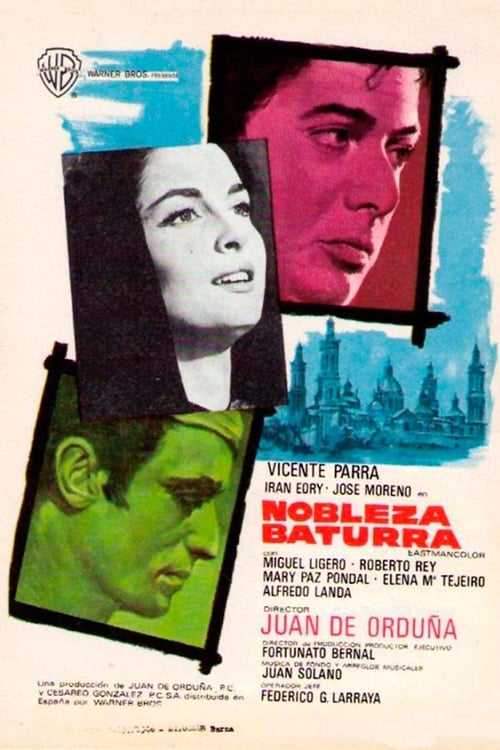
1965
Director
Juan de Orduña
Runtime
98 minutes
Average Rating
No ratings yetNew Showbiz Analysis
Rustic Chivalry is a traditional drama that reinforces established social hierarchies. The plot centers on conflicts between class status and romantic desire, ultimately upholding conventional social orders through its depiction of patriarchal authority and revenge. The film lacks meaningful diversity, focusing instead on a homogeneous regional Spanish setting and relying on mid-century clichés that prioritize traditionalist values over varied identities or systemic critiques. While the female protagonist exercises personal choice, the surrounding narrative penalizes her autonomy.
Category Breakdown
The film focuses on heterosexual relationships and does not include any queer narratives or characters with non-binary gender identities.
The female lead takes control by rejecting an arranged marriage, but the plot is driven by patriarchal control and male retribution following her refusal of a suitor.
The period drama focuses on a specific regional Spanish context and does not include diverse ethnic representation.
The narrative is rooted in class distinctions and traditional social structures, emphasizing honor and revenge within conservative moral frameworks.
There are no characters with visible or invisible disabilities mentioned in the story.
Present on Screen
Limited or Absent
Official Synopsis
Maria del Pilar is in love with Sebastian, a servant of his house. But her father wants her to marry Marcos a rich landowner. The girl refuses Marcos and he decides to take revenge.
1935
2002

1954
1951
1980
1957

1949
1941
No reviews yet. Be the first to share your thoughts on this movie!
Use the rating form above to leave a star rating and optional review.