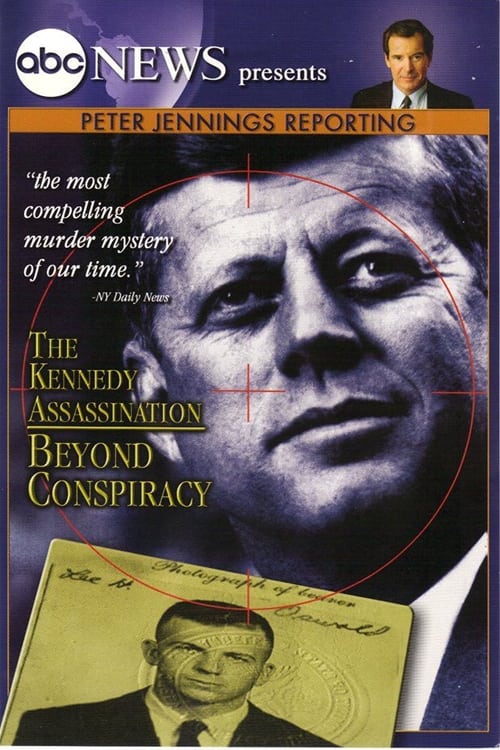
Peter Jennings Reporting: The Kennedy Assassination - Beyond Conspiracy
2003
No user ratings available yet
Representation score: 1.9 out of 10
Representation Score
Minimal
2009
TV-14Director
Tom Jennings
Runtime
90 minutes
Average Rating
No ratings yetNew Showbiz Analysis
The film serves as a chronological reconstruction of the JFK assassination using primary archival sources from 1963. Because it relies on the media of that era, the representation is bound by the social and demographic realities of that time. Rather than engaging in intentional character-driven storytelling, the documentary captures the immediate civic reaction to a national tragedy through existing radio and television reports. Consequently, the work offers a traditional historical perspective, lacking the progressive reimagining of identity or the subversion of power dynamics found in more contemporary, character-focused documentaries.
Category Breakdown
This documentary focuses on historical news and radio reports from 1963 and does not include any LGBTQ+ characters or narratives.
The film captures the reactions of Dallas citizens through archival footage, reflecting the traditional gender roles of the 1960s without challenging them.
The footage relies on local reports from the early 1960s, likely reflecting the racial homogeneity and systemic structures of that time period.
The narrative documents a moment of national trauma without critiquing institutions. It prioritizes historical documentation over the deconstruction of traditional values.
There is no evidence of neurodivergence, physical disabilities, or mental health conditions being central themes. The archival material does not specifically represent these identities.
Present on Screen
Limited or Absent
Official Synopsis
President John F. Kennedy's 1963 assassination in Dallas has sparked decades of questions and controversy. The "lost" JFK recordings made available for this documentary -- including local TV and radio reports -- shed new light on the tragedy. The rarely seen material has been organized to capture the drama as it unfolded, including the shocked reactions of Dallas citizens, many of whom were caught up directly in the sweep of events.
2003

2002

2015
2013

2012
2012
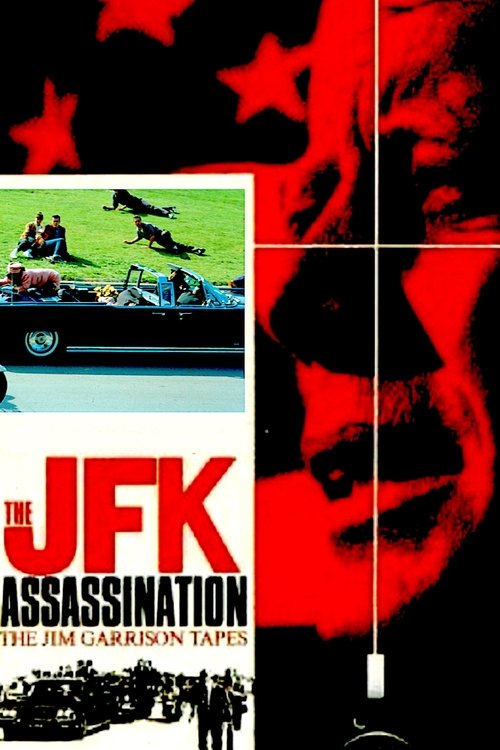
1992

2015
No reviews yet. Be the first to share your thoughts on this movie!
Use the rating form above to leave a star rating and optional review.