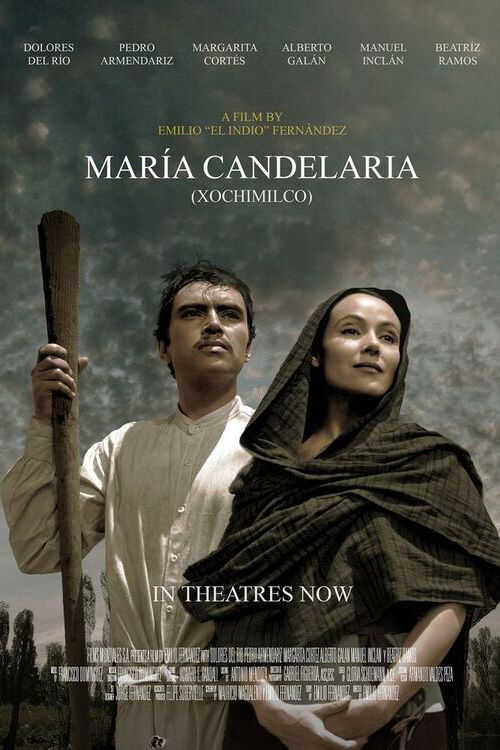
Maria Candelaria
1944
No user ratings available yet
Representation score: 2.7 out of 10
Representation Score
Limited
1945
Director
Emilio Fernández
Runtime
103 minutes
Average Rating
No ratings yetNew Showbiz Analysis
Emilio Fernández’s work provides a vital counter-narrative to the Eurocentric cinematic trends of the 1940s. By focusing on the Indigenismo movement, the film elevates the dignity of Mexican rural peasantry and mestizo identities. The narrative disrupts traditional hierarchies by placing survival and empowerment in the hands of a woman abandoned by her fiancé. However, the film remains tied to the melodramatic traditions of the era, often depicting female strength through the lens of suffering. Ultimately, the film serves as a historical document validating underrepresented domestic demographics. It replaces Hollywood homogeneity with a grounded, culturally specific exploration of social and economic strife.
Category Breakdown
The film centers on traditional romantic and family struggles within the social norms of 1940s Mexico. It does not explore non-binary gender identities or LGBTQ+ narratives.
A female protagonist faces infidelity and social abandonment. She demonstrates strength through survival but the narrative often leans into melodramatic clichés of the sacrificial mother.
The film highlights indigenous and mestizo identities through the Indigenismo movement. It emphasizes the dignity of rural Mexican populations over Eurocentric views.
The story examines socioeconomic exploitation and the struggles of the rural poor. It offers a nuanced look at power dynamics and systemic issues in early 20th-century Mexico.
There is no documented evidence regarding the portrayal of physical or neurodivergent disabilities in this work.
Present on Screen
Limited or Absent
Official Synopsis
A young woman, abandoned by her womanizing fiancé, is forced to provide for the upbringing of her son and combat the difficulties of being an unmarried mother during the strife of early 20-century Mexico.
1944
1920
1945

1920
1954

1953
1949

1929
No reviews yet. Be the first to share your thoughts on this movie!
Use the rating form above to leave a star rating and optional review.