Dog
2015
No user ratings available yet
Representation score: 6.4 out of 10
Representation Score
Good
2014
Director
Uğur Yücel
Runtime
105 minutes
Average Rating
No ratings yetNew Showbiz Analysis
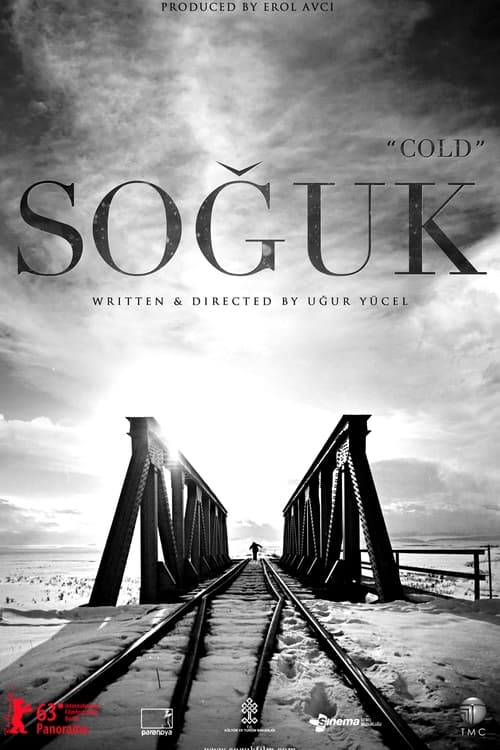
Cold is a social drama that avoids presenting a uniform perspective on Turkish provincial life. By introducing Russian characters into the Kars setting, the film explores transnational identities and the tensions of cross-cultural relationships. Despite this, the film maintains traditional social hierarchies. While it offers depth to underrepresented female characters, the overarching power dynamics remain dominated by patriarchal structures and a lack of queer representation. Overall, the film excels as a study of socioeconomic struggles and ethnic blending, though it does not delve deeply into specific identity politics.
Category Breakdown
The film does not include explicit LGBTQ+ characters or explore non-heterosexual identities. The main romantic relationship is between the elder brother and Irina, following a traditional heterosexual storyline.
Female characters are portrayed as complex individuals navigating patriarchal structures and male-dominated social hierarchies. They have emotional depth but face significant challenges due to societal constraints.
The film breaks domestic stereotypes by highlighting a transnational connection. Featuring Russian sisters in a Turkish city, it explores the complexities of migration and cultural blending.
The film critiques socioeconomic structures through social realism, avoiding idealized depictions of stability. Instead, it focuses on the tension between personal desires and economic hardships.
Psychological instability and alienation are depicted as symptoms of social isolation. The film does not explicitly represent neurodivergent identities or conditions.
Present on Screen
Limited or Absent
Official Synopsis
Three Russian sisters work in a tavern in Kars, a city in the east of Turkiye. Two brothers who live in the same city go to that tavern. Elder of the brothers who is married works as a railway worker; controls rails and allows/stoppes trains to pass. The younger brother is an aggressive man who often causes trouble, he marries a local girl, but he doesnt give up night life. The elder brother falls in love with the youngest of the Russian sisters (Irina) and this situation changes their lives. Focusing on the problems of Turkish uneducated men and hard lives of prostitutes, the film takes its name from the freezing cold of Kars as "Soguk" means "cold" in Turkish.
2015

2013

1985

1956

2009

1994

2001
2019
No reviews yet. Be the first to share your thoughts on this movie!
Use the rating form above to leave a star rating and optional review.