
Number 14
1985
No user ratings available yet
Representation score: 4.6 out of 10
Representation Score
Fair
1994
Director
Atıf Yılmaz
Runtime
97 minutes
Average Rating
No ratings yetNew Showbiz Analysis
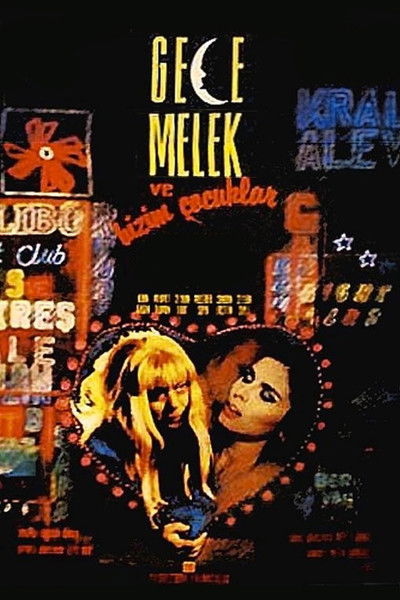
Atıf Yılmaz uses social realism to create a character-driven drama that emphasizes female autonomy. The film successfully challenges traditional gender roles by placing a woman's struggle in a predatory urban environment at its center. However, the narrative remains limited in its scope of identity. It lacks representation of LGBTQ+ characters and does not address disability, focusing instead on the socioeconomic struggles of a specific urban demographic. Ultimately, the film provides a meaningful exploration of systemic challenges and identity through the lens of a woman fighting for ability to act in the outskirts of society.
Category Breakdown
The story focuses on the heterosexual relationship between Serap and Hakan. There are no explicit depictions of same-sex relationships or non-binary gender identities.
Serap is shown taking an active role in driving the story rather than being a passive character. The film highlights a woman's journey through complex socioeconomic issues in Beyoğlu.
The film reflects the diverse population of Istanbul. It focuses on the lives of underrepresented communities within specific Turkish social contexts.
The narrative uses social realism to challenge traditional institutions. It explores moral complexity by focusing on characters living outside conventional social norms.
There is no depiction of physical or neurodivergent disabilities. No specific characters are identified as having disabilities.
Present on Screen
Limited or Absent
Official Synopsis
Serap, who has been living in the darkest streets of Beyoglu, is a charming woman in her 20s. A beautiful woman's way of prostitution and prostitution living in the back streets of Beyoglu as a person intersects with him when a magical love begins. Hakan tries to take the pimp of Serap as a madman. The man who doesn't have the job can't do it. One day when Serap finds his lover Hakan in a scene he never thought possible, his whole life is deeply shaken. Serap will now be in a different life, running for different purposes.
1985
1961

1986

1962

2003

2014

2014

1984
No reviews yet. Be the first to share your thoughts on this movie!
Use the rating form above to leave a star rating and optional review.