
Uuno Turhapuro menettää muistinsa
1982
No user ratings available yet
Representation score: 3.3 out of 10
Representation Score
Fair
1983
Director
Ere Kokkonen
Runtime
91 minutes
Average Rating
No ratings yetNew Showbiz Analysis
The film challenges traditional masculine roles and the sanctity of industrious citizenship by portraying Uuno's laziness as a form of comedic rebellion. However, these disruptions are often superficial. The film relies heavily on clichés, using identity shifts and cognitive impairments as tools for situational humor rather than providing substantive representation of LGBTQ+ or disabled lived experiences. Ultimately, the work remains culturally narrow, lacking racial diversity and depth in identity-based narratives.
Category Breakdown
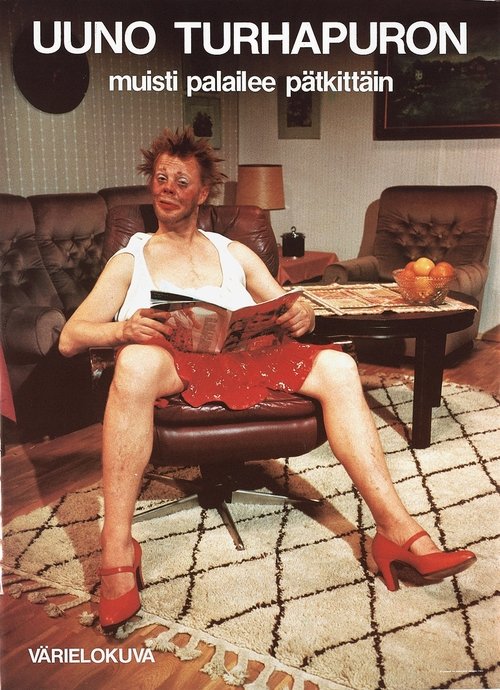
The film uses Uuno's mistaken belief that he is a woman due to amnesia as a comedic element. However, this situation is treated as a joke rather than a meaningful exploration of queer identity.
The narrative challenges traditional masculine productivity by depicting the protagonist as lazy and inept. Elisabeth, on the other hand, plays a significant role in managing the domestic sphere, offering a strong female presence that counters the provider archetype.
Given its Finnish setting, the film operates within a highly homogeneous social context. There is no indication of multicultural casting or diverse character dynamics.
The film critiques traditional work ethics by celebrating the slacker archetype. However, it does not delve deeper into broader cultural critiques of religion or state institutions.
Memory loss serves as the central conflict, but cognitive impairment is used mainly as a plot device for comedic situations. The film does not explore the nuances of neurodivergence but instead uses it to create humorous scenarios.
Present on Screen
Limited or Absent
Official Synopsis
Uuno Turhapuro has lost his memory and thinks he's a woman. His friend Sörsselssön has lost his memory too and Härski Hartikainen tries to help them.
1982

1970
1998

1990
1991

1994
1992

2002
No reviews yet. Be the first to share your thoughts on this movie!
Use the rating form above to leave a star rating and optional review.