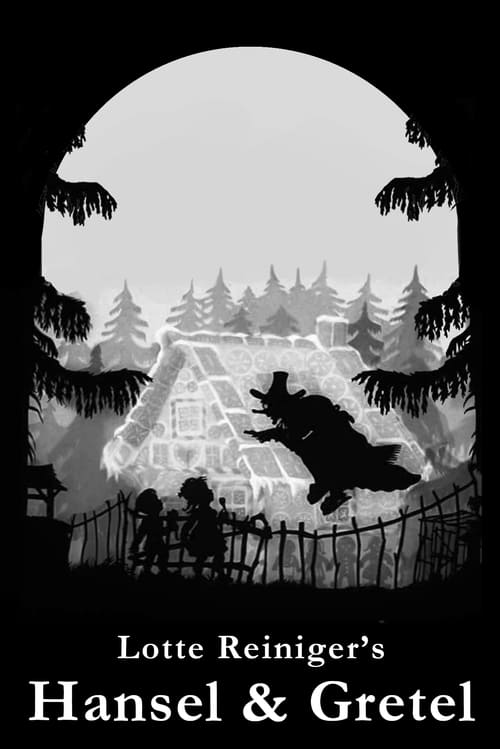
Hansel and Gretel
1954
No user ratings available yet
Representation score: 1.1 out of 10
Representation Score
Minimal
1955
Director
Lotte Reiniger
Runtime
12 minutes
Average Rating
No ratings yetNew Showbiz Analysis
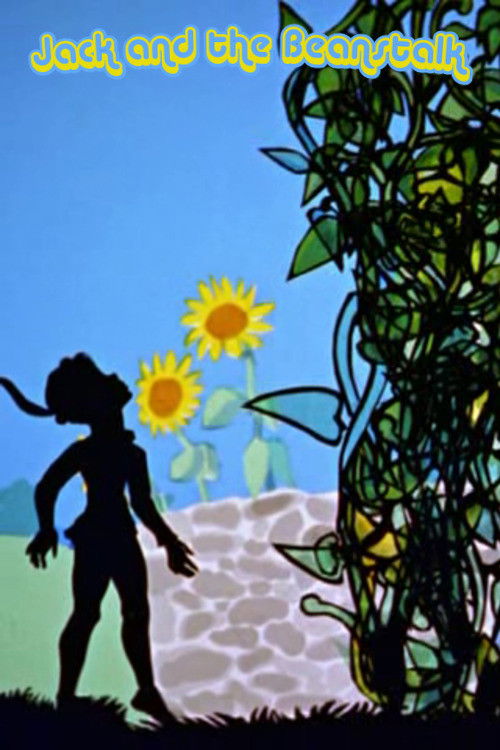
Lotte Reiniger’s 1955 *Jack and the Beanstalk* opens with a stark, high-contrast silhouette of a cottage against a white void, immediately establishing a world defined by binary oppositions: the intricate, safe home versus the blunt, chaotic outside. The film’s argument is visual and moral, not verbal; it sells the idea that domestic stability is the highest good, achieved through cleverness and the rejection of the "other." The Giant is not a character but a force of nature, his massive, jerky movements contrasting with the fluid, delicate grace of the children. This contrast is the film’s central tension: the small, weak, but clever individual can defeat the large, strong, but stupid brute through wit and preparation. The sold meaning is clear: the home is the center of the world, and anything outside it is hostile. Jack is the moral center, his competence rewarded with the gold and the defeat of the Giant. Jill is supportive but less active, her role defined by her proximity to Jack and the cottage. The parents are silent, featureless silhouettes who provide the setting but no agency, reinforcing the idea that the children are the true protagonists of the domestic order. The film’s internal logic is consistent: the Giant’s size is his weakness, his inability to fit through the door is his downfall, and the children’s cleverness is their strength. The ending is the moral verdict: Jack and Jill are safe in their cottage, the Giant is defeated, and the domestic order is restored. The last image is a static silhouette of the cottage, mirroring the opening, but the interior is now warm and lit, contrasting the cold exterior. This final frame affirms the film’s thesis: the home is safe, the outside is dangerous, and cleverness beats strength. The film is a masterpiece of visual storytelling, its lack of dialogue making it universal, but its moral arithmetic is traditional and unambiguous. The camera loves the intricate details of the cottage and the children’s clothing, treating the Giant as a force of nature to be defeated, not a character to be understood. The film’s argument is thin but consistent, a lesson in domestic safety and the danger of the unknown, printed in silhouette.
Category Breakdown
The narrative focuses exclusively on familial bonds between the children and their parents. No romantic, sexual, or same-sex dynamics are depicted or implied within the silhouette cast.
Jack is the active agent who climbs, fights, and secures the reward, while Jill remains a passive companion who follows and reacts. The visual language reinforces a binary where male competence drives the plot and female presence supports the domestic status quo.
The characters are featureless black silhouettes against a white background, stripping away specific ethnic or racial coding. The distinction is purely physical scale and geometry, with no visual markers for race or ethnicity.
The cottage is framed as the moral center and safe haven, while the Giant’s castle represents a hostile, chaotic "other." The narrative rewards the protection of the domestic unit and the rejection of external threats, treating family stability as the ultimate good.
The characters’ bodies are defined by size and agility, but no specific impairments, disabilities, or neurodivergent traits are depicted. The Giant’s clumsiness is a narrative trait, not a representation of disability.
Present on Screen
Limited or Absent
1954
1926
1955

1973
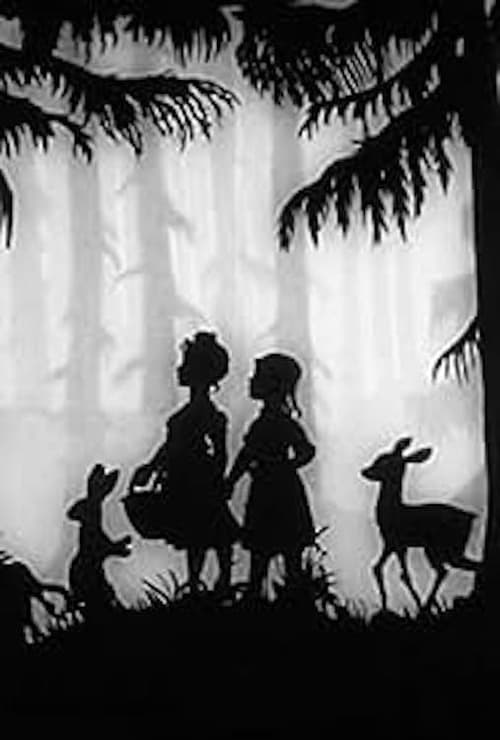
1954
1944
1954
1954
No reviews yet. Be the first to share your thoughts on this movie!
Use the rating form above to leave a star rating and optional review.