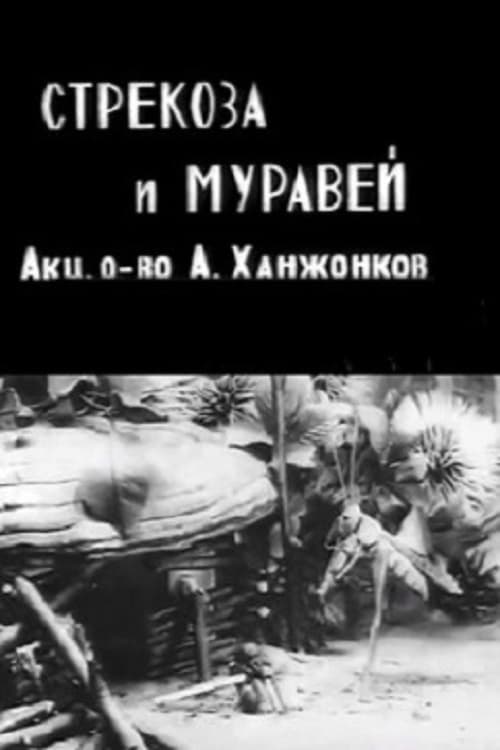
The Grasshopper and the Ant
1913
No user ratings available yet
Representation score: 0.1 out of 10
Representation Score
Minimal
1922
Director
Władysław Starewicz
Runtime
9 minutes
Average Rating
No ratings yetNew Showbiz Analysis
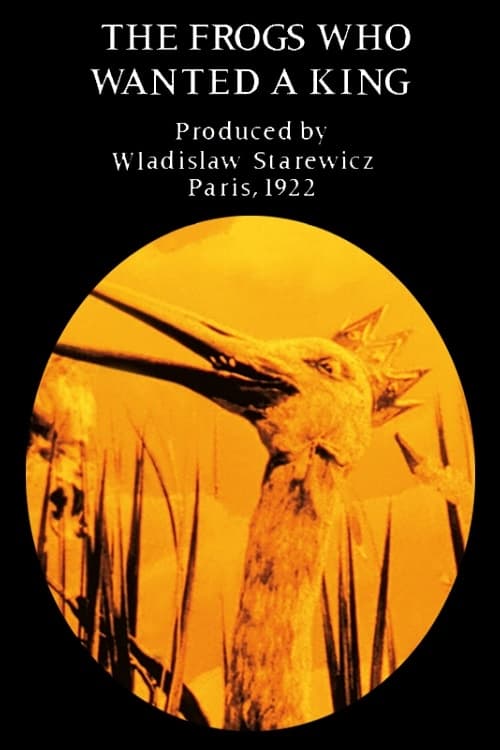
Władysław Starewicz’s stop-motion film operates as a sophisticated political allegory rather than a tool for social representation. Using the Aesopian tradition, the film explores the consequences of social upheaval and the dangers of tyranny. Although the narrative sharply critiques centralized power and monarchy, it falls short of modern multi-layered standards. The characters represent political concepts rather than diverse human identities. Ultimately, the film prioritizes classical moral lessons over the deconstruction of social hierarchies or the portrayal of diverse lived experiences.
Category Breakdown
The film features a group of anthropomorphic amphibians in a classic fable format. There is no indication of non-straight or non-cisgender identities or same-sex relationships.
The story focuses on a collective group, which hides individual gender dynamics. The plot emphasizes the foolishness of political will rather than gender leadership.
Since the film uses non-human species in an animated fable, it does not address human racial or ethnic identities. The characters are biologically uniform.
The story criticizes traditional governance and the pursuit of absolute power. It serves as a warning about the dangers of autocratic systems.
There are no visible or hidden disabilities shown. The frogs act as a single political unit rather than individuals with various needs.
Present on Screen
Limited or Absent
Official Synopsis
The frogs have a democracy, but they beseech Jupiter to send them a king. Jupiter can hardly believe this amphibian foolishness, so he sends them a tree as king. The frogs make obeisance to their new monarch, but they are dissatisfied and petition Jupiter again.
1913
1980
1913

1923

1933
1955
1944

2019
No reviews yet. Be the first to share your thoughts on this movie!
Use the rating form above to leave a star rating and optional review.