The Learning Tree
1969
No user ratings available yet
Representation score: 3.9 out of 10
Representation Score
Limited
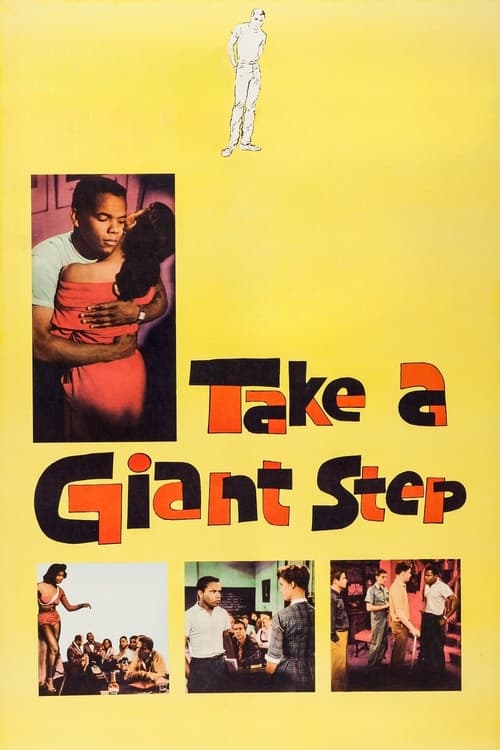
1959
ApprovedDirector
Philip Leacock
Runtime
100 minutes
Average Rating
No ratings yetNew Showbiz Analysis
Take a Giant Step is a mid-century drama that highlights the perspective of a Black adolescent. By setting Spence Scott in a predominantly white environment, the film examines the intricacies of racial identity and social stratification. However, the film adheres to the traditional norms of the time, with gender roles remaining conventional and lacking LGBTQ+ or disability representation. Ultimately, the film's strength lies in its exploration of racial issues, despite its adherence to the patriarchal and Western social structures of 1959.
Category Breakdown
The film does not include any LGBTQ+ characters or themes. It focuses on adolescent development and racial social navigation.
Female characters such as Christine the housekeeper mainly serve as emotional mirrors for the main character. The film upholds traditional mid-century patriarchal structures.
The story centers around an African-American protagonist navigating a predominantly white, upper-class environment. It delves into the challenges of being an outsider and the racial hierarchy.
The narrative unfolds within a typical Western middle-class context, focusing on individual struggles within the existing social order without critiquing systemic issues.
There is no depiction of physical, sensory, or neurodivergent disabilities among the characters.
Present on Screen
Limited or Absent
Official Synopsis
After African-American teenager Spence Scott gets expelled from his private school for arguing with a teacher, he turns to his grandmother for advice. Spence, who lives in a genteel white area and has mostly white friends, feels like an outsider. He visits a bar in a black neighborhood, where he meets a few prostitutes, which doesn't help. Eventually, Spence starts a friendship with the housekeeper, Christine, who tells him her own difficult story.
1969
1965
1949

1961
1970
1960

1981

1920
No reviews yet. Be the first to share your thoughts on this movie!
Use the rating form above to leave a star rating and optional review.