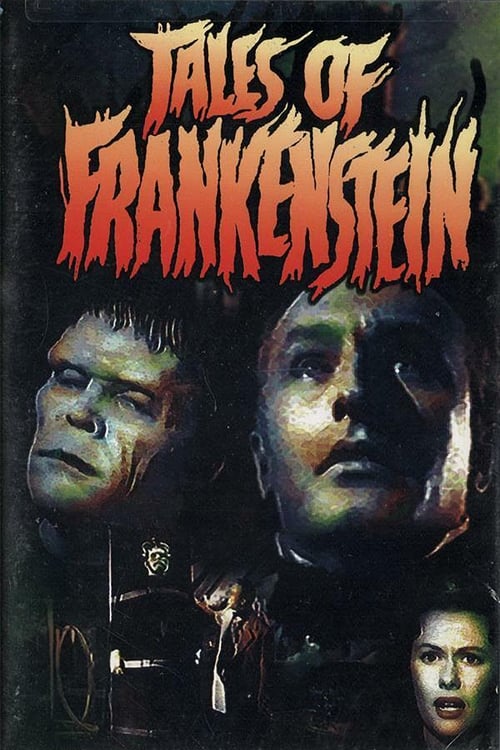
Tales of Frankenstein
1958
No user ratings available yet
Diversity score: 1.9 out of 10
No Poster Available
1916
Director
Otto Rippert
Runtime
69 minutes
Average Rating
No ratings yetSynopsis
Part of the artificial-creature series encompassing Der Golem (1914 and 1920), Alraune (1918, 1928, 1930) and Metropolis (1926), 'Homunculus' was the most popular serial in Germany during World War I even influencing the dress of fashionable Berlin. Foenss, a Danish star, is the perfect creature manufactured in a laboratory by Kuehne. Having discovered his origins, that he has no 'soul' and is incapable of love, he revenges himself on mankind, instigating revolutions and becoming a monstrous but beautiful tyrant, relentlessly pursued by his creator-father who seeks to rectify his mistake.
Overall Score
Fair
Category Breakdown
LGBTQ+ Representation
The protagonist exists as a non-normative being defined by his lack of a soul. While explicit same-sex intimacy is absent, his inability to participate in traditional romantic structures challenges heteronormative personhood.
Gender Representation
The narrative disrupts patriarchal stability through a failed creator-creation dynamic. While the plot is driven by masculine-coded scientific and political struggles, the central father figure represents systemic error rather than benevolent leadership.
Racial & Ethnic Diversity
The film focuses on a homogeneous European social landscape. There is no evidence of non-white casting or the use of non-human species as metaphors for ethnic diversity.
Religious & Cultural Diversity
The film prioritizes a secular, scientific lens over religious dogma. By framing the protagonist as a beautiful tyrant, the story critiques traditional institutions and conventional social order.
Disability Representation
The artificial protagonist serves as a metaphor for profound ontological difference. He possesses a cognitive framework fundamentally different from humans, granting him significant agency rather than portraying him as a passive subject.
Strengths
Areas for Improvement
AI Analysis
Otto Rippert’s work serves as a foundational pillar of German Expressionism, focusing on the intersection of science and existential crisis. The film excels at deconstructing traditional hierarchies by presenting a protagonist who exists outside standard biological and social binaries. However, the film remains limited by its narrow focus on a homogeneous European landscape. The lack of racial or ethnic diversity keeps the narrative centered strictly on Western philosophical anxieties. Ultimately, the film's strength lies in its sophisticated treatment of identity. It uses the artificial man to challenge established systemic power and the concept of the soul.
No reviews yet. Be the first to share your thoughts on this movie!
Use the rating form above to leave a star rating and optional review.