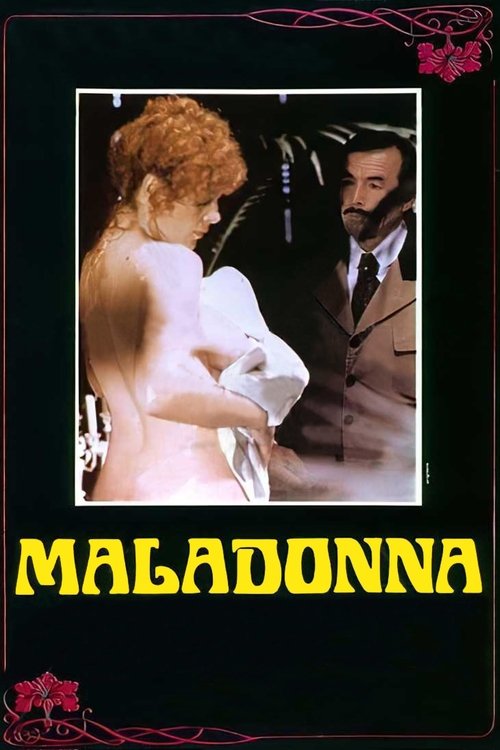
Maladonna
1984
No user ratings available yet
Representation score: 2.8 out of 10
Representation Score
Fair
2015
Director
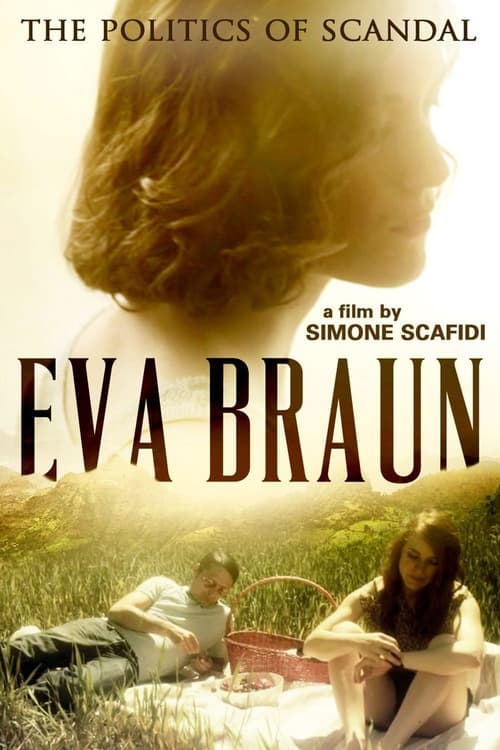
Simone Scafidi
Runtime
85 minutes
Average Rating
No ratings yetNew Showbiz Analysis
Eva Braun serves as a psychological study of life within a totalitarian framework. It prioritizes the deconstruction of moral relativism and the corruption of power over broad demographic representation. The film's historical setting limits LGBTQ+ and racial diversity, focusing instead on heterosexual dynamics within a patriarchal structure. However, the film achieves moderate success through its cultural critique. It effectively uses the private lives of the elite to examine the psychological impact of systemic atrocities and moral decay.
Category Breakdown
The film centers on heterosexual relationships and domestic life. Sexual dynamics are used to explore power and corruption rather than offering a platform for LGBTQ+ identities or non-traditional narratives.
Eva Braun is shown navigating the edges of power within a patriarchal system. While it highlights the psychological fragmentation of women in private spaces, femininity is still linked to domestic roles.
The cast is purposefully uniform to reflect the historical context of the Third Reich. The film does not employ diverse character types to challenge the era's racial biases.
The narrative excels at dismantling traditional morality and criticizing corrupt power structures. It portrays the elite as motivated by greed and distorted instincts rather than upholding institutional stability.
There is no significant focus on visible or invisible disabilities. The narrative's emphasis on political and psychological tension leaves little room for exploring neurodivergence or physical disabilities.
Present on Screen
Limited or Absent
Official Synopsis
Eva Braun takes inspiration from the actual sex scandals in the Italian Parliament and the 120 Days of Sodoma by Marquis De Sade. This mix create a grotesque journey through power, sex and will of people who does everything to be successful. Pier is a powerful and important Mogul who keeps the power in his country. Elegant, ironical and well educated, he has a bizarre sexual instinct which is satisfied by her mistress, Romy, who collect people, men and women (musicians, directors, writers and businessmen) which agree to satisfy his weird fantasies for getting his help to the way to success. Like a Decameron, a group of people in a house meet their pride and greed for power and sex.
1984
1991
1988
1976
1967
2015
1975
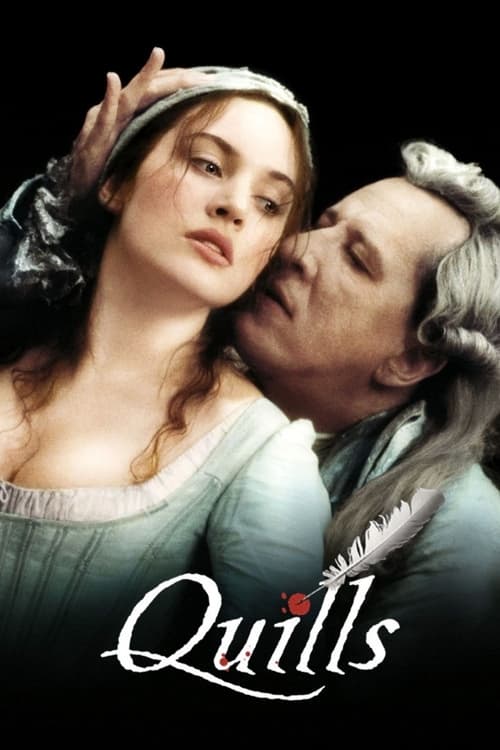
2000
No reviews yet. Be the first to share your thoughts on this movie!
Use the rating form above to leave a star rating and optional review.