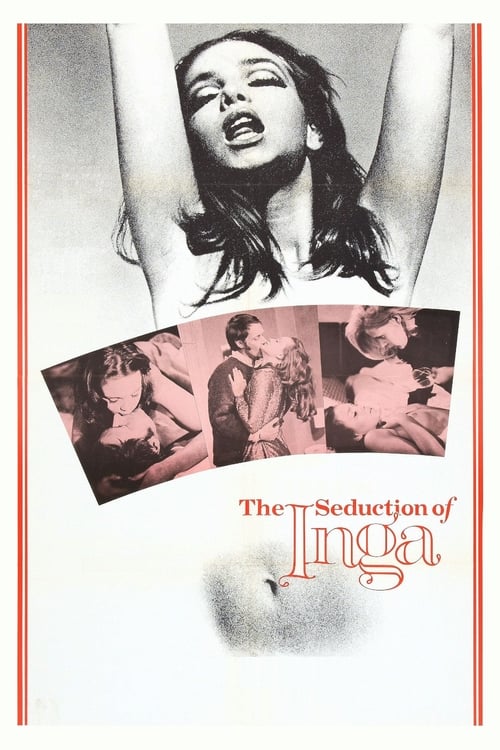
The Seduction of Inga
1968
No user ratings available yet
Diversity score: 4.5 out of 10
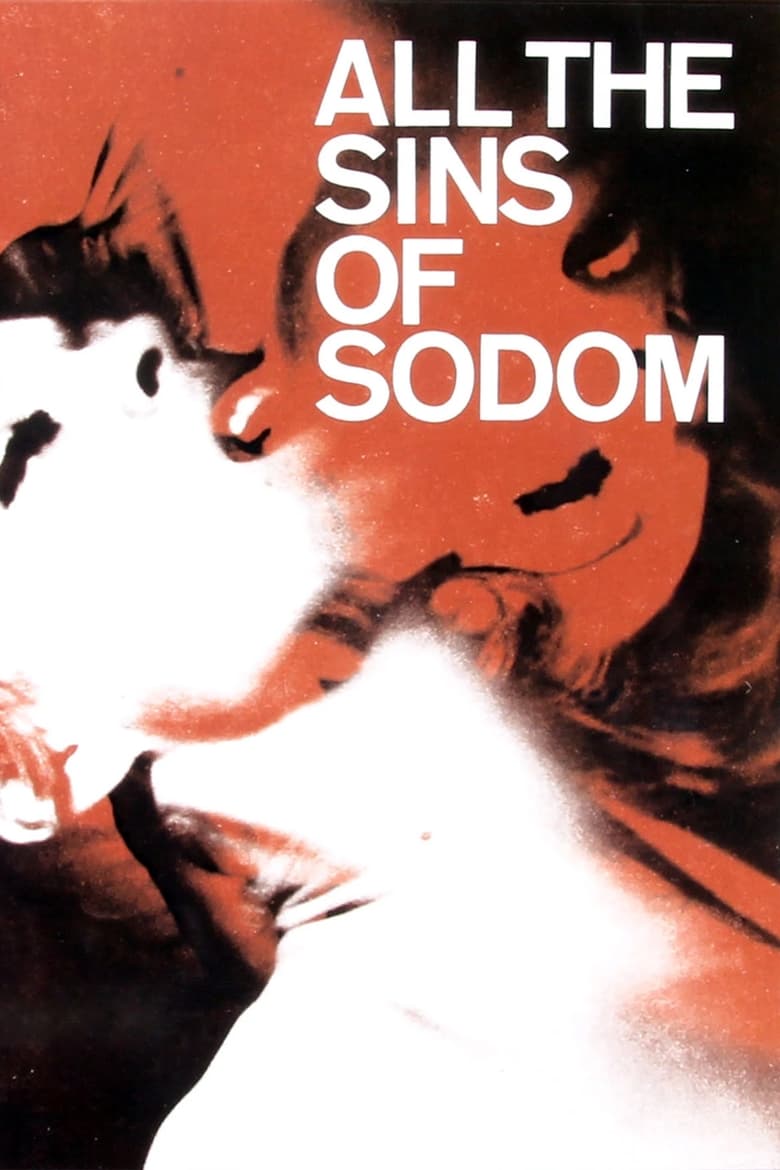
1968
Director
Joseph W. Sarno
Runtime
88 minutes
Average Rating
No ratings yetSynopsis
Henning is a fashion photographer driven by visions of artistic glory. He is encouraged by a literary agent to produce a volume of erotic nudes and works to create the perfect layout with his favorite model, Leslie. All seems to be going well until the mysterious Joyce appears; dark and sensual, Joyce plays games with the photographer's ego, driving a wedge between Henning and Leslie and seducing one of his other models. Blinded by his own ambitions, Henning is unable to see the ruinous web that Joyce is weaving
Overall Score
Fair
Category Breakdown
LGBTQ+ Representation
The film focuses on heterosexual eroticism and romantic rivalry. While the title invokes religious themes often linked to non-normative identities, no queer characters are present.
Gender Representation
Female characters drive the plot through psychological manipulation. Joyce subverts traditional hierarchies by dismantling the male protagonist's ego and professional stability.
Racial & Ethnic Diversity
The production appears to follow the homogeneous casting standards of the late 1960s. There is no evidence of a multicultural or non-Anglo-Saxon cast.
Religious & Cultural Diversity
The narrative replaces strict theological morality with secular psychological themes. It reframes 'sin' through the lens of narcissism and personal ruin rather than religious condemnation.
Disability Representation
There is no mention of characters with visible or invisible disabilities within the narrative.
Strengths
Areas for Improvement
AI Analysis
All the Sins of Sodom functions as a mid-range representation of its era. It lacks significant racial and LGBTQ+ visibility, adhering to the casting and thematic norms of 1960s exploitation cinema. However, the film achieves a progressive edge through its gender dynamics. By granting female characters the agency to destabilize masculine authority, it moves beyond simple eroticism into psychological territory. Ultimately, the film's strength lies in its subversion of traditional moralizing, opting for a subjective exploration of ego and ambition instead of a restorative religious message.
1968
1967
1972
1974
1971

1975
1975
1962

1966

1984
1975
2007
No reviews yet. Be the first to share your thoughts on this movie!
Use the rating form above to leave a star rating and optional review.