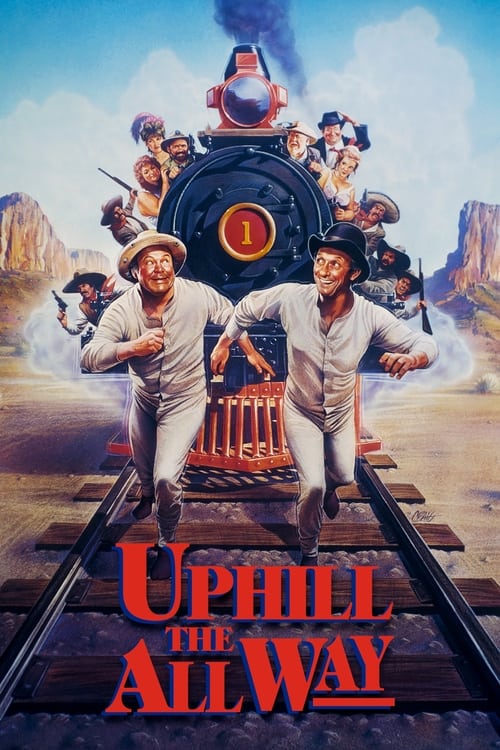
Uphill All the Way
1986
No user ratings available yet
Diversity score: 1.7 out of 10
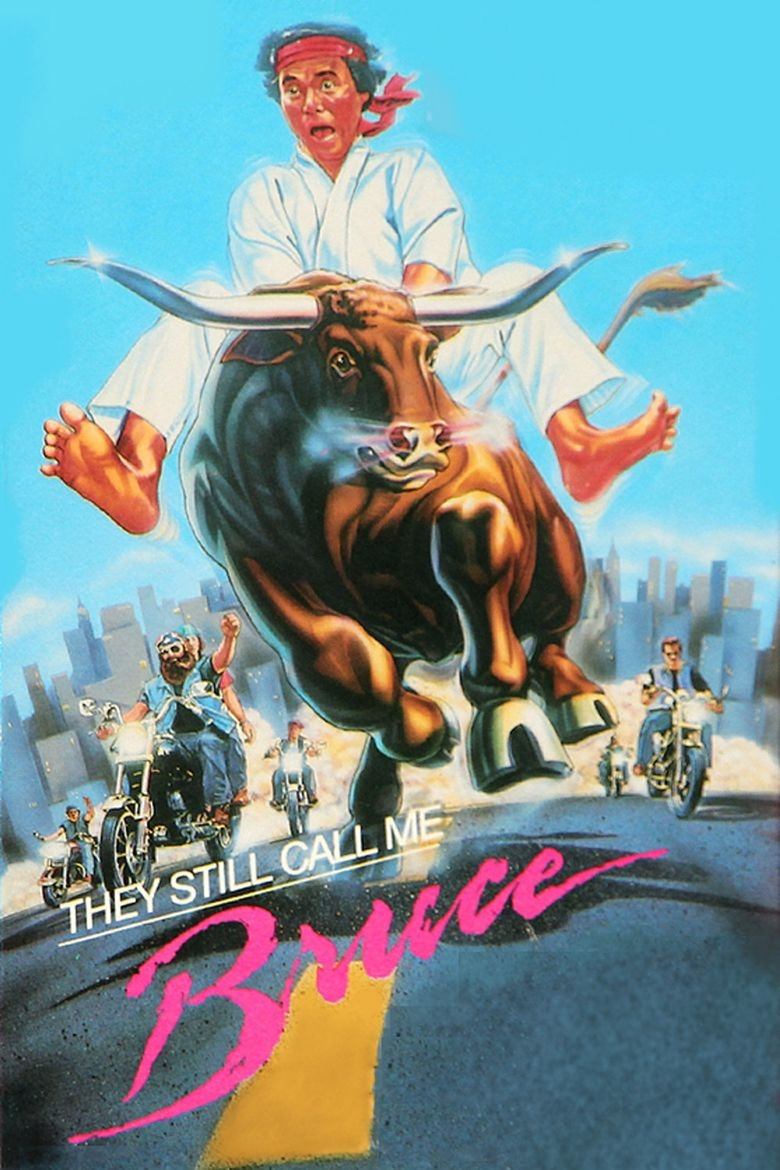
1987
PGDirector
James R. Orr, Johnny Yune
Runtime
91 minutes
Average Rating
No ratings yetSynopsis
Bruce Won arrives in America in search of an American G.I. who saved his life in the Korean War. He meets an orphan boy and together they land themselves in a string of outrageous situations. This high-strung farce culminates when a case of mistaken identity leads a gang of thugs to think Bruce is a karate master. They arrange a nationally-televised match which pits our hero against a monstrous brute, and Bruce is beaten to a bloody pulp...
Overall Score
Minimal
Category Breakdown
LGBTQ+ Representation
The film lacks any discernible LGBTQ+ characters or explorations of non-heteronormative identities. It operates within a traditional, heteronormative comedic framework focused on slapstick.
Gender Representation
The narrative adheres to a narrow, male-centric action paradigm. It largely ignores female agency or complex gender dynamics in favor of physical farce and martial arts tropes.
Racial & Ethnic Diversity
The comedic engine relies heavily on ethnic caricatures. While the protagonist is a person of color, the film utilizes racialized stereotypes of Asian masculinity for comedic effect.
Religious & Cultural Diversity
The film maintains a standard Western comedic structure. It lacks sophisticated deconstruction of power dynamics or engagement with complex moral relativism and systemic critique.
Disability Representation
There are no notable depictions of visible or invisible disabilities. Physical comedy is centered on martial arts tropes rather than representing neurodivergence or physical impairment.
Strengths
Areas for Improvement
AI Analysis
This film functions as a period-specific parody that relies on established cultural stereotypes rather than challenging them. The narrative architecture prioritizes slapstick and the mimicry of martial arts tropes over intersectional depth. The reliance on ethnic caricature and the absence of diverse identities place the work within a traditional comedic framework. It lacks the intentionality required for progressive representation or the subversion of traditional hierarchies. Ultimately, the film serves as a mimicry of existing cinematic tropes rather than a meaningful expansion of ethnic or gendered representation.
1986
1987
1982
1952
1968
1975
1980
1981
1965
1986
2016
1989
No reviews yet. Be the first to share your thoughts on this movie!
Use the rating form above to leave a star rating and optional review.