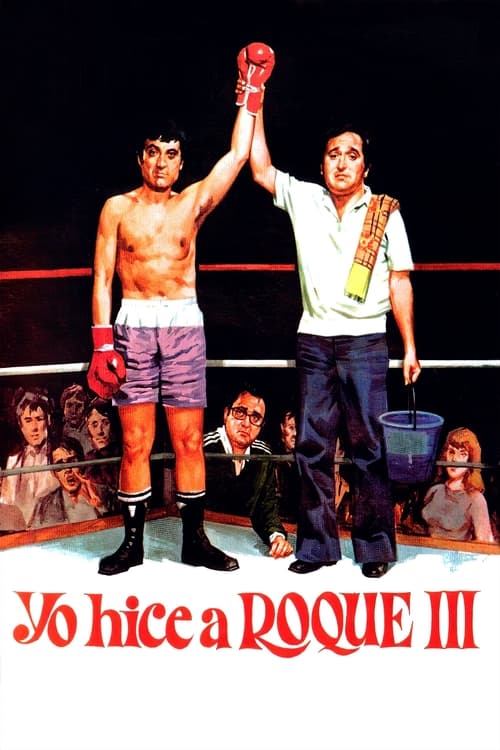
Yo hice a Roque III
1980
No user ratings available yet
Representation score: 1.6 out of 10
Representation Score
Minimal
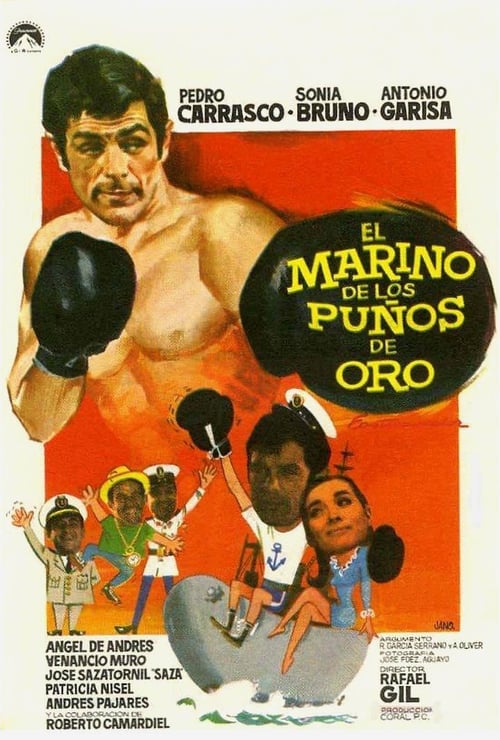
1968
Director
Rafael Gil
Runtime
102 minutes
Average Rating
No ratings yetNew Showbiz Analysis
This mid-century comedy adheres closely to the social hierarchies and conventional archetypes of its time. The narrative prioritizes individual achievement and institutional belonging, offering minimal disruption to prevailing cultural norms. The film relies on traditional gender conflicts and masculine clichés. While the setting spans Spain, Brazil, and Italy, these locations serve as backdrops for a singular national journey rather than opportunities for diverse exploration. Ultimately, the work functions as a standard professional triumph story. It lacks representation for LGBTQ+ identities, diverse racial groups, or characters with disabilities.
Category Breakdown
The film centers on straight-centered romantic and competitive dynamics. There is no evidence of non-assuming gender matches what was assigned at birth identities or critiques of the assumption that everyone is straight or cisgender within the plot.
The film focuses on traditional gender roles, with the female characters' actions driven by romantic interference rather than independent goals. The protagonist’s journey revolves around masculine archetypes such as boxing and military service.
The story follows a Spanish national across various international settings but does not include a diverse cast or blend of different races in social contexts.
The narrative emphasizes institutional stability and national service, following a typical trajectory of personal success without challenging established Western or religious norms.
There are no visible or invisible disabilities represented in the character arcs or plot progression.
Present on Screen
Limited or Absent
Official Synopsis
Pedro Montero, left Spain when he was young, he become famouse in Brazil and Italy as a boxer. When he comes back to Spain , he enters the body of Marines and continues with his career. On the eve of winning the European Championship, the guardians of his rival send him a dangerous woman, an old friend who he had in Rome, to hinder his physical preparation.
1980
1978
1948
1955
1958

1964
1940
1962
No reviews yet. Be the first to share your thoughts on this movie!
Use the rating form above to leave a star rating and optional review.