
Stir Crazy
1980
No user ratings available yet
Representation score: 3.1 out of 10
Representation Score
Minimal
1986
PGDirector
Frank Q. Dobbs
Runtime
86 minutes
Average Rating
No ratings yetNew Showbiz Analysis
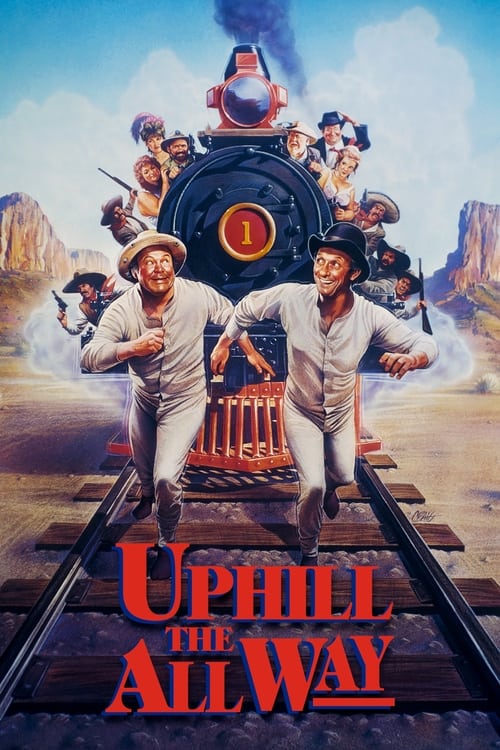
Uphill All the Way is a classic genre piece that emphasizes slapstick and situational irony over exploring diverse identities. The film reinforces established social hierarchies and cultural norms of the early 20th-century American West. The narrative strictly follows traditional Western clichés, focusing on the comedic misadventures of two bumbling protagonists.
Category Breakdown
The film follows a typical comedic structure set in 1916. There are no depictions of non-binary gender identities or same-sex relationships.
Male characters, particularly Ben and Booger, drive the main storyline. Women appear in traditional roles such as saloon workers but do not challenge existing gender norms.
The cast and setting depict a uniform American West. The narrative centers on 'good ol' boys,' maintaining a traditional, white-centric view of the time.
The plot revolves around classic Western themes of law and order. It upholds traditional Western values without questioning them.
There are no characters with visible or invisible disabilities. The humor comes from incompetence rather than neurodivergence or physical disabilities.
Present on Screen
Limited or Absent
Official Synopsis
Two unemployed good ol' boys are mistaken for a pair of notorious bank robbers.
1980
1983
1975
1977
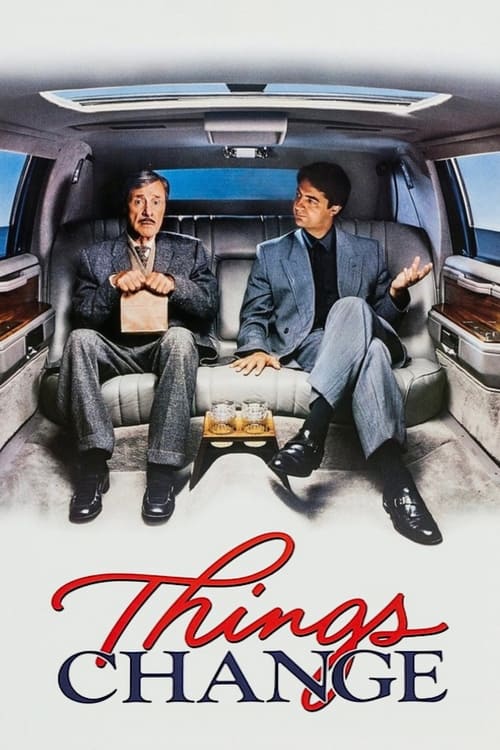
1988
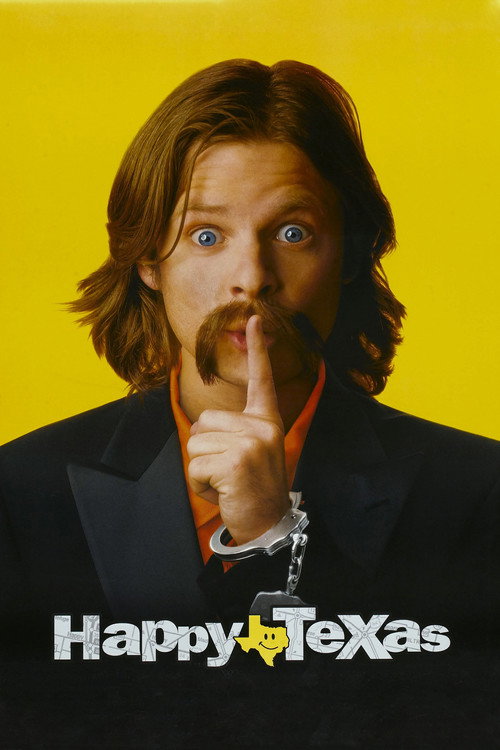
1999
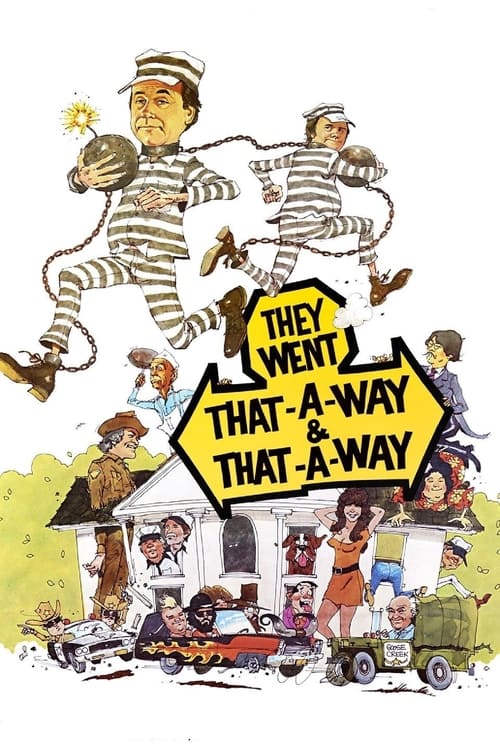
1978

1986
No reviews yet. Be the first to share your thoughts on this movie!
Use the rating form above to leave a star rating and optional review.