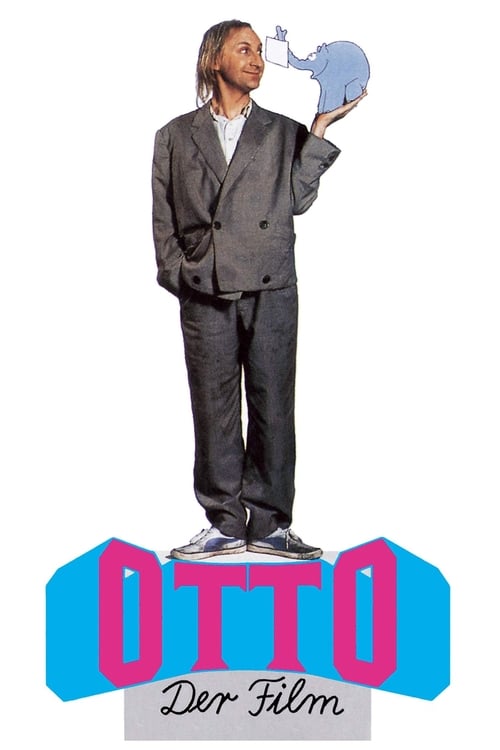
Otto - The Movie
1985
No user ratings available yet
Representation score: 3.1 out of 10
Representation Score
Minimal
1987
Director
Otto Waalkes, Xaver Schwarzenberger
Runtime
82 minutes
Average Rating
No ratings yetNew Showbiz Analysis
This film is a product of its time, serving as a localized German comedy that adheres to the social and demographic norms of 1987. It relies heavily on established masculine archetypes and straight-centered romance to drive its plot. Instead of challenging social hierarchies, the narrative reinforces them. The main conflict revolves around the protagonist's lack of traditional physical strength compared to the idealized, muscular masculinity embodied by the character Amboss. Overall, the film does not intentionally address diverse representation or sociopolitical issues, focusing instead on physical humor and individualistic entertainment within a homogeneous cultural context.
Category Breakdown
The film focuses on a traditional heterosexual relationship without depicting any non-binary gender identities or stories that question heterosexuality.
The movie relies on typical gender stereotypes. The female lead mainly serves as an object of desire, reinforcing traditional gender hierarchies.
The film mirrors the demographic uniformity of its 1987 German setting. There is no indication of a predominantly non-white or non-Anglo-Saxon cast.
The story follows mainstream commercial comedy conventions. It does not challenge Western, capitalist, or religious norms.
The protagonist’s lack of physical fitness is used for comedic effect rather than portraying a functional disability. No characters are shown dealing with disabilities.
Present on Screen
Limited or Absent
Official Synopsis
Otto is Friesland's answer to Rambo and stands between two worlds, two women and two animals. While he's trying to cure a dog with bite inhibition and a cat with suicidal tendencies, the dream of his sleepless nights crosses his path: Gaby. Otto falls instantly in love, but Gaby thinks only of Amboss, a real guy with muscles of steel and a brain of rubber. Well, Otto on the other hand is not exactly well built and attractive. But he's determined to get the lady's attention, even if it means taking part in body-building competitions...
1985

1977

1991
1978

2020
1992
2001

2003
No reviews yet. Be the first to share your thoughts on this movie!
Use the rating form above to leave a star rating and optional review.