
Summer Lover
1992
No user ratings available yet
Representation score: 2.9 out of 10
Representation Score
Limited
1989
Director
Clifton Ko Chi-Sum
Runtime
100 minutes
Average Rating
No ratings yetNew Showbiz Analysis
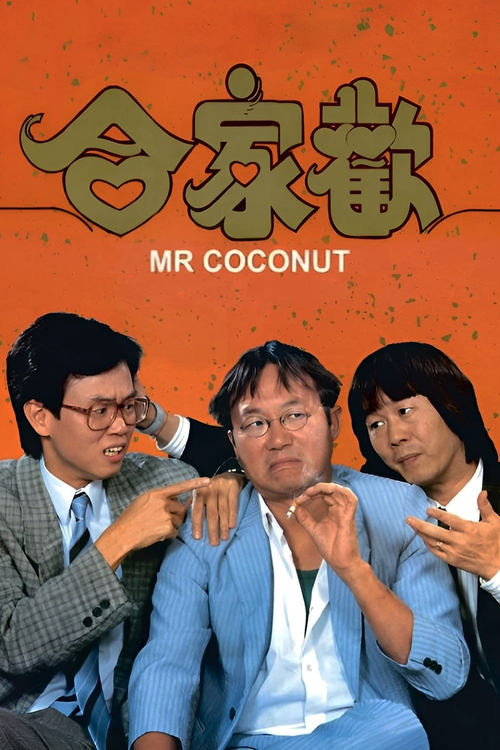
Mr. Coconut functions as a period-specific social comedy that captures the essence of late-1980s Hong Kong. The narrative's strength lies in its exploration of regional migration and the transition between different Chinese identities. It provides a localized window into the era's preoccupation with capitalism and rapid urbanization. However, the film remains tethered to the traditional social hierarchies of its time. It lacks complexity in addressing multiple aspects of identity and does not significantly challenge gender or LGBTQ+ norms. The focus remains firmly on mainstream comedic structures and conventional family units.
Category Breakdown
The film focuses on familial reunions and urban adaptation. It does not include explicit representations of non-traditional gender identities or challenges to heterosexual norms.
The narrative centers on traditional domestic roles and family reunification. It adheres to the conventional gender dynamics typical of 1980s commercial cinema.
The story explores regional identity through a character's migration from Hainan to Hong Kong. This provides a localized look at intra-ethnic cultural shifts.
The film observes the capitalist fervor and rapid technological shifts of 1980s Hong Kong. It emphasizes social aspiration and family cohesion over institutional critique.
There is no evidence regarding the portrayal of visible or invisible disabilities in this work.
Present on Screen
Limited or Absent
Official Synopsis
Lovable Mr. Coconut arrives in town from Hainan China where he lived with his coconuts. Here in the sophisticated urban jungles of Hong Kong. He has finally reunited with his family, as he endures Hong Kong Streets of the late 1980s, filled with stock and property gamblers, heavy mobile phones and others.
1992

1990
1987

1989

1988
1979
1999

1988
No reviews yet. Be the first to share your thoughts on this movie!
Use the rating form above to leave a star rating and optional review.