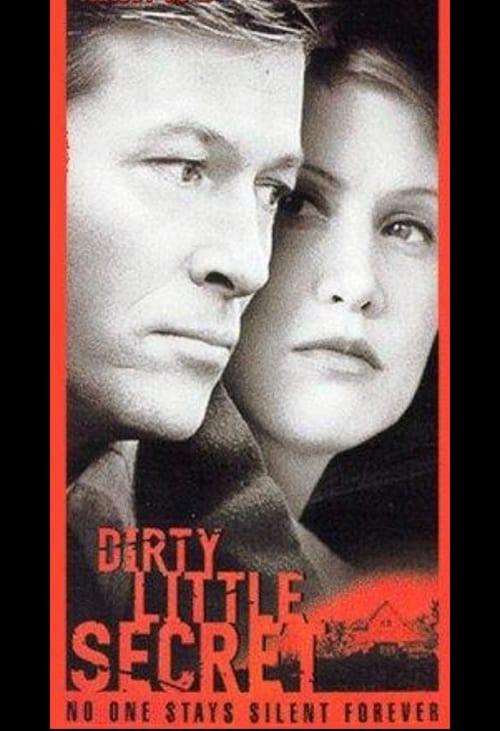
Dirty Little Secret
1998
No user ratings available yet
Representation score: 2.5 out of 10
Representation Score
Fair
2016
TV-14Director
Darin Scott
Runtime
87 minutes
Average Rating
No ratings yetNew Showbiz Analysis
This crime thriller follows a conventional narrative structure centered on a traditional family unit. It emphasizes psychological tension and procedural investigation over the exploration of diverse identities or social hierarchies. The film functions within a homogeneous social environment, focusing on a localized crisis. This results in a lack of characters who reflect more than one aspect of diversity or critiques of established social norms. Overall, the production aligns with standard genre expectations, offering a traditionalist perspective rather than challenging systemic power dynamics.
Category Breakdown
The film does not include any visible LGBTQ+ characters or narratives. The main conflict revolves around a traditional family structure.
The story delves into the emotional labor of the parents during a crisis. However, the characters primarily follow traditional gender roles.
The cast is mainly white, reflecting a small, rural community. The film does not use diverse casting to challenge the status quo.
The narrative operates within a conventional Western framework, emphasizing family sanctity and trust in institutional authorities like the police.
A character claims psychic abilities, which serve as a plot device for the thriller. There is no meaningful representation of physical or sensory disabilities.
Present on Screen
Limited or Absent
Official Synopsis
When 15-year-old Lizzie is kidnapped, her friendly but divorced parents Judith and Martin are devastated. The police can't find the girl but Tracy Spencer comes forward claiming she's a psychic and knows where Lizzie is. Judith is elated, but it soon becomes clear that Tracy has an agenda of her own.
1998
2015
2012

2014
2007
2012
2015
2011
No reviews yet. Be the first to share your thoughts on this movie!
Use the rating form above to leave a star rating and optional review.