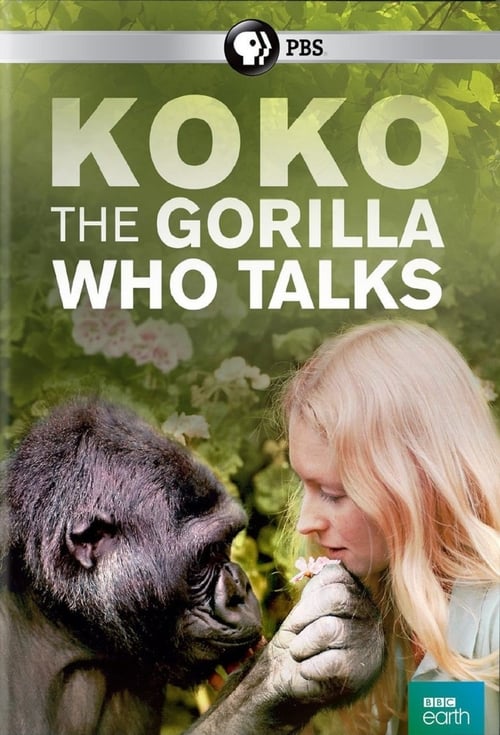
Koko: The Gorilla Who Talks to People
2016
No user ratings available yet
Representation score: 6.5 out of 10
Representation Score
Limited
1978
Not RatedDirector
Barbet Schroeder
Runtime
85 minutes
Average Rating
No ratings yetNew Showbiz Analysis
This documentary functions as a scientific study of interspecies communication rather than a narrative exploring human social identities. Because the subject is primatology, traditional identity metrics like race or sexual orientation are largely inapplicable to the content. However, the film offers intellectual depth by challenging human exceptionalism. By centering a female scientist and validating non-verbal communication through ASL, it subtly disrupts traditional hierarchies of expertise and expression. Ultimately, the score reflects a specialized scientific focus that lacks the social diversity found in character-driven cinema, even while it promotes biological relativism.
Category Breakdown
The film focuses on primatological research and does not include human characters or narratives centered on sexual orientation. There are no LGBTQ+ themes within this scientific scope.
Dr. Penny Patterson drives the narrative as the primary agent of discovery. Her presence in a technical field provides a subtle disruption of traditional gendered expertise roles.
The documentary is a specialized study focused on a specific research subject and a primary researcher. It lacks a diverse cast or focus on racial diversity.
The film challenges Western anthropocentrism by documenting a non-human entity's use of American Sign Language. This deconstructs the rigid boundaries between human culture and nature.
The use of American Sign Language as a bridge for a non-verbal subject mirrors the validation of non-traditional modes of expression, similar to neurodivergent narratives.
Present on Screen
Limited or Absent
Official Synopsis
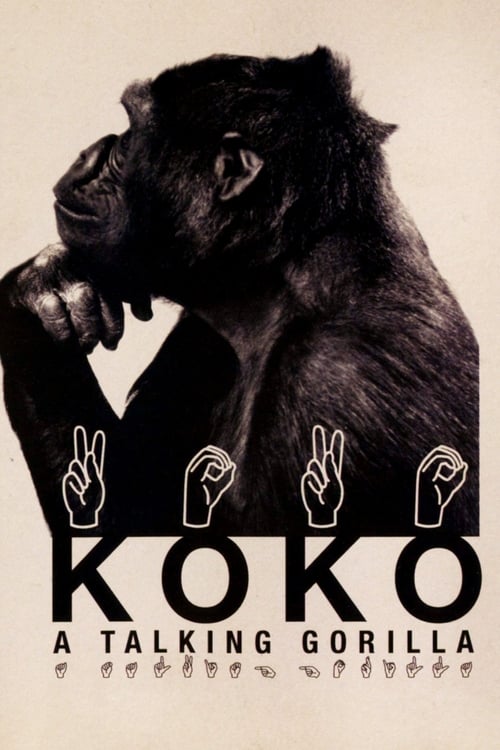
A documentary that follows Dr. Penny Patterson's current scientific study of Koko, a gorilla who communicates through American Sign Language.
2016
1978
2005
2016

2010
2011
2021
2016
No reviews yet. Be the first to share your thoughts on this movie!
Use the rating form above to leave a star rating and optional review.