
The Animal People
2019
No user ratings available yet
Representation score: 3.7 out of 10
Representation Score
Fair
2016
TV-14Director
D. A. Pennebaker, Chris Hegedus
Runtime
90 minutes
Average Rating
No ratings yetNew Showbiz Analysis
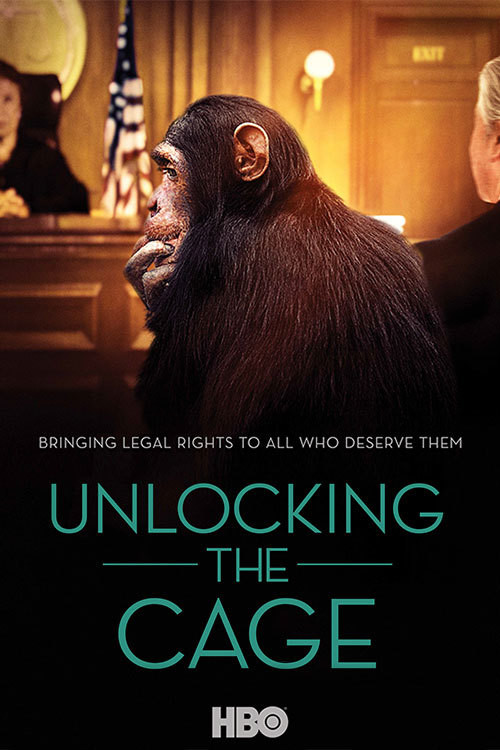
Unlocking the Cage is a specialized documentary that prioritizes legal and ethical arguments over traditional identity politics. Its strength lies in its systemic critique of how Western institutions commodify life. Because the film focuses on the legal battle for animal personhood, it lacks representation for LGBTQ+ identities and shows limited racial diversity among its activist circles. However, the film excels in cultural representation by deconstructing capitalist structures and challenging the foundational definitions of personhood and property.
Category Breakdown
The documentary does not include explicit LGBTQ+ characters or narratives. Instead, it focuses on legal personhood and animal rights advocacy.
The film showcases various activists and legal professionals, highlighting gendered participation in advocacy. It avoids traditional hierarchies by emphasizing the shared mission of the legal team.
The narrative centers on the intersection of law and biology rather than racial identity. The cast is not diverse in terms of ethnicity, and the central story is not driven by racial issues.
The film provides a strong critique of industrial and capitalist structures. It challenges Western legal frameworks by applying the writ of habeas corpus to sentient beings.
The physical and psychological traumas of chimpanzees are used to explore the boundaries of personhood. This is framed through a biological lens rather than a human disability framework.
Present on Screen
Limited or Absent
Official Synopsis
Renowned filmmakers D A Pennebaker and Chris Hegedus follow determined animal rights activist Steven Wise into the courtroom for an unprecedented battle that seeks to utilize the writ of habeas corpus to expand legal “personhood” to include certain animals. Wise’s unusual plaintiffs—chimpanzees Tommy and Kiko, once famed showbiz stars—are now living in filth, struggling to survive. Wise and his impassioned legal team take us into the field, revealing gripping evidence of such abuse and plunging us into the intricacies of their case as they probe preconceived notions of what it means to be a non-human animal.
2019

1978
2007
2011
2018
2016
2013

2004
No reviews yet. Be the first to share your thoughts on this movie!
Use the rating form above to leave a star rating and optional review.