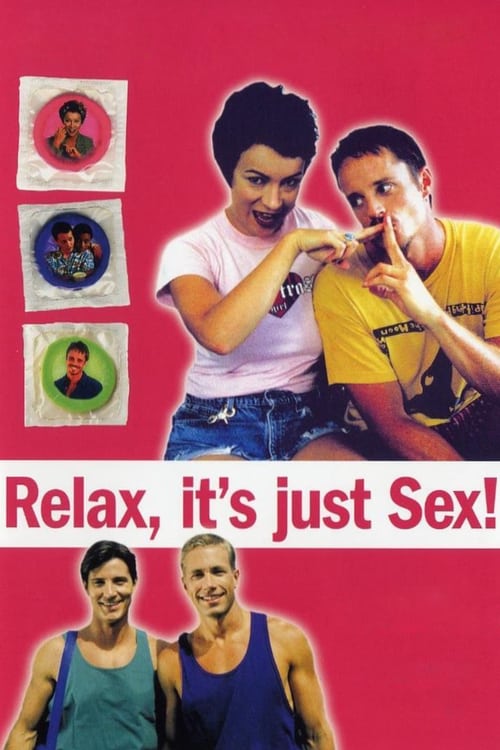
Relax... It's Just Sex
1998
No user ratings available yet
Representation score: 5.9 out of 10
Representation Score
Excellent
1998
Not RatedDirector
Rose Troche
Runtime
96 minutes
Average Rating
No ratings yetNew Showbiz Analysis
Rose Troche’s work offers a sophisticated exploration of identity that challenges traditional cinematic structures. By centering queer experiences and women's ability to drive the story, the film moves away from typical romantic clichés and domestic expectations. The narrative successfully integrates a multi-ethnic cast, providing a more inclusive portrayal of urban life without relying on systemic political critiques. While the film excels in sexual and gender representation, it lacks focus on disability and systemic issues.
Category Breakdown
The film explores both gay men and lesbian relationships, providing a nuanced look at same-sex intimacy and social spaces. It goes beyond just showing LGBTQ+ characters and delves into their experiences and relationships.
The film highlights the intellectual autonomy and friendships of its female characters, emphasizing their ability to act and emotional complexity. It challenges traditional gender roles by focusing on the strong and multifaceted women in the story.
The cast includes a mix of Black, White, and Asian characters, reflecting the diverse urban environment. This avoids a narrow focus on a single ethnic group and instead presents a more inclusive view of the city.
The story emphasizes the subjective nature of personal connections and deconstructs traditional romantic structures through a postmodern lens. It focuses on individual identity rather than adhering to conventional moral narratives.
Disability is not a central theme in the character arcs, but there is no harmful stereotyping. However, there is a noticeable absence of neurodivergent or disabled representation.
Present on Screen
Limited or Absent
Official Synopsis
At the suggestion of a straight friend, gay man Leo joins a men’s group, where he causes some upsets by declaring his attraction to one of its members.
1998
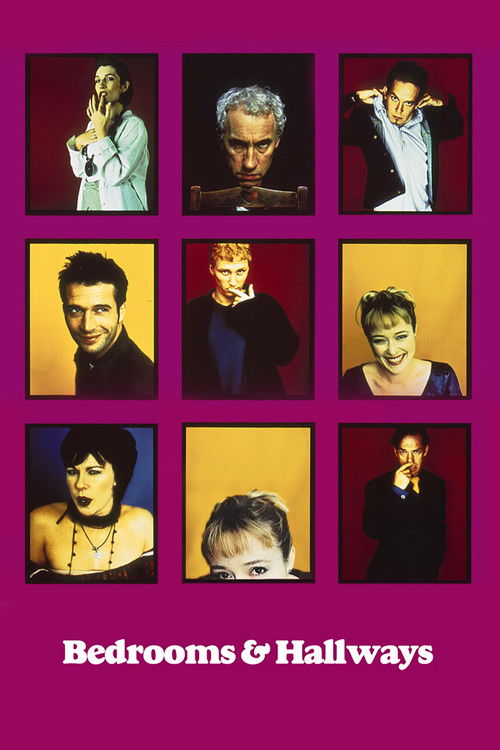
1988
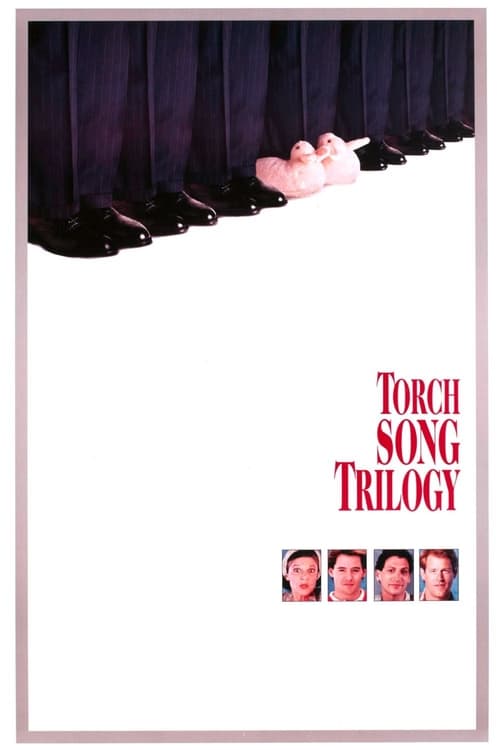
2000

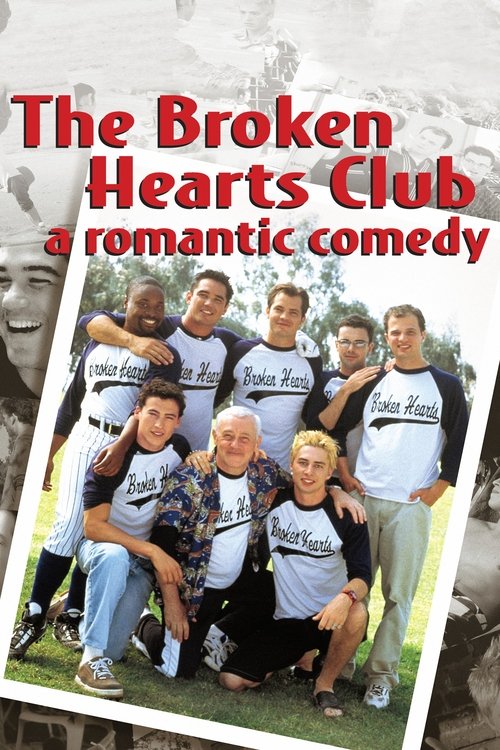
2014
1993

1999

2012
1999
No reviews yet. Be the first to share your thoughts on this movie!
Use the rating form above to leave a star rating and optional review.