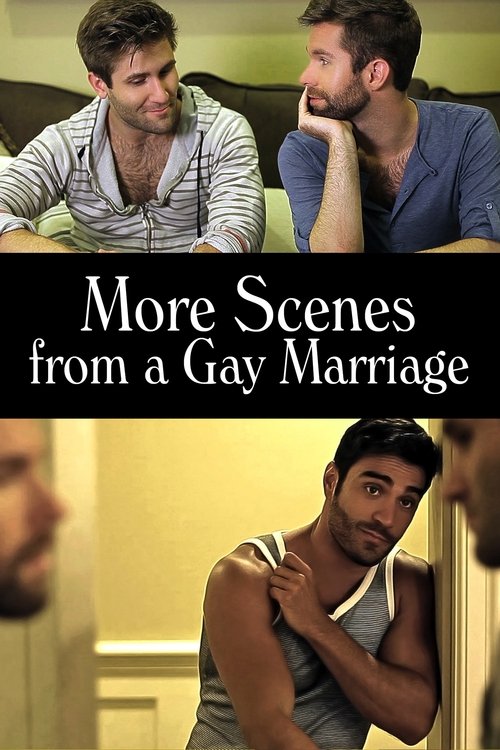
More Scenes from a Gay Marriage
2014
No user ratings available yet
Representation score: 3.8 out of 10
Representation Score
Fair
2012
NRDirector
Matt Riddlehoover
Runtime
83 minutes
Average Rating
No ratings yetNew Showbiz Analysis
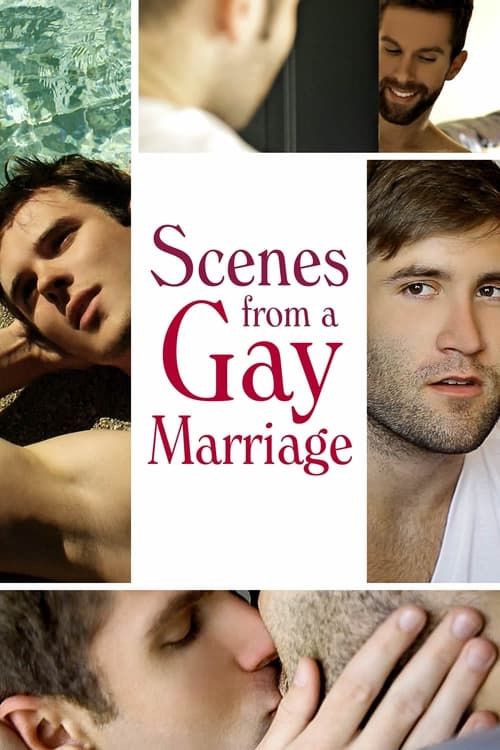
Scenes from a Gay Marriage succeeds as a sophisticated deconstruction of domestic stability. By centering the plot on the internal conflicts of a gay couple, the film avoids the common cliché of the outsider looking in, providing a raw look at relational fractures. The work aligns with progressive storytelling by rejecting the 'happily ever after' cliché. Instead of a redemptive arc, it offers a postmodern critique of institutional stability and the sanctity of traditional marriage. While the film excels in LGBTQ+ representation and cultural subversion, it lacks evidence regarding racial, ethnic, or disability-related diversity.
Category Breakdown
The film centers on a non-straight relationship, allowing the characters to take control of their emotional struggles. It avoids simplified portrayals and instead delves into the complex dynamics of same-sex intimacy.
Traditional gender roles are challenged through a fluid emotional landscape. Masculinity is shown through vulnerability and interpersonal conflict rather than stoic leadership or conventional provider roles.
The narrative focuses on a specific interpersonal dynamic without showing evidence of a diverse cast or racialized conflict.
The story challenges traditional partnership structures by exploring the subjective emotional truths of infidelity. It breaks down the ideal of the stable, monogamous domestic unit.
There is no evidence within the narrative to suggest the presence of visible or invisible disabilities.
Present on Screen
Limited or Absent
Official Synopsis
A recently single man finds solace in his upstairs neighbors' seemingly perfect relationship - until he suspects one of them is cheating.
2014

2014

2017
2020
2011

2004
1998

2011
No reviews yet. Be the first to share your thoughts on this movie!
Use the rating form above to leave a star rating and optional review.