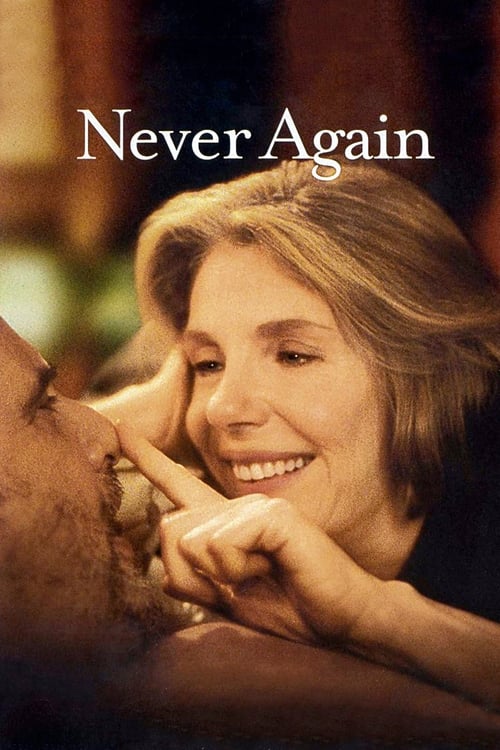
Never Again
2001
No user ratings available yet
Representation score: 6.3 out of 10
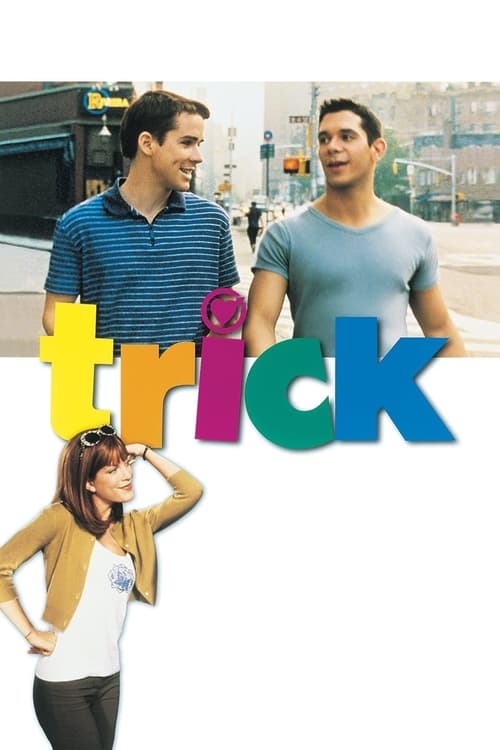
Representation Score
Good
1999
RDirector
Jim Fall
Runtime
89 minutes
Average Rating
No ratings yetNew Showbiz Analysis
Trick stands out for its intentional departure from the tragic queer clichés common in earlier cinema. By using a contemporary urban setting, the film normalizes queer identity through a lens of realism and self-actualization. The film successfully challenges traditional romantic archetypes, particularly through its exploration of masculinity and shifting orientations. This approach provides a nuanced look at intimacy and the complexities of identity formation. While the film captures the multicultural essence of New York City, the primary narrative focus remains on specific interpersonal dynamics. This results in a strong portrayal of queer life that nonetheless maintains a predominantly male-centric perspective.
Category Breakdown
The film focuses on queer lived experiences, avoiding overly dramatic portrayals in favor of a sophisticated exploration of identity. It treats non-straight identities as a central part of the social fabric rather than a peripheral element.
The narrative challenges traditional gender roles by highlighting male vulnerability and questioning conventional masculinity. It explores men in non-traditional structures, especially those who question their orientation while engaged to women.
Set in New York City, the film reflects a multicultural urban environment. Representation feels like a natural part of the city's diversity rather than forced or shallowly inclusive inclusion.
The story embraces postmodern ideas by prioritizing individual truth and personal freedom. It suggests that identity is a fluid, evolving process rather than a fixed social category.
There is no significant evidence regarding the portrayal of physical or neurodivergent disabilities within the narrative.
Present on Screen
Limited or Absent
Official Synopsis
Gabriel is a young, aspiring musical composer whose life seems stuck in the First Act. When his new musical number gets a critical reception, a theatre colleague, Perry, tells Gabriel that he needs to get a life before he can write about one – so he heads straight for his local gay bar.
2001
1988
1998

2011
2005
2020
2010

2009
No reviews yet. Be the first to share your thoughts on this movie!
Use the rating form above to leave a star rating and optional review.