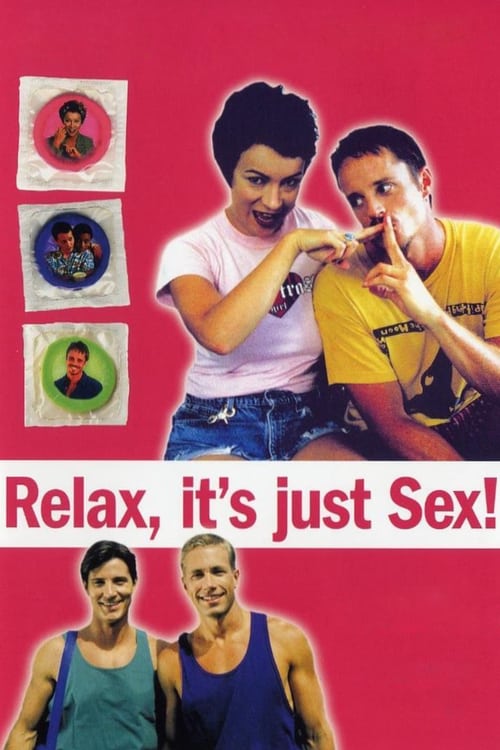
Relax... It's Just Sex
1998
No user ratings available yet
Representation score: 5.9 out of 10
Representation Score
Fair
2000
RDirector
Greg Berlanti
Runtime
96 minutes
Average Rating
No ratings yetNew Showbiz Analysis
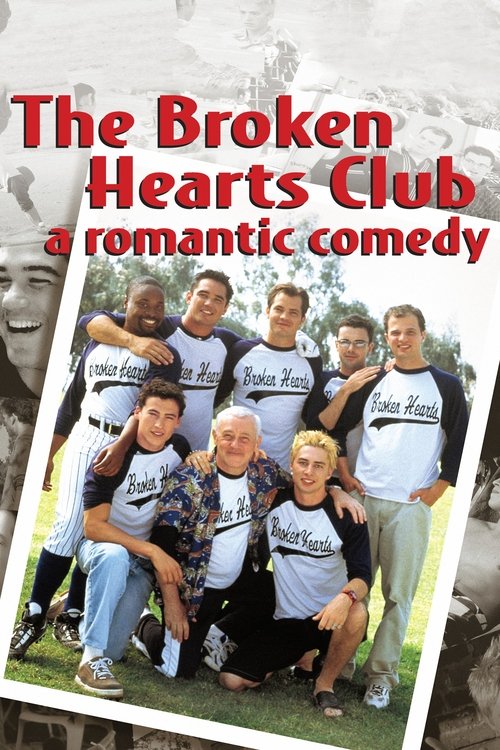
The Broken Hearts Club is a foundational piece of queer cinema that avoids the common tragedy cliché. Instead of focusing on trauma, it centers on the everyday complexities and emotional resilience of a gay social subculture. While the film excels in LGBTQ+ and gender representation by breaking down traditional masculinity, it remains limited in its racial diversity. The demographic composition is largely white and lacks broader ethnic representation. Ultimately, the film's strength lies in its portrayal of community and ability to act. It offers a progressive view of identity by emphasizing communal, non-biological bonds over conventional domestic structures.
Category Breakdown
The film focuses heavily on queer identities, exploring same-sex relationships and the idea of chosen families. It highlights the roles these characters play in driving the story.
The movie challenges typical masculine stereotypes by highlighting male vulnerability and emotional openness. It presents a nuanced look at male characters who are not just strong and stoic.
The cast is notably homogeneous and primarily white. The narrative lacks significant racial the way different parts of someone's identity overlap, focusing instead on a specific socioeconomic subset of individuals.
The film emphasizes personal connections and the concept of chosen family rather than traditional institutions. It looks at modern, secular views on morality and identity.
The film does not significantly address physical or neurological disabilities.
Present on Screen
Limited or Absent
Official Synopsis
A close-knit group of gay friends share the emotional roller coster of life, relationships, the death of friends, new beginnings, jealousy, fatherhood and professional success. At various stages of life's disarray, these young men share humorous and tragic relationships and always have each other to rely on.
1998
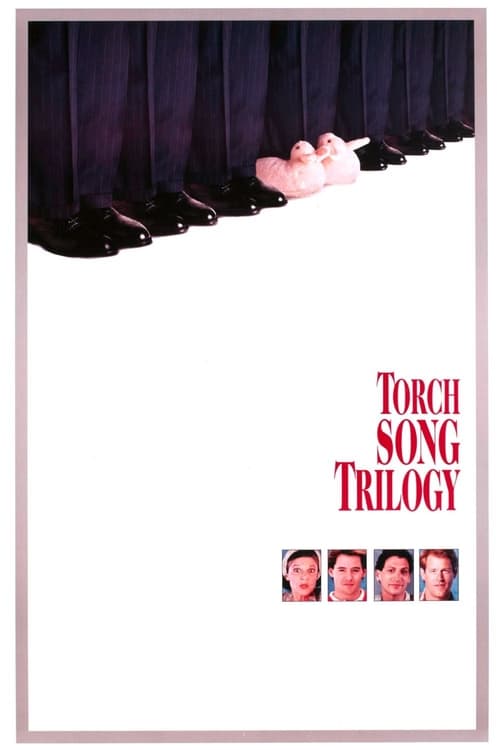
1988
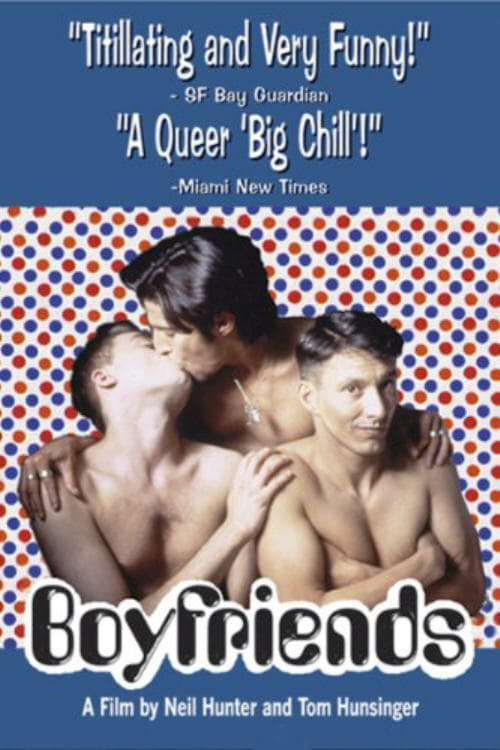
1996

2005
1998
1999
1997
2000
No reviews yet. Be the first to share your thoughts on this movie!
Use the rating form above to leave a star rating and optional review.