Roughly Squeaking
1946
No user ratings available yet
Representation score: 1.9 out of 10
Representation Score
Fair
1944
ApprovedDirector
Chuck Jones
Runtime
7 minutes
Average Rating
No ratings yetNew Showbiz Analysis
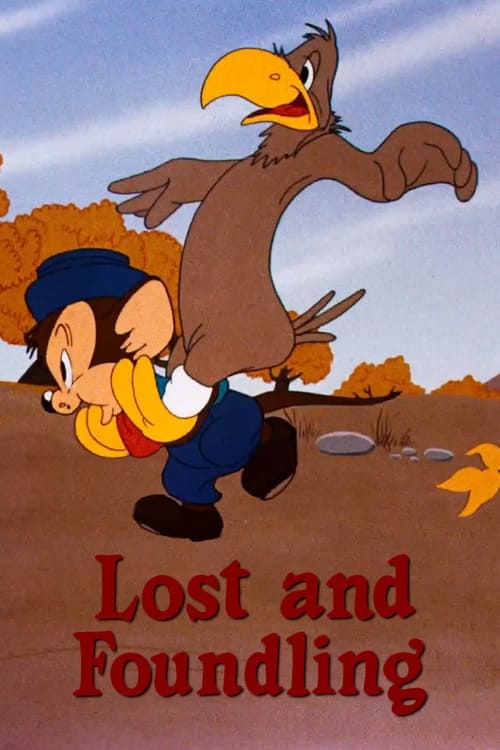
Lost and Foundling offers a subtle disruption of social norms through its central premise of unconventional kinship. By focusing on a mouse raising a hawk, the film moves away from rigid biological hierarchies and explores the concept of chosen family. However, the film lacks explicit markers of identity-based diversity. There is no clear representation of LGBTQ+ identities, racial diversity, or gendered subversion within the available narrative context. Ultimately, the work's impact lies in its thematic departure from traditional social structures rather than in direct character-driven diversity.
Category Breakdown
The film does not include explicit depictions of LGBTQ+ identities or relationships that go beyond the assumption that everyone is straight. The cross-species adoption theme does not have specific symbols related to LGBTQ+ issues.
There is no visible evidence of gender dynamics or the subversion of traditional gender roles. The narrative does not provide information on the role of gender or how characters drive the story based on their gender.
The story uses anthropomorphic animals within a non-human framework. While the adoption theme could symbolically represent integration, there is no explicit evidence of racial or ethnic diversity.
The narrative challenges traditional family structures through the foundling cliché. By showing a mouse raising a hawk, the film disrupts natural hierarchies and emphasizes chosen kinship over instinct.
The film contains no evidence of characters with physical or neurodivergent disabilities. No such representation is present in the narrative or historical record.
Present on Screen
Limited or Absent
Official Synopsis
A mouse adopts a hawk.
1946
1947
1941
1940
1950
1954
1940
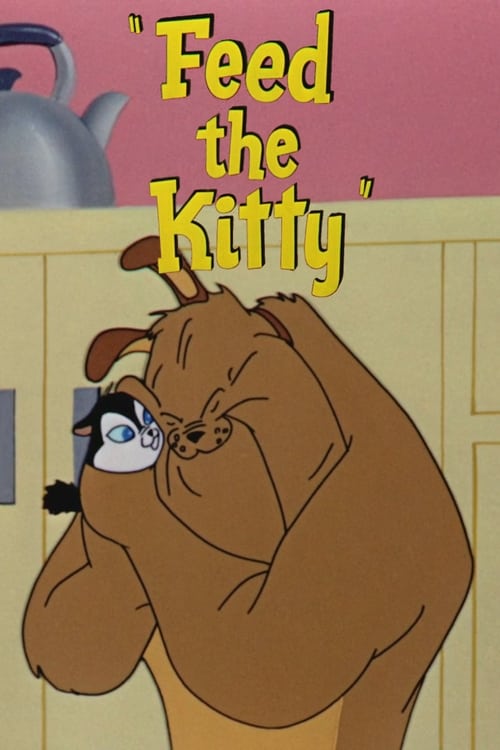
1952
No reviews yet. Be the first to share your thoughts on this movie!
Use the rating form above to leave a star rating and optional review.