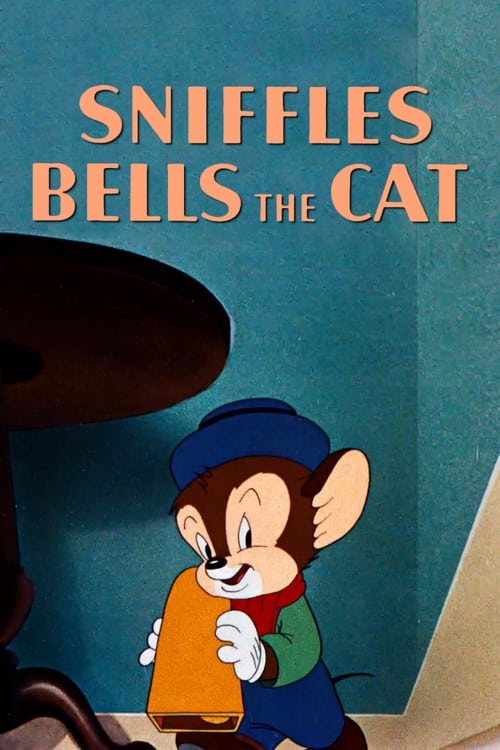
Sniffles Bells the Cat
1941
No user ratings available yet
Representation score: 0.8 out of 10
Representation Score
Minimal
1952
NRDirector
Chuck Jones
Runtime
7 minutes
Average Rating
No ratings yetNew Showbiz Analysis
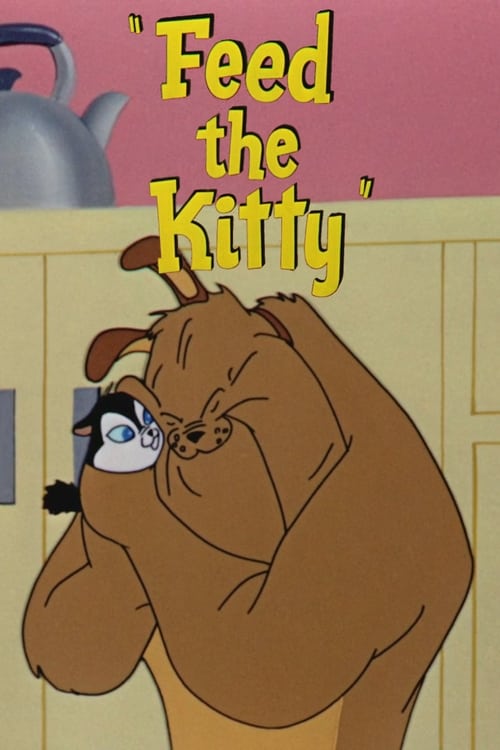
Chuck Jones's short is a pure exercise in mid-century slapstick, prioritizing physical comedy and the emotional bond between a bulldog and a kitten. The narrative is a closed loop centered on domestic interaction, leaving no room for social commentary. Because the protagonists are non-human animals, the film avoids many human-centric social dynamics. This results in a neutral stance on gender but a total absence of racial, ethnic, or LGBTQ+ representation. The film functions as a traditional piece of animation that reinforces standard domestic hierarchies without engaging in multi-layered themes or identity-based storytelling.
Category Breakdown
The film focuses entirely on the bond between a bulldog and a kitten. There are no depictions of LGBTQ+ identities or gender-nonconforming characters.
The characters are gender-neutral animal archetypes. The film avoids reinforcing specific domestic gender roles but lacks female characters and subversions of gender hierarchies.
The cast is homogeneous in species, featuring only anthropomorphic animals. The film lacks human racial or ethnic representation and social hierarchies.
The story follows a conventional moral arc centered on caretaking and protection. It reinforces traditional mid-century notions of domesticity and the provider role.
No characters are portrayed with visible or invisible disabilities. The slapstick comedy relies on standard clichés of pursuit rather than themes of impairment.
Present on Screen
Limited or Absent
Official Synopsis
A bulldog adopts an adorable kitten, but he can't let his owner know.
1941
1952
1953
1960

1950
1949
1951
1954
No reviews yet. Be the first to share your thoughts on this movie!
Use the rating form above to leave a star rating and optional review.