
Thanks a Million
1935
No user ratings available yet
Representation score: 0.9 out of 10
Representation Score
Minimal
1934
PGDirector
Hamilton MacFadden
Runtime
69 minutes
Average Rating
No ratings yetNew Showbiz Analysis
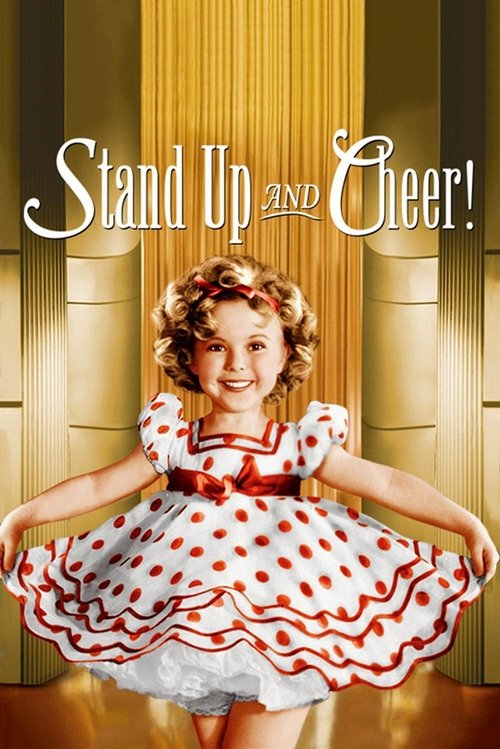
Stand Up and Cheer! functions as a period-specific artifact of institutional optimism. The narrative is designed to reinforce the social and political status quo of the Great Depression era rather than disrupt it. The film prioritizes national unity and the efficacy of government leadership. This framework emphasizes traditional Western values and social stability over storytelling that reflects multiple aspects of diversity. Ultimately, the production serves a populist purpose, aiming to boost national morale through a lens of conventional social norms.
Category Breakdown
The film does not include any LGBTQ+ characters or narratives that challenge the assumption that everyone is straight or cisgender. Its focus on national morale relies on the traditional social structures of 1934.
Leadership roles in the film are predominantly male-centric, centered around a theatrical producer. Femininity is portrayed within conventional bounds, reinforcing standard mid-1930s gender roles.
The narrative likely centers on a traditional Anglo-Saxon depiction of American identity. There is no indication of non-white protagonists with significant roles.
The story celebrates American institutional resilience and patriotism. It promotes social cohesion and Western political efficacy rather than critiquing existing social structures.
There is no evidence of characters with visible or invisible disabilities. No such characters serve as central plot drivers.
Present on Screen
Limited or Absent
Official Synopsis
President Franklin Roosevelt appoints a theatrical producer as the new Secretary of Amusement in order to cheer up an American public still suffering through the Depression. The new secretary soon runs afoul of political lobbyists out to destroy his department.
1935

1933
1935
1933

1934
1934
1951
1934
No reviews yet. Be the first to share your thoughts on this movie!
Use the rating form above to leave a star rating and optional review.