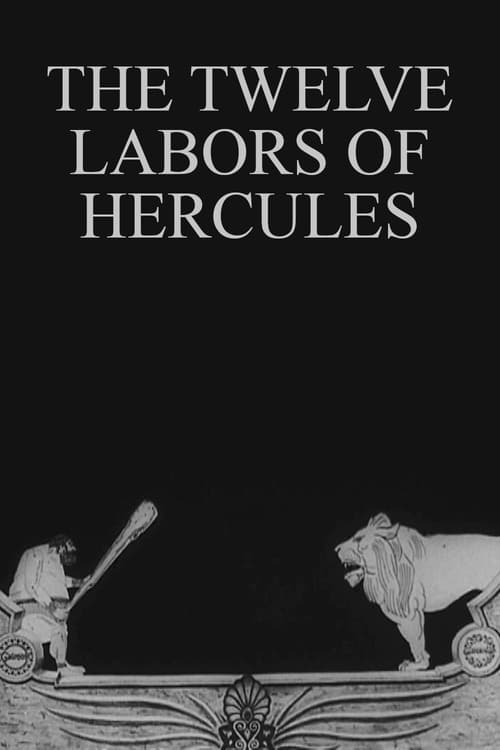
The Twelve Labors of Hercules
1910
No user ratings available yet
Representation score: 0.3 out of 10
Representation Score
Limited
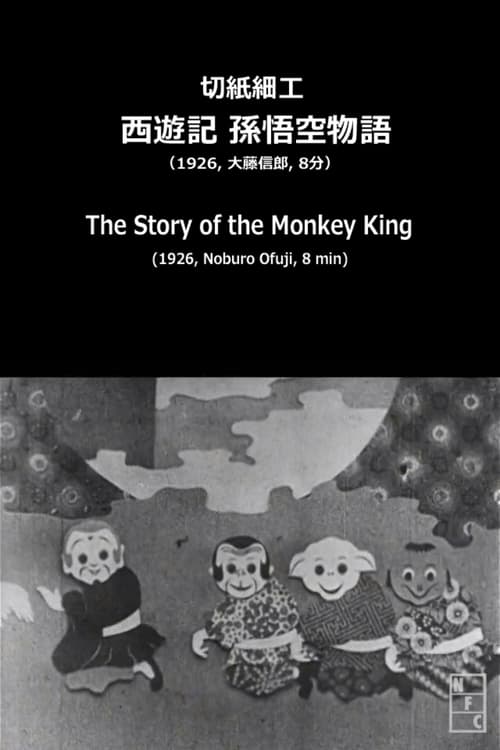
1926
Director
Noburô Ôfuji
Runtime
5 minutes
Average Rating
No ratings yetNew Showbiz Analysis
Noburô Ôfuji’s work is a landmark of early animation that succeeds in cultural cross-pollination. By adapting 'Journey to the West,' the film disrupts mono-cultural cinematic history through an Eastern mythological framework. While the film lacks modern complexity regarding gender and LGBTQ+ identities, it remains significant for its departure from Western narrative dominance. The silhouette animation creates a universalist aesthetic that transcends specific ethnic markers. The film operates within the spiritual logic of its source material, prioritizing non-Western philosophical traditions over Western-centric perspectives.
Category Breakdown
The film focuses entirely on the mythological exploits of Sun Wukong. There are no depictions of non-straight identities or narratives addressing the assumption that everyone is straight.
The narrative centers on the Monkey King, a powerful male figure. It lacks female characters who play a significant role in driving the story.
A Japanese director interprets a cornerstone of Chinese literature, creating a bridge between two Asian traditions. The work avoids a Western-centric perspective by centering Eastern mythology.
The film is rooted in Buddhist and Taoist cosmological frameworks. It prioritizes non-Western spiritual traditions over Western moral structures or Christian logic.
There are no discernible depictions of physical or neurodivergent disabilities used as central plot devices or character traits.
Present on Screen
Limited or Absent
Official Synopsis
A cut-out animation adaptation of the classic novel "Journey to the West."
1910
1926
1982
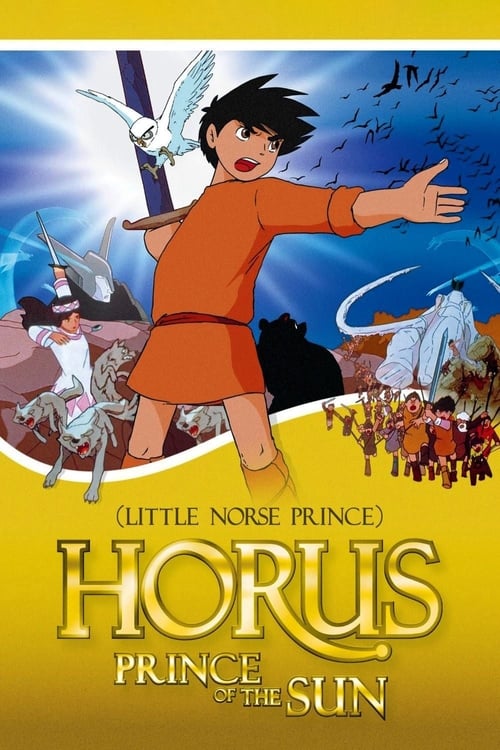
1968
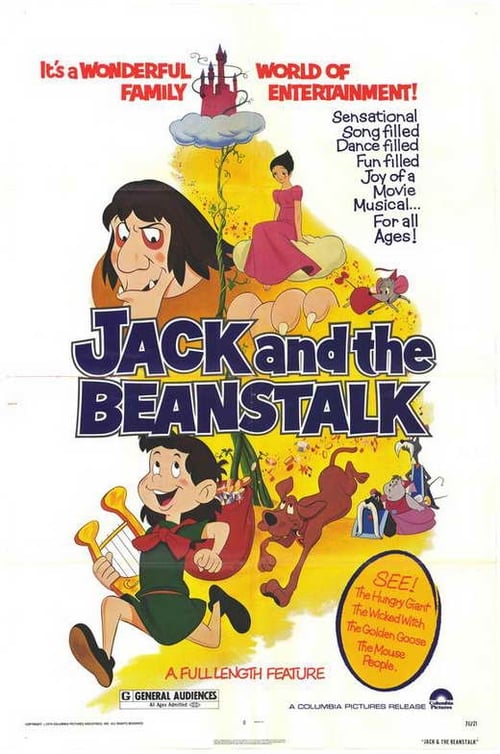
1974
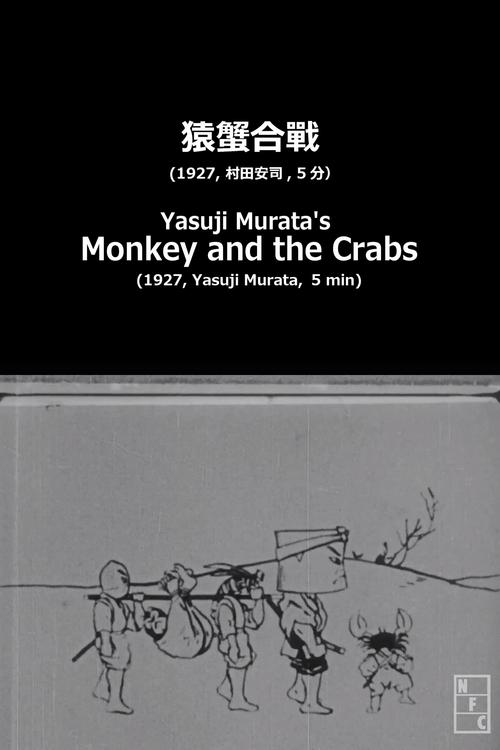
1927
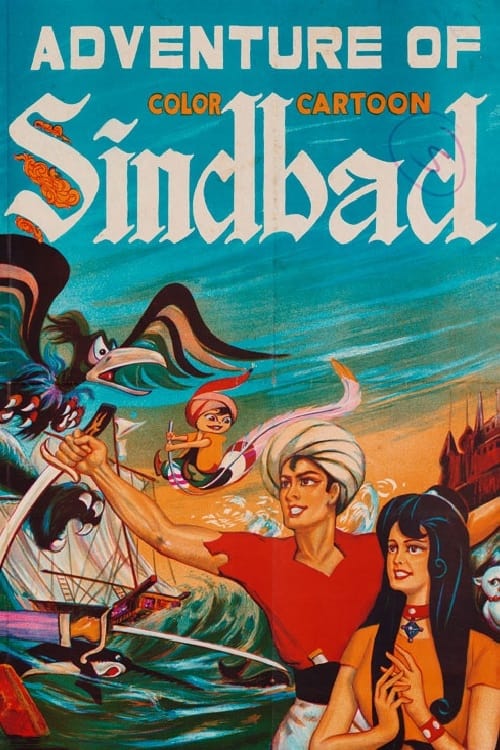
1962

1961
No reviews yet. Be the first to share your thoughts on this movie!
Use the rating form above to leave a star rating and optional review.