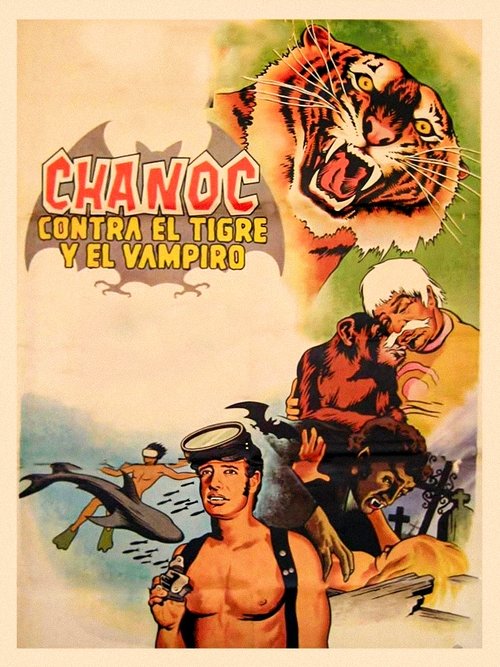
Chanoc vs. the Tiger and the Vampire
1972
No user ratings available yet
Representation score: 3.7 out of 10
Representation Score
Fair
1970
Director
Federico Curiel
Runtime
85 minutes
Average Rating
No ratings yetNew Showbiz Analysis
Federico Curiel’s film stands out as a significant example of Mexican genre cinema that breaks from Hollywood-centric horror norms. By focusing on a Mexican historical context and a non-Western cast, it offers a fresh perspective. The film also subverts traditional gender roles by placing women at the forefront as powerful supernatural entities, rather than passive characters. However, the work remains confined within the clichés of 1970s exploitation cinema. While it emphasizes regional and female empowerment, it lacks explicit social critique or diverse identity-driven narratives.
Category Breakdown
The film does not explore queer romantic relationships or non-cisgender identities. It portrays the vampire women as a unified opposing force without delving into individual identity.
The story challenges traditional gender roles by centering a powerful female collective that drives the plot. These women are depicted as strong supernatural beings rather than passive victims.
The film centers a Mexican setting and a non-Western cast, moving away from Anglo-centric horror traditions. It highlights localized historical contexts.
The plot explores themes of historical grievance and revenge, possibly critiquing past injustices. However, it adheres to conventional genre storytelling.
There is no clear depiction of physical or neurodivergent disabilities in the narrative.
Present on Screen
Limited or Absent
Official Synopsis
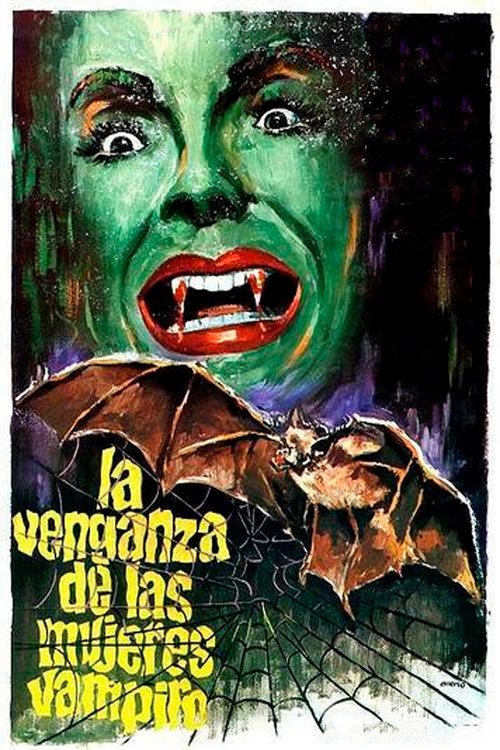
The vampire women of Mexico have awakened to take their revenge on the descendant of the man who destroyed them shortly after they had emigrated to Mexico during the 19th century.
1972
1970

1975
1972

1974
1976
1972

2005
No reviews yet. Be the first to share your thoughts on this movie!
Use the rating form above to leave a star rating and optional review.