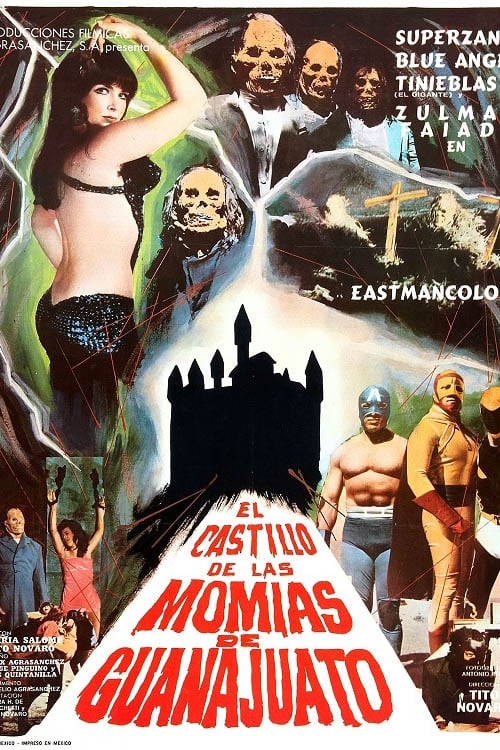
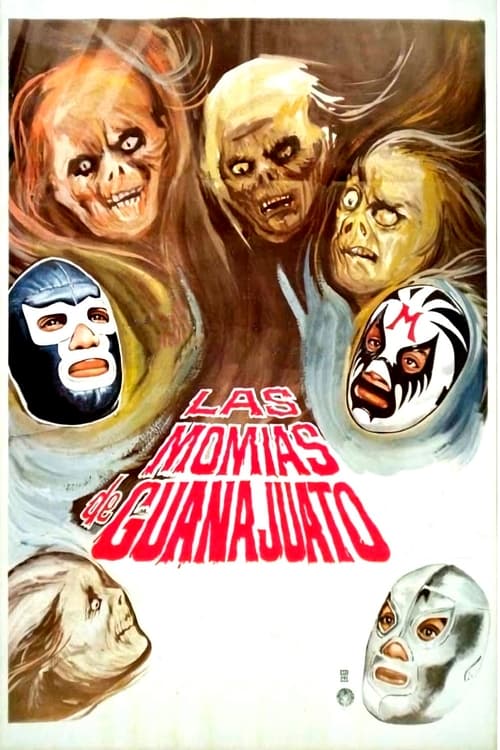
The Castle of Mummies of Guanajuato
1973
No user ratings available yet
Representation score: 5.2 out of 10
Representation Score
Limited
1972
Director
Federico Curiel
Runtime
85 minutes
Average Rating
No ratings yetNew Showbiz Analysis
This film is a classic example of Mexican genre cinema that emphasizes spectacle and traditional heroism. While it offers a non-Western cultural perspective through its setting and cast, the narrative remains limited in its social scope. The story is driven by masculine roles and supernatural combat, leaving little room for diverse gender roles or LGBTQ+ representation. It serves as commercial entertainment rather than a platform for social or multi-layered exploration. Ultimately, the film adheres to established genre conventions. It provides cultural authenticity through its Mexican identity but lacks the complexity needed to address systemic or diverse social themes.
Category Breakdown
The film does not include any LGBTQ+ characters or stories that challenge the assumption that everyone is straight or cisgender. It focuses on traditional masculine roles typical of the Luchador genre.
The plot revolves around conflicts between male characters, emphasizing physical strength and wrestling. Female characters play minor roles and do not significantly influence the story.
The production features a non-Anglo-Saxon cast and a Mexican setting. Characters mostly follow established hero and villain archetypes without delving into complex racial identities.
The story incorporates a supernatural framework of good versus evil. It reinforces conventional morality through themes of selling one’s soul and religious dualism without critiquing institutions.
There are no characters with visible or invisible disabilities. Mummies act as supernatural villains rather than representing human disability.
Present on Screen
Limited or Absent
Official Synopsis
Satan, a wrestler who sold his soul to the Lord of Darkness for fame but was thwarted by Santo's ancestor, who is now rising after a hundred years with his army of mummies to take revenge.
1973
1983
1974
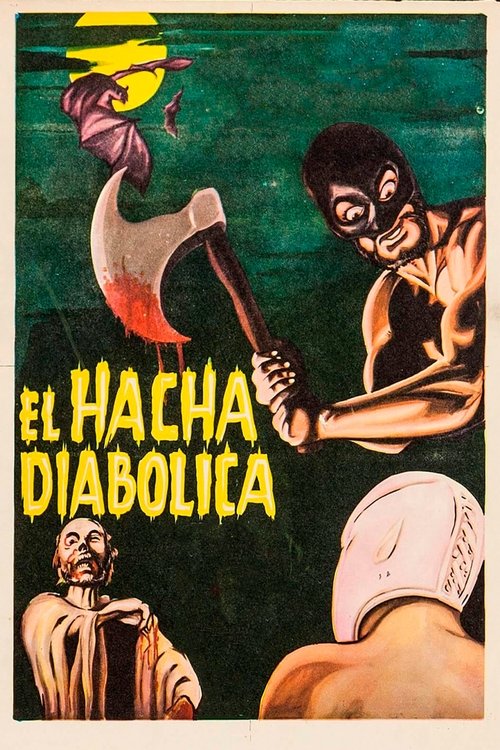
1965
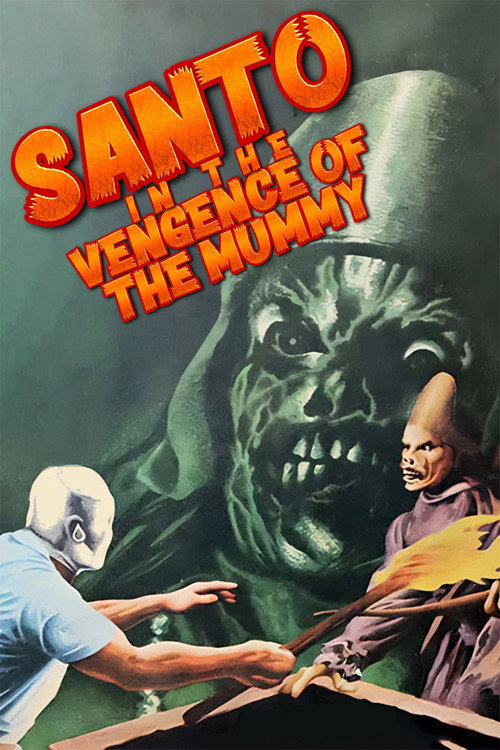
1971
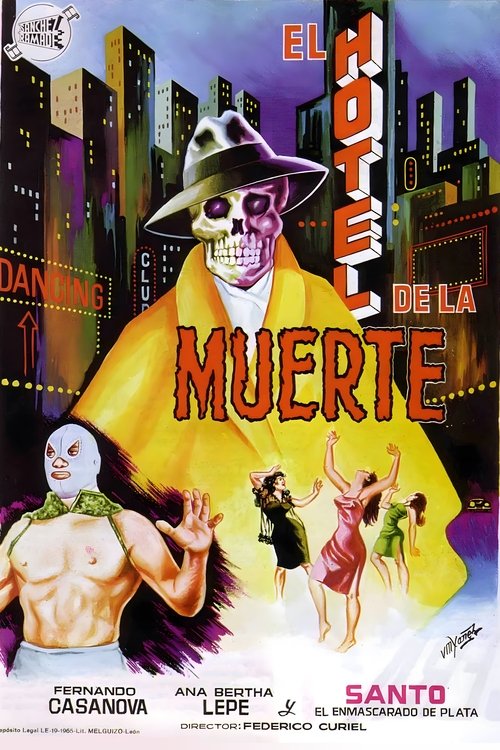
1963
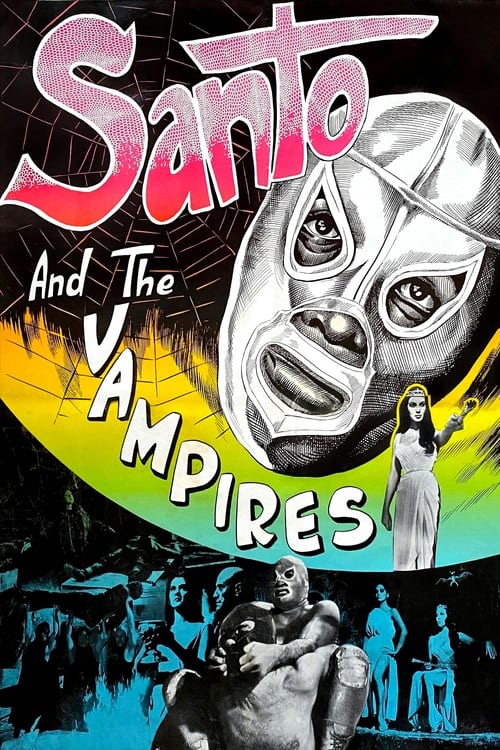
1962
1967
No reviews yet. Be the first to share your thoughts on this movie!
Use the rating form above to leave a star rating and optional review.