New Showbiz

You are here:
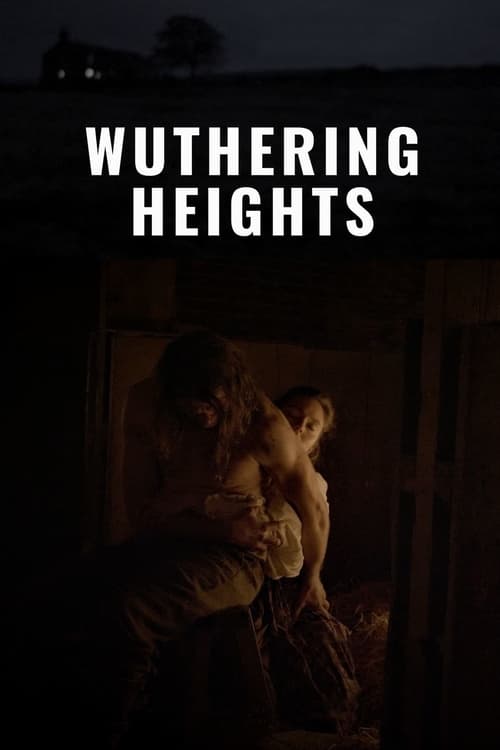
"Wuthering Heights"

"Wuthering Heights"

2026

R

Director

Emerald Fennell

Runtime

136 minutes

Average Rating

No ratings yet

Synopsis

Tragedy strikes when Heathcliff falls in love with Catherine Earnshaw, a woman from a wealthy family in 18th-century England.

Where to Watch

Diversity & Representation

Overall Score

7.3/10

Good


Category Breakdown

LGBTQ+ Representation

Good

Queer readings emerge through the primal, non-normative bond between Catherine and Heathcliff, framed by keywords like 'kinky' and 'forbidden love.' This fluidity disrupts conservative marital structures, allowing desire to exist outside traditional heteronormative boundaries.

Gender Representation

Excellent

Catherine acts as a strategic agent driving the tragedy, subverting the passive female trope. Heathcliff’s marginalized status inverts the dominant male lead, while the narrative critiques patriarchal estates, positioning women as resisting systemic oppression through complex power dynamics.

Racial & Ethnic Diversity

Good

Casting Hong Chau and Shazad Latif in 18th-century roles disrupts historical homogeneity, normalizing diversity within period settings. This strategy challenges expectations of a white aristocracy, adding layers of modern inclusivity that recontextualize the traditional narrative fabric.

Religious & Cultural Diversity

Good

The film critiques Western institutions by portraying patriarchal figures as incompetent and self-destructive. Prioritizing individual passion over Victorian duty presents a postmodern view where characters operate outside conventional moral boundaries, highlighting institutional failure.

Disability Representation

Good

Explicit disability depictions are absent, but the gothic tone and themes of grief create space for vulnerability. Heathcliff’s status as a rescued street child embodies social marginalization, though the score relies on atmospheric trauma rather than specific character arcs.

Strengths

  • Subverts gender hierarchies by positioning Catherine as an active, strategic agent rather than a passive victim.
  • Diverse casting in a period setting disrupts historical homogeneity and normalizes inclusion within the narrative.
  • Critiques patriarchal stability by portraying authority figures as incompetent, undermining traditional moral frameworks.

Areas for Improvement

  • Lacks explicit LGBTQ+ relationships, relying on subtextual readings rather than direct representation of queer identities.
  • Disability representation is vague, depending on atmospheric themes of trauma rather than specific character depictions.
  • Cultural critique relies on broad thematic statements about institutional failure rather than nuanced historical engagement.

AI Analysis

Emerald Fennell’s direction subverts traditional genre expectations, centering female agency and emotional truth over historical realism. This approach challenges male-gazed interpretations, framing the story through intense female interiority and complex, intersectional dynamics.

How are these scores produced? →

Featured in

  • Best Gender Representation in Film
  • Best Gender Representation of the 2020s
  • Best Racial & Ethnic Representation in Film
  • Best Racial & Ethnic Representation of the 2020s
  • Best Religious & Cultural Representation in Film

Similar Movies

Movie poster for One-Two-Three Now!

One-Two-Three Now!

2016

No user ratings available yet
Diversity score: 4.8 out of 10

Rate this Movie

No rating selected
Use arrow keys to select a rating from 1 to 5 stars
Optional text review, maximum 2000 characters
Tip: Wrap spoilers with ||double pipes|| to hide them
0/2000 characters
You must be signed in to submit a rating

Reviews

No reviews yet. Be the first to share your thoughts on this movie!

Use the rating form above to leave a star rating and optional review.