
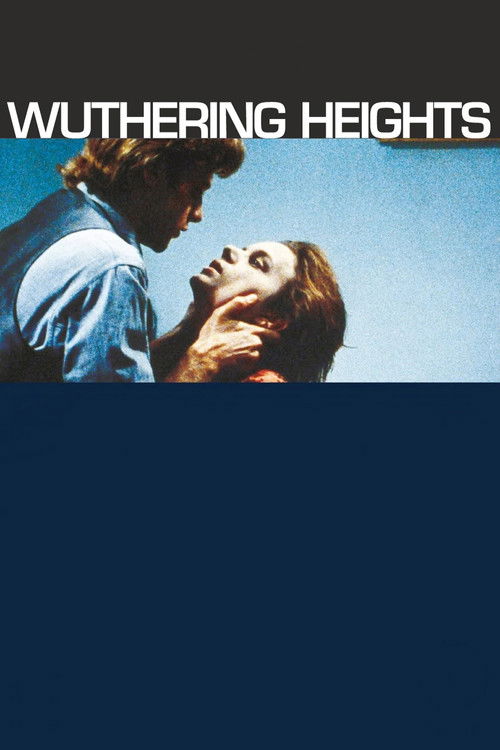
Wuthering Heights
1992
No user ratings available yet
Representation score: 4.1 out of 10
Representation Score
Fair
1985
Director
Jacques Rivette
Runtime
126 minutes
Average Rating
No ratings yetNew Showbiz Analysis
Jacques Rivette’s adaptation delves deeply into the psychological tension between individual ability to act and the restrictive social conventions of the 1930s. The film excels in exploring class-based oppression and the internal struggles of its female protagonist against systemic expectations. However, the representation is narrow, focusing on a homogeneous wealthy French society. There is little evidence of racial or LGBTQ+ diversity. While the themes challenge traditional femininity, the cast remains confined to a conventional period-piece ensemble. Ultimately, the film is a study of social hierarchy and emotional intensity rather than a broad exploration of diverse identities.
Category Breakdown
The film highlights a strong, unbreakable bond between Roch and Cathy. However, it does not explicitly address their sexual orientation or gender identity.
Cathy is shown as a character who struggles against the societal pressures of her time. She navigates her internal desires while dealing with the expectations of her social status and marriage.
Set in the 1930s south of France, the story focuses on a homogeneous wealthy family. The narrative appears to follow traditional period-piece structures without visible racial diversity.
The film critiques established social hierarchies and class-based institutions. It uses the dynamic of an orphan entering a wealthy estate to challenge traditional Western class structures.
The narrative does not provide any information about the depiction of physical, sensory, or neurodivergent identities.
Present on Screen
Limited or Absent
Official Synopsis
In 1930s south of France, young orphan Roch is adopted by the wealthy Earnshaw family and moves into their estate, Wuthering Heights. Soon, the new resident falls for his compassionate foster sister, Cathy. The two share a remarkable bond that seems unbreakable until Cathy, feeling the pressure of social convention, suppresses her feelings and marries Lindon, a man of means who befits her stature. Roch vows to win her back.
1992
1939
1996
1975
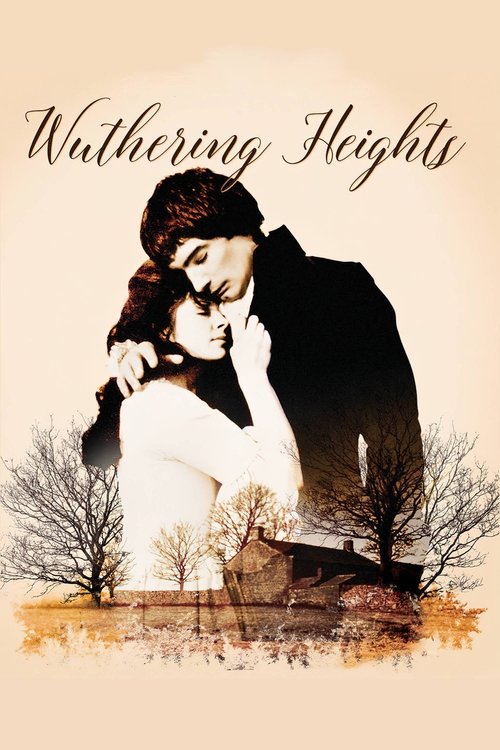
1970
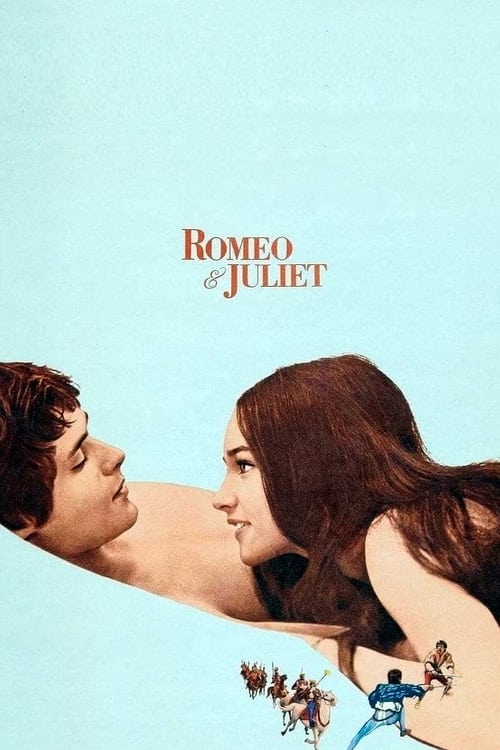
1968
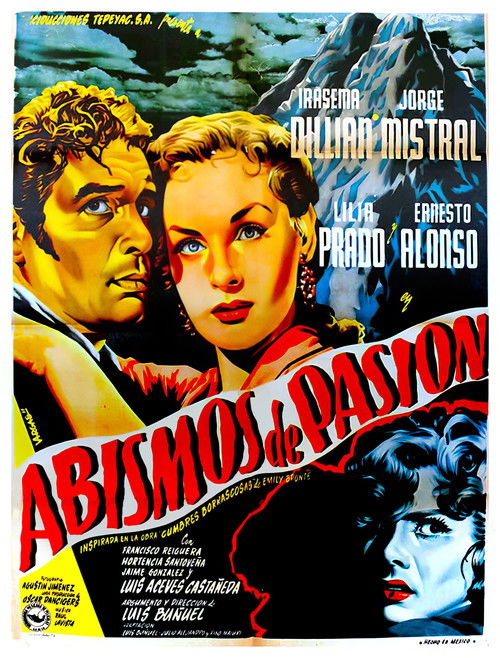
1954

1993
No reviews yet. Be the first to share your thoughts on this movie!
Use the rating form above to leave a star rating and optional review.