Stormy Waters
1941
No user ratings available yet
Representation score: 3.2 out of 10
Representation Score
Limited
1949
ApprovedDirector
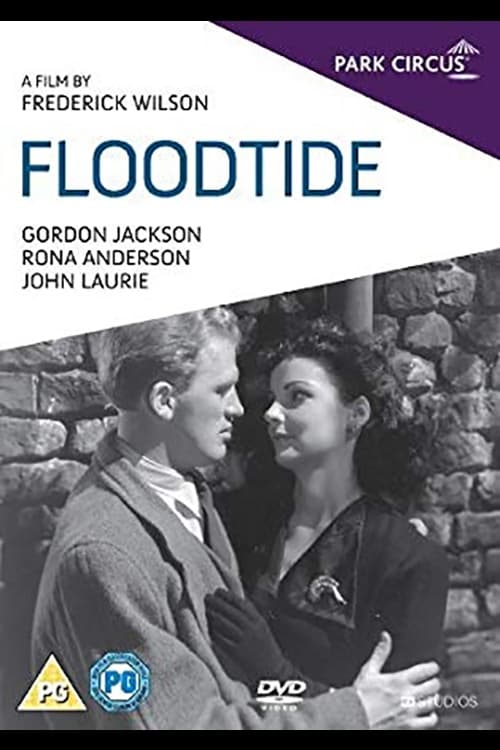
Frederick Wilson
Runtime
90 minutes
Average Rating
No ratings yetNew Showbiz Analysis
Floodtide reflects the conventional social and narrative structures of its era, the 1940s. The story centers around a single male protagonist's career progression, emphasizing individualistic success over broader social issues. The film lacks depth in representing various identities and social complexities. It adheres to the standard dramatic frameworks of the post-war period, reinforcing traditional Western values and homogeneous casting practices.
Category Breakdown
The film does not depict any LGBTQ+ identities or same-sex relationships. It follows a traditional storyline focused on heterosexual relationships.
The film emphasizes male leadership and professional autonomy through the main character, David Shields. The focus on industrial shipbuilding highlights traditional gender roles.
The cast appears to be homogenous, following the typical casting practices of 1949. There is no indication of a diverse or multicultural ensemble.
The story upholds mid-century Western values through the theme of individualistic professional success. It adheres to the social norms of the time.
There is no mention of characters with physical or cognitive disabilities.
Present on Screen
Limited or Absent
Official Synopsis
David Shields refuses to go into agriculture and opts instead for ship building
1941

1960

1961
1955
1947
1966
1937
1952
No reviews yet. Be the first to share your thoughts on this movie!
Use the rating form above to leave a star rating and optional review.