Floodtide
1949
No user ratings available yet
Diversity score: 3.2 out of 10
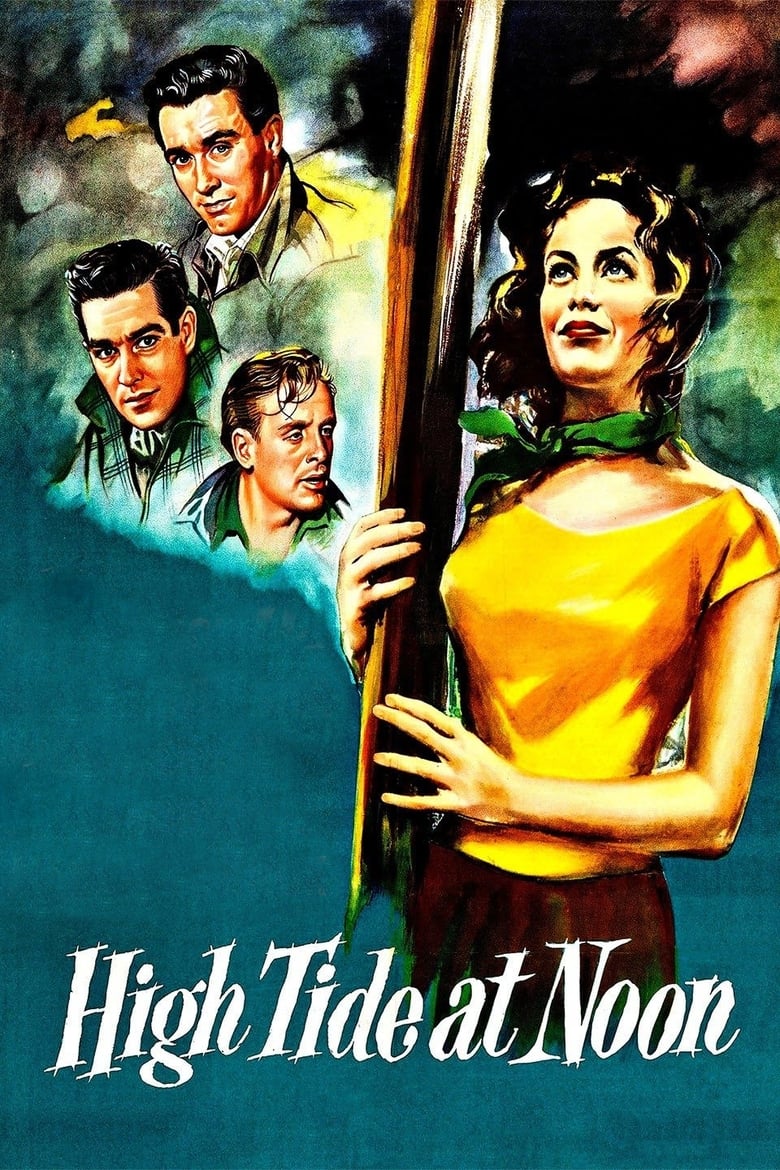
1957
Director
Philip Leacock
Runtime
109 minutes
Average Rating
No ratings yetSynopsis
After returning home to a rugged island near Nova Scotia, Joanna, daughter of the local bigwig, struggles to choose between three eligible bachelors -- the rebel, the steadfast friend and the poetry-quoting newcomer. As the local lobster supply dwindles due to overfishing, the island's inhabitants encounter economic difficulties.
Overall Score
Limited
Category Breakdown
LGBTQ+ Representation
The film adheres to standard 1950s romantic structures. It lacks LGBTQ+ characters or narratives that challenge heteronormative dynamics.
Gender Representation
Joanna provides a degree of female-led agency as the central protagonist. However, her role is defined by choosing between three male suitors, reinforcing traditional romantic tropes.
Racial & Ethnic Diversity
The Nova Scotian setting and era suggest a homogeneous demographic. There is no evidence of intersectional casting or non-Anglo-Saxon characters.
Religious & Cultural Diversity
The story explores social realism through economic hardship and overfishing. It focuses on localized community survival rather than critiquing systemic power or institutions.
Disability Representation
There is no information regarding characters with visible or invisible disabilities.
Strengths
Areas for Improvement
AI Analysis
High Tide at Noon is a conventional mid-century drama that prioritizes established romantic archetypes over diverse representation. While the female lead drives the central conflict, the narrative remains tethered to traditional gender roles and social hierarchies of the 1950s. The film's focus is localized, centering on the economic struggles of a Nova Scotian island community. This setting, combined with the era's production standards, results in a demographic that lacks racial or cultural intersectionality. Ultimately, the film functions as a period piece that reflects the social mores of its time. It relies on classic moral dichotomies rather than subverting systemic norms or providing inclusive character perspectives.
1949
1959
1953
1986
1965
1960
1937
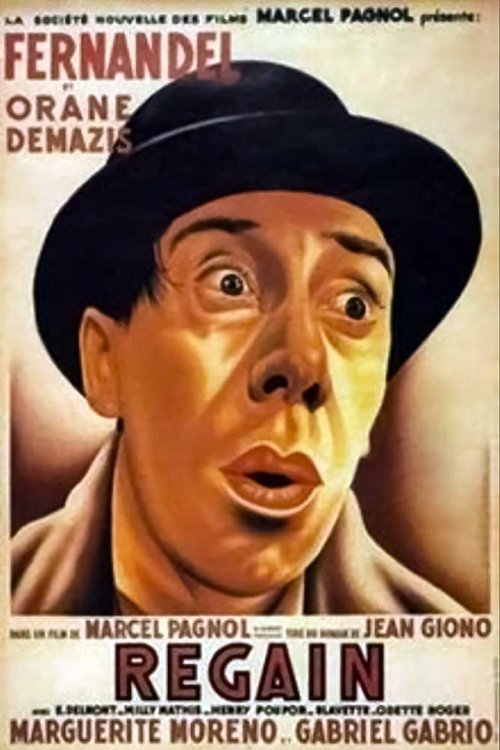
1937
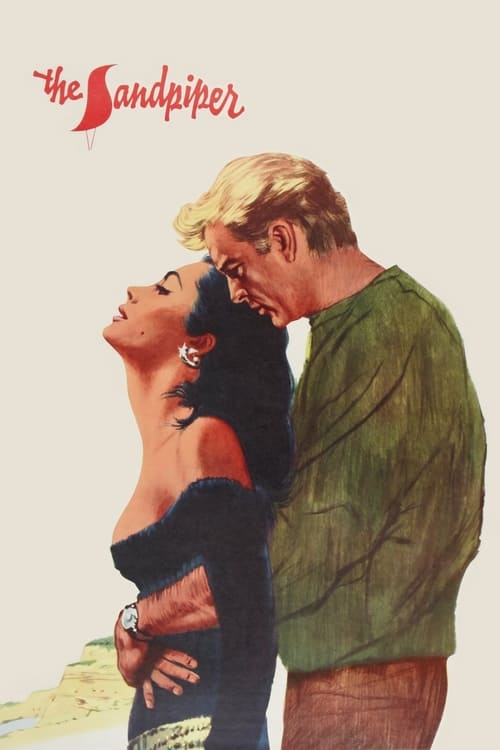
1965

1961
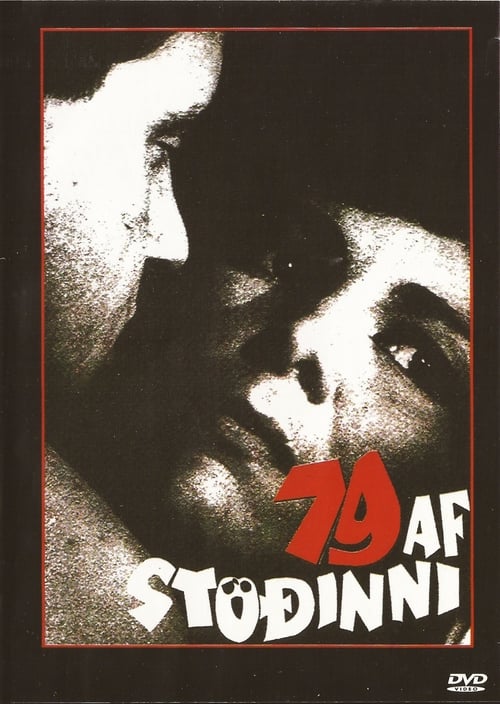
1962
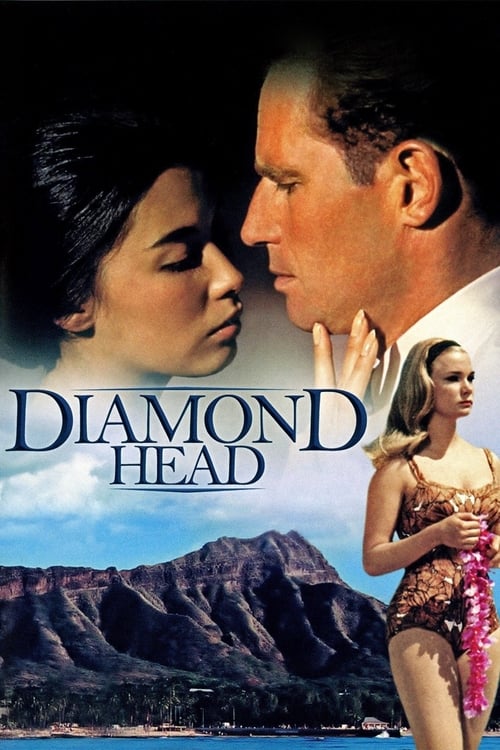
1962
No reviews yet. Be the first to share your thoughts on this movie!
Use the rating form above to leave a star rating and optional review.