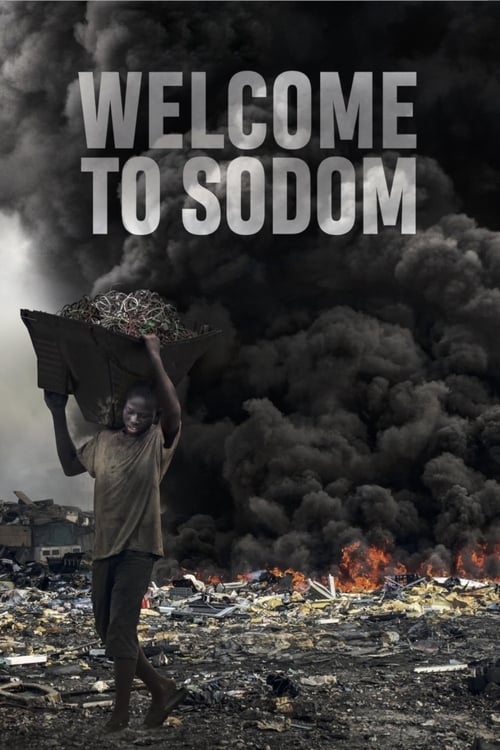
Welcome to Sodom
2018
No user ratings available yet
Representation score: 8.7 out of 10
Representation Score
Good
2017
Director
Edward Scott-Clarke
Runtime
52 minutes
Average Rating
No ratings yetNew Showbiz Analysis
E-Life challenges Western-centric perspectives by focusing on the impact of electronic waste on the Global South. By tracing the journey of discarded electronics to Ghana, the film highlights the experiences of non-Western subjects and critiques global capitalist structures. However, the documentary lacks intentional representation of identity-based social dynamics. It does not include LGBTQ+ themes or gender-driven narratives, focusing instead on systemic issues and investigative journalism. While the film addresses health impacts, it does not specifically center individuals with disabilities or chronic illnesses. The overall score reflects a work that is globally diverse but limited in its representation of individual identities.
Category Breakdown
The documentary focuses on the lifecycle of electronic waste and its global impact. There are no LGBTQ+ characters or themes related to non-straight relationships.
The narrative centers on global economic processes and environmental health. It does not challenge traditional gender roles through character development.
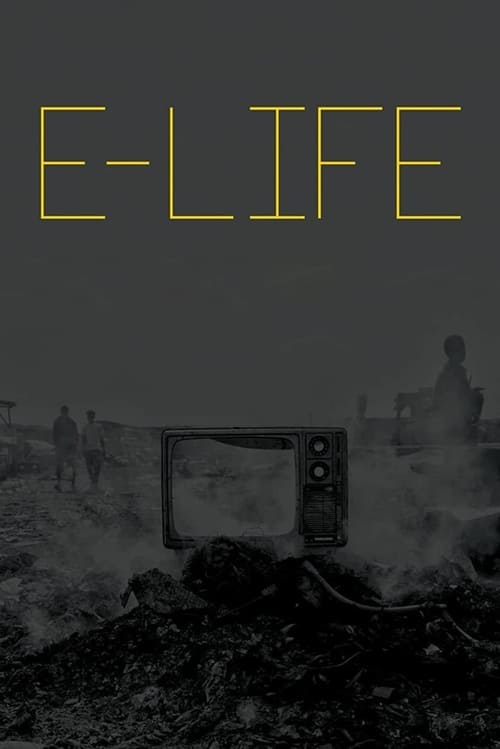
The film follows e-waste from the UK to Ghana, highlighting the experiences of recyclers in the Global South. This counters Western-centric views of consumerism.
The film critiques Western models of rapid technological upgrades and globalized capitalism. It highlights the systemic consequences of resource consumption and exploitation.
The documentary mentions the negative health effects of e-waste but does not focus on individuals with disabilities or specific chronic illnesses.
Present on Screen
Limited or Absent
Official Synopsis
Computers, smart phones, and tablets are now a part of our daily lives. They have revolutionised the way we work, the way we communicate and the way we view the world. But what happens to our old phone when we upgrade? Where does our broken computer go after we throw it out? 'e-Life' explores what happens to our electrical goods when we throw them away and exposes some unpleasant (and perhaps unknown) truths about the detrimental affects e-waste has on people's health, the environment and the economy. From consumers in the UK to the recyclers in the dumps of Ghana, the documentary will follow the journey of our e-waste. We will examine current manufacturing and disposal processes and also assess the burden the boom in electronic goods is placing on global resources. 'e-Life' will be an objective portrayal of the problem of e-waste that documents the issue through carefully crafted cinematography.
2018

2000
2016
2007
2019
2010

2012
2009
No reviews yet. Be the first to share your thoughts on this movie!
Use the rating form above to leave a star rating and optional review.