A Plastic Ocean
2016
No user ratings available yet
Representation score: 4.0 out of 10
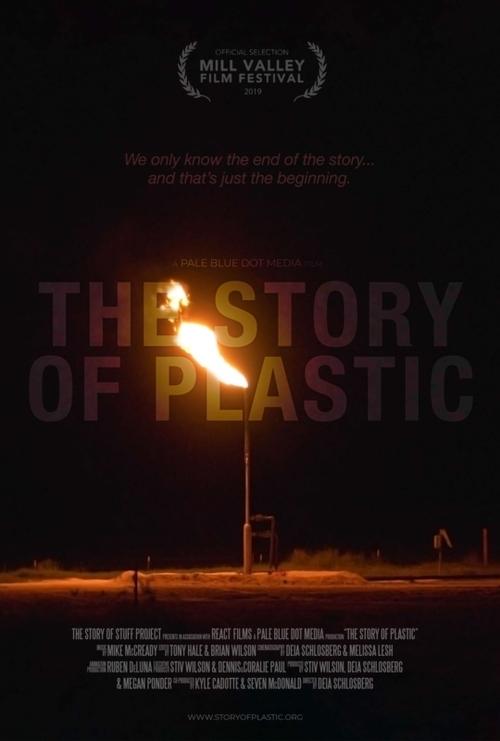
Representation Score
Excellent
2019
Director
Deia Schlosberg
Runtime
95 minutes
Average Rating
No ratings yetNew Showbiz Analysis
The Story of Plastic is a sophisticated documentary that connects environmental degradation to systemic power imbalances. It successfully moves beyond simple ecological observation to examine how industrial externalities disproportionately affect underrepresented populations. The film's greatest strength is its globalized perspective, particularly its focus on environmental justice in the Global South. By centering the lived experiences of those resisting petrochemical hegemony, it challenges Western-centric industrial narratives. While the film excels in racial and cultural critique, it remains neutral regarding LGBTQ+ identities and lacks specific representation for people with disabilities. The focus remains strictly on the intersection of capitalism and ecology.
Category Breakdown
The film focuses on ecological and systemic crises rather than identity-specific social narratives. It does not prominently feature LGBTQ+ characters or explore non-cisgender gender identities, maintaining a neutral stance centered on environmental activism.
The documentary disrupts traditional hierarchies by centering female voices within the environmental movement. It elevates female activists and experts to positions of strategic leadership, providing meaningful representation of women's ability to drive the story.
The film excels by highlighting the ability to act of communities in Southeast Asia and Africa. It uses a post-colonial framework to show how environmental racism affects people of color in the Global South.
The narrative is rooted in an anti-capitalist critique of the plastic economy. It portrays Western industrialism and capitalist institutions as drivers of systemic harm and ecological exploitation.
The film touches upon the physiological impacts of pollution on human health. However, it lacks specific portrayals of neurodivergence or physical disability that give real depth to characters with disabilities.
Present on Screen
Limited or Absent
Official Synopsis
The Story of Plastic is a seething expose uncovering the ugly truth behind the current global plastic pollution crisis. Striking footage shot over three continents illustrates the ongoing catastrophe: fields full of garbage, veritable mountains of trash; rivers and seas clogged with waste; and skies choked with the poisonous runoff from plastic production and recycling processes with no end in sight. Original animations, interviews with experts and activists, and never-before-filmed scenes reveal the disastrous consequences of the flood of plastic smothering ecosystems and poisoning communities around the world – and the global movement rising up in response.
2016
2015

2012

2020

2013
2007
2009
2021
No reviews yet. Be the first to share your thoughts on this movie!
Use the rating form above to leave a star rating and optional review.