So You Want to Learn to Dance
1953
No user ratings available yet
Representation score: 2.0 out of 10
No Poster Available
Representation Score
Minimal
1937
ApprovedDirector
Al Christie
Runtime
18 minutes
Average Rating
No ratings yetNew Showbiz Analysis
Dime a Dance is a classic product of its time, relying heavily on the comedic clichés and social hierarchies prevalent in 1937. Although the female leads are the main drivers of the action, their motivations are rooted in traditional gender expectations surrounding male approval. The film fails to offer any meaningful representation of LGBTQ+ identities or racial diversity, adhering closely to the mainstream standards of the period. It serves as a straightforward genre piece without challenging or subverting established social norms. Ultimately, the comedy arises from physical misunderstandings rather than narrative intricacy or layered character development. It upholds the societal norms of the 1930s through its casting and thematic focus.
Category Breakdown
The film does not include any LGBTQ+ characters or representations of non-straight relationships. The story revolves around women seeking male approval, reinforcing the traditional gender norms of the 1930s.
Women play key roles in driving the plot, but the humor often stems from undermining traditional femininity through physical comedy. The main motivations remain focused on attracting male attention.
The cast seems to mirror the homogeneous, Anglo-Saxon casting practices of the era. There are no characters of color with significant roles.
The story unfolds within a typical service industry setting. It lacks any anti-Western or secular themes, serving primarily as light-hearted entertainment.
There are no characters with visible or invisible disabilities mentioned in the story.
Present on Screen
Limited or Absent
Official Synopsis
June Allyson is a cashier in a dance hall and her friend Imogene Coca wants to get a job there as a dance hostess. June advises her she needs to first make herself attractive to men,and gives her a book on the subject. But Imogene, by mistake, picks up the wrong book and reads one on the art of jiu-jitsu. Imogene's first customer is a bashful sailor who gets turned every which way but loose. Hank Henry also appears as a sailor. All four performers had better things ahead of them although,in the case of comedian Hank Henry, not by much.
1953
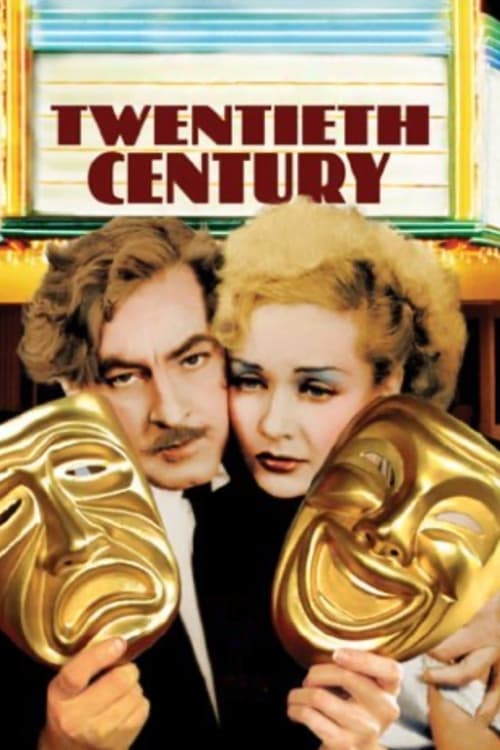
1934
1937
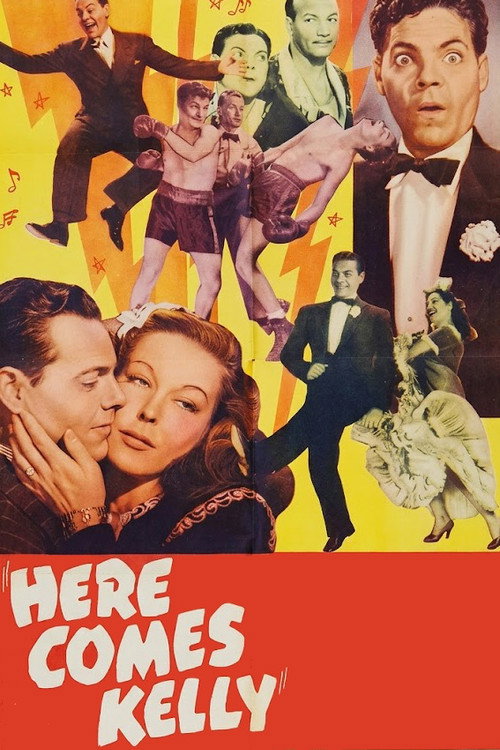
1943
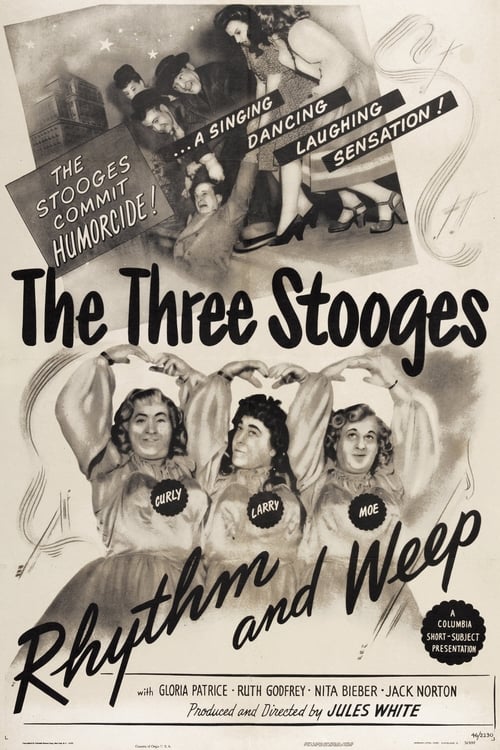
1946
1935
1935
1934
No reviews yet. Be the first to share your thoughts on this movie!
Use the rating form above to leave a star rating and optional review.