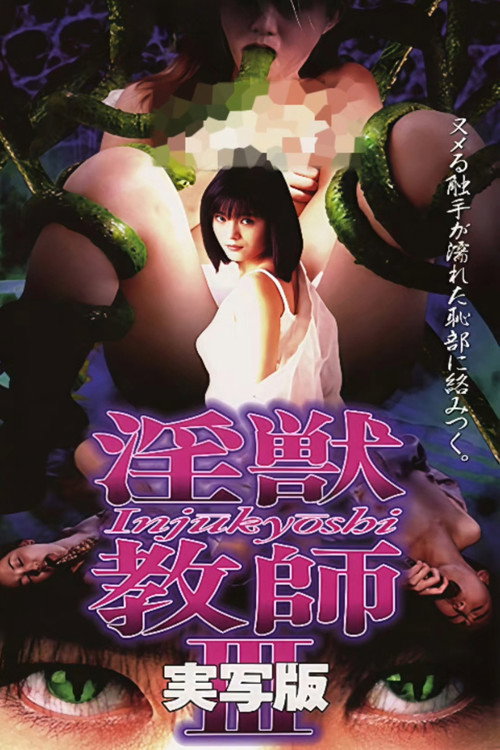
Angel of Darkness 3
1996
No user ratings available yet
Representation score: 3.8 out of 10

Representation Score
Limited
1995
Director
Mitsunori Hattori
Runtime
71 minutes
Average Rating
No ratings yetNew Showbiz Analysis
Angel of Darkness adheres closely to the clichés of exploitation horror. Its narrative structure relies on established power imbalances that favor a dominant male perspective over diverse storytelling. The film lacks meaningful character's ability to drive the story, especially among female subjects. Instead of challenging social hierarchies, the plot uses themes of transgression and supernatural corruption to drive its genre-specific horror elements. Overall, the production remains culturally specific and does not engage with characters who reflect more than one aspect of diversity or systemic critique.
Category Breakdown
The film does not include any LGBTQ+ characters or non-binary identities. The story centers around a male teacher's control over female students, reinforcing traditional heterosexual relationships.
Gender inequalities are highlighted through a male authority figure controlling female subjects. The narrative emphasizes the exploitation of women rather than empowering them.
Set in Tokyo with a Japanese cast, the film remains culturally specific. It lacks diverse ethnic identities to challenge its homogeneous representation.
The film uses supernatural corruption and institutional breakdown as horror clichés. It avoids deeper critiques of religion or systemic oppression, focusing on supernatural elements.
There are no characters with physical or neurodivergent disabilities. The protagonist's supernatural transformation serves as a genre device rather than a nuanced portrayal of disability.
Present on Screen
Limited or Absent
Official Synopsis
At a high school in Tokyo, several of the female students have been moon-lighting as prostitutes. A teacher catches onto this fact and goes about putting an end to it. Things go awry when he discovers he turns into a sex demon with tentacles whenever he gets aroused or angry.
1996

1969

1995

2005

2004

1990

1997

1999
No reviews yet. Be the first to share your thoughts on this movie!
Use the rating form above to leave a star rating and optional review.