
All a Bir-r-r-d
1950
No user ratings available yet
Representation score: 0.3 out of 10
Representation Score
Minimal
1954
ApprovedDirector
Friz Freleng
Runtime
7 minutes
Average Rating
No ratings yetNew Showbiz Analysis
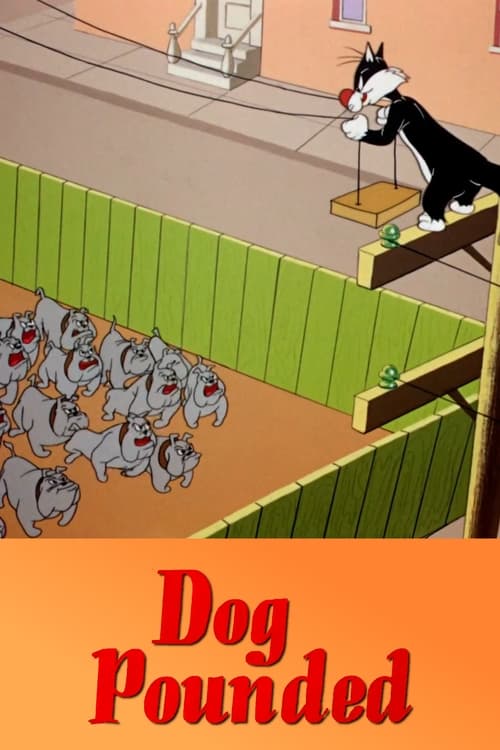
Dog Pounded is a classic example of mid-20th-century slapstick animation. The narrative revolves around the kinetic, predator-prey relationship between Sylvester Cat and Tweety Bird. Since the story focuses on physical comedy, it lacks social or layered complexity. The film operates within a traditional framework emphasizing universal physical humor. This approach results in a lack of representation across modern diversity metrics, as the characters are driven by instinctual conflict rather than social identity. Ultimately, the work reflects the production standards of its era, prioritizing rhythmic timing and slapstick over nuanced character development or cultural commentary.
Category Breakdown
The film centers on a traditional slapstick conflict between Sylvester and Tweety. It does not depict any non-traditional gender or sexual identities.
Characters are anthropomorphic animals, avoiding human gender roles. However, the film sticks to mid-century comedic clichés without challenging gender stereotypes.
The setting is a localized urban dog pound with a homogeneous cast. There is no indication of racial diversity or using species as ethnic symbols.
The narrative follows a traditional hunt common in Western animation. It lacks any critique of social institutions or religious themes.
The characters function as typical comedic agents within a slapstick framework. There is no indication of characters with disabilities.
Present on Screen
Limited or Absent
Official Synopsis
Sylvester Cat tries to catch Tweety Bird, who is up in a tree in the middle of the city dog pound.
1950
1947

1955
1957
1959
1950
1956
1956
No reviews yet. Be the first to share your thoughts on this movie!
Use the rating form above to leave a star rating and optional review.