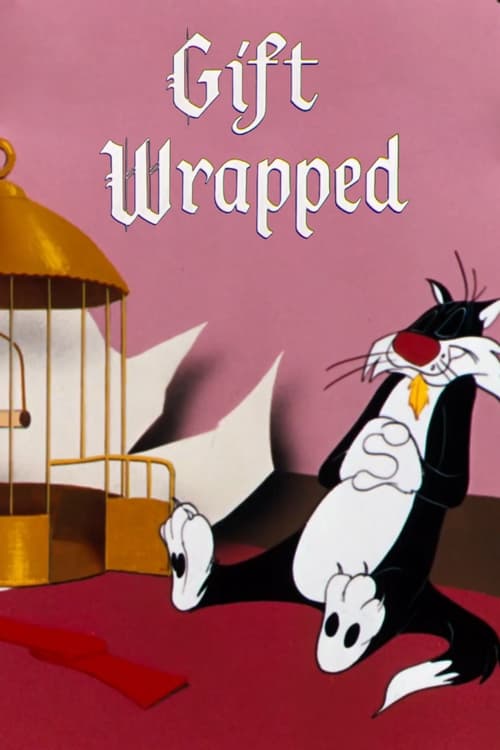
Gift Wrapped
1952
No user ratings available yet
Diversity score: 1.4 out of 10
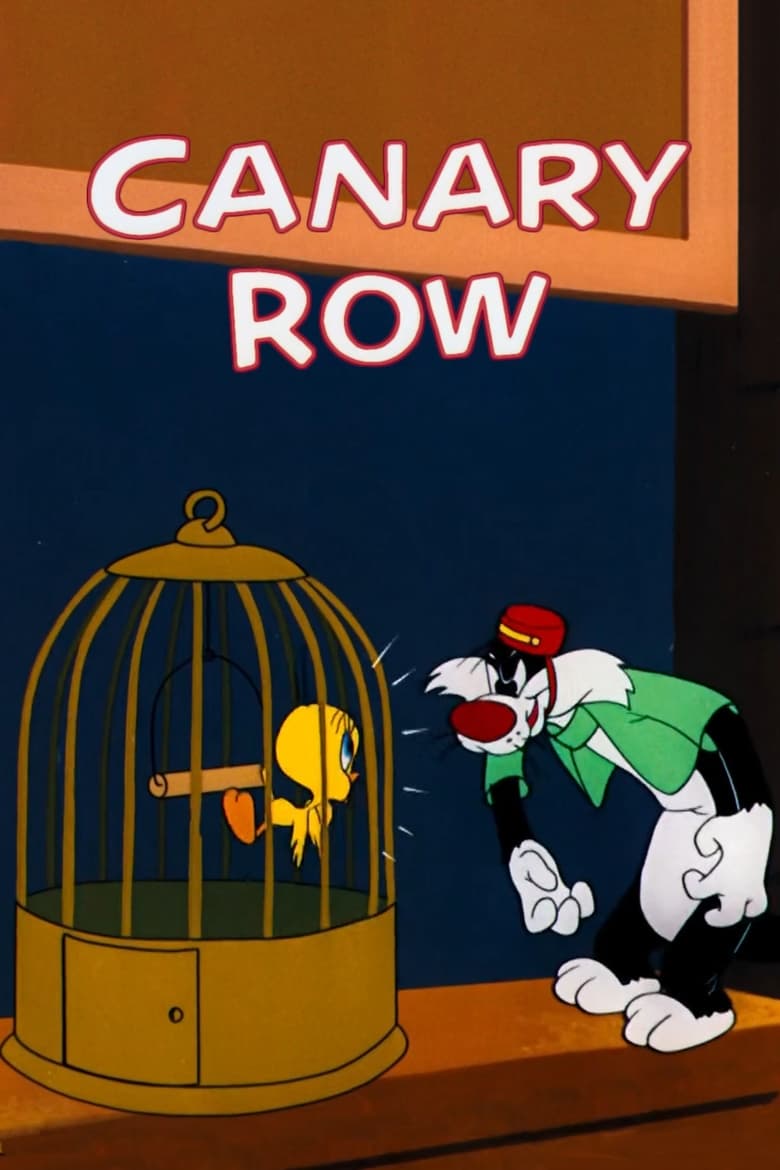
1950
NRDirector
Friz Freleng
Runtime
7 minutes
Average Rating
No ratings yetSynopsis
Sylvester Cat spots Tweety Bird in a San Francisco apartment and tries to gain access but cannot make it past Granny or the cat-hating desk clerk.
Overall Score
Minimal
Category Breakdown
LGBTQ+ Representation
The film contains no discernible LGBTQ+ characters or non-cisnormative identities. Character dynamics focus strictly on musical performance and slapstick interactions.
Gender Representation
A female lead singer serves as the central performer, though she fits the 'canary girl' cabaret archetype. The role emphasizes aesthetic appeal rather than subverting traditional gender hierarchies.
Racial & Ethnic Diversity
The cast consists of stylized musical figures within a high-society setting. There is no evidence of diverse casting or the use of species as ethnic metaphors.
Religious & Cultural Diversity
The film operates within a conventional Western entertainment framework. It reinforces a polished depiction of high-society nightlife without deconstructing Western institutions.
Disability Representation
No characters with visible or invisible disabilities are depicted. Characters are driven by rhythmic, synchronized movements rather than any disability-based narrative devices.
Strengths
Areas for Improvement
AI Analysis
Canary Row is a mid-century animated short that prioritizes rhythmic synchronization and comedic timing over social or identity-based narratives. The film functions as a slapstick musical piece, utilizing anthropomorphic figures to drive a synchronized sequence. Because the work adheres to established genre conventions of the 1950s, it offers little opportunity for nuanced representation. The narrative architecture is built on traditional tropes that do not seek to challenge or disrupt social, gender, or racial hierarchies. Ultimately, the film serves as a standard celebratory musical comedy. Its lack of intersectional complexity reflects the production standards of its era, focusing on technical animation prowess rather than complex character development.
1952

1953
1953
1948
1958
1948
1954
1951
1949
1955
1953
1950
No reviews yet. Be the first to share your thoughts on this movie!
Use the rating form above to leave a star rating and optional review.