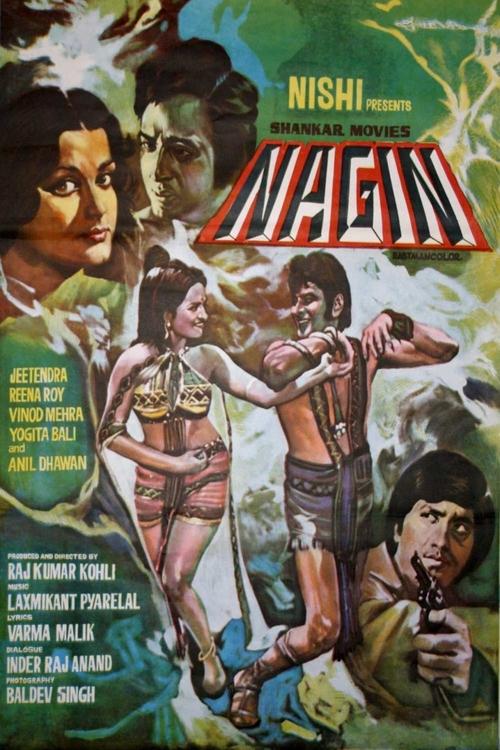
Nagin
1976
No user ratings available yet
Representation score: 4.0 out of 10
Representation Score
Minimal
1979
Director
Rajkumar Kohli
Runtime
154 minutes
Average Rating
No ratings yetNew Showbiz Analysis
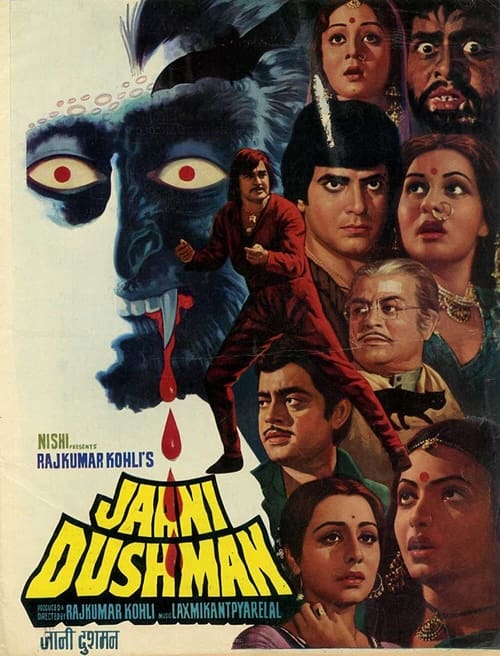
Jaani Dushman is a classic revenge thriller that prioritizes genre clichés over social commentary. The narrative structure relies heavily on traditional masculine leadership and conventional gender roles. While the film accurately reflects the cultural landscape of its time, it lacks complexity in representing diverse identities. It reinforces traditional views on justice through its reliance on vigilantism. The film focuses on heightened melodrama typical of 1970s masala cinema, rather than challenging established social hierarchies.
Category Breakdown
The film does not include any LGBTQ+ characters or non-straight relationships. Romantic conflicts are confined to traditional heterosexual relationships.
Female characters mainly serve as emotional catalysts or victims. Male protagonists drive the narrative, leaving women as passive recipients of affection or violence.
The cast reflects a culturally homogeneous environment typical of the era. It accurately portrays its setting without using harmful racial stereotypes.
Traditional moralism and religious imagery, such as the temple, are key plot elements. The story centers on personal retribution rather than systemic justice.
There is no significant depiction of physical or neurodivergent disabilities. The monster is a supernatural manifestation of rage rather than a nuanced portrayal of disability.
Present on Screen
Limited or Absent
Official Synopsis
Jwala Prasad is to marry the girl of his dreams. On the day of the marriage, she is dressed all in red, as is the tradition in India. Just before the wedding she slips off to meet her real lover. When Jwala finds out, be is so enraged at he turns into a monster and kills both the to-be bride and her male friend. The saga does not end here, and this monster continues to terrorize the region, first abducting brides dressed in red just before the wedding procession stops at a Mandir (temple).
1976
2020
1992
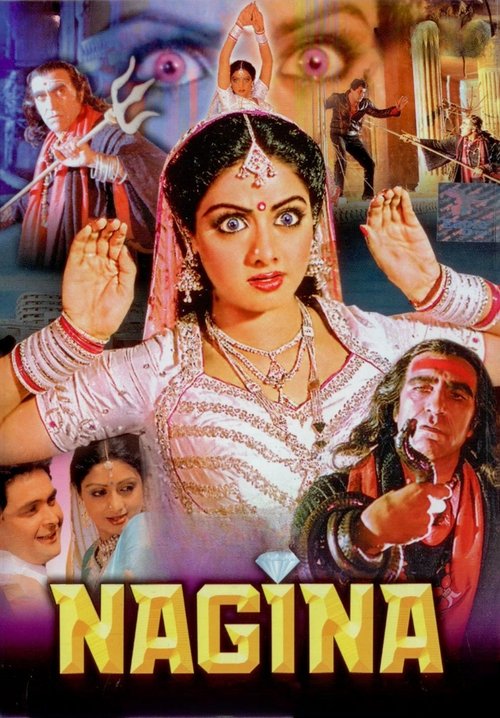
1986
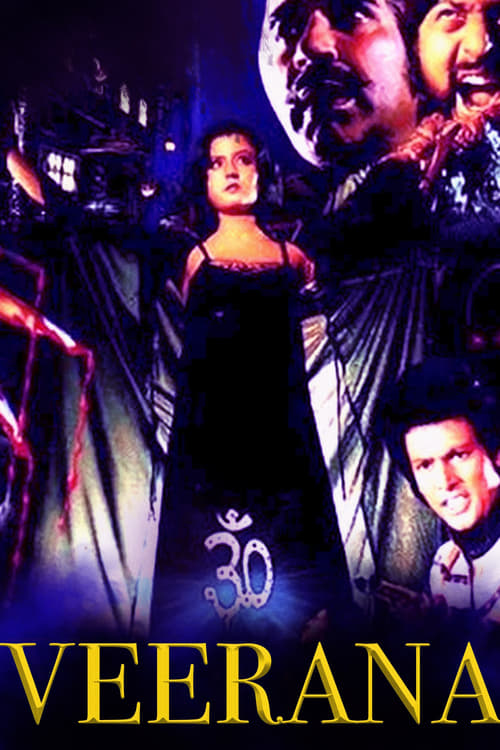
1988
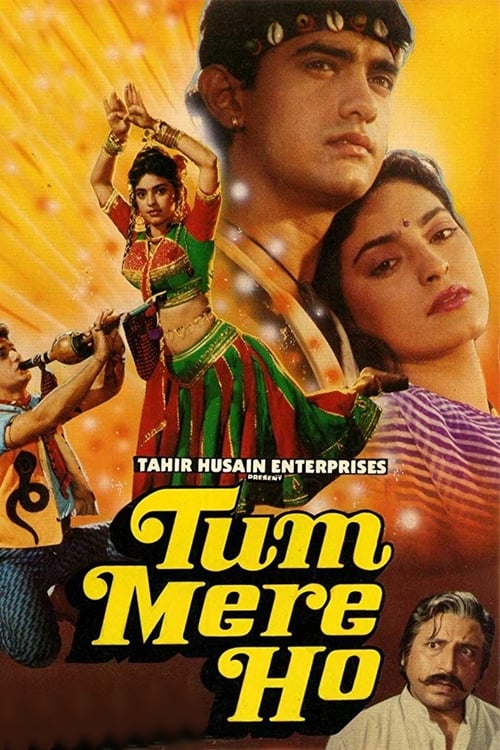
1990

1989

1962
No reviews yet. Be the first to share your thoughts on this movie!
Use the rating form above to leave a star rating and optional review.