Junoon
1992
No user ratings available yet
Representation score: 1.3 out of 10
Representation Score
Fair
1989
Director
Shyam Ramsay, Tulsi Ramsay
Runtime
145 minutes
Average Rating
No ratings yetNew Showbiz Analysis
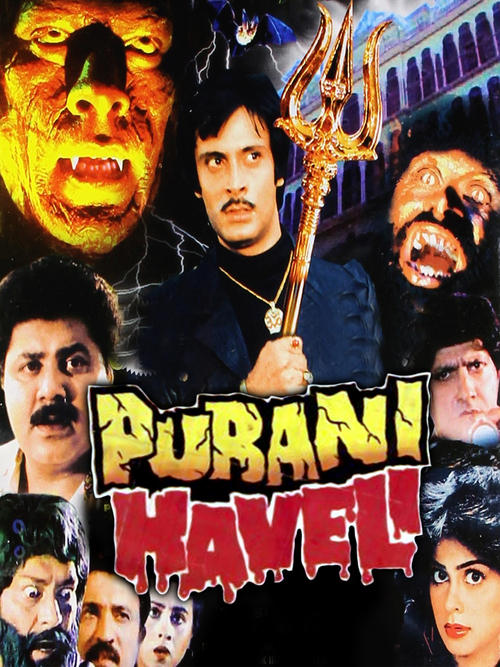
Purani Haveli is a genre-driven horror film that emphasizes supernatural elements over sociopolitical themes. Its narrative structure relies heavily on traditional clichés, reinforcing established social hierarchies rather than challenging them. The primary conflicts in the film stem from straight-centered romance and patriarchal family structures. Despite Anita's efforts to assert her autonomy, she faces immediate resistance from male relatives who control her social path. Ultimately, the film functions as a culturally specific piece of cult cinema. It operates within a traditional moral framework where the horror originates from broken familial bonds and the consequences of ancestral actions.
Category Breakdown
The film focuses on a traditional romantic relationship between Anita and Sunil. There is no indication of queer-coded subtext or non-traditional gender identities.
Anita asserts herself by choosing her own partner, but she encounters systemic resistance from male authority figures. The power dynamics remain tied to traditional patriarchal structures.
Given its domestic Indian setting, the cast is ethnically homogeneous. The film operates within a localized cultural context rather than a Western-centric perspective.
Conflicts arise from the tension between personal desires and the preservation of the family unit. The moral framework emphasizes lineage and the repercussions of domestic transgressions.
The central monster is a supernatural threat rather than a representation of lived experience. There is no evidence of characters with disabilities having significant roles in the story.
Present on Screen
Limited or Absent
Official Synopsis
After the passing away of her parents, Anita Kumar now lives with her paternal uncle, Kumar; his wife, Seema; and Seema's brother, Vikram. The family's business is taken over by Kumar, who uses some money to buy an old mansion deep in the countryside of Rana. Seema would like Anita to marry her brother, but Anita has already given her heart to Sunil, who runs a photo studio and is poor. This does not go over well with the Kumars, and they forbid her to see Sunil anymore. Then, when Kumar goes to take possession of the mansion, Anita's friends Shobha and Anand ask her if they can visit the mansion and also invite Sunil secretly. They also invite several other friends, including Sunil's assistant Manghu and travel via a bus. What the group does not know that is the mansion holds an evil secret, and that beneath the mansion, locked in a dungeon by its very own biological father, lies a monster, evil beyond imagination--and its primary diet is human meat!!
1992

1960
1984
2019
1996
2002
1992

1988
No reviews yet. Be the first to share your thoughts on this movie!
Use the rating form above to leave a star rating and optional review.