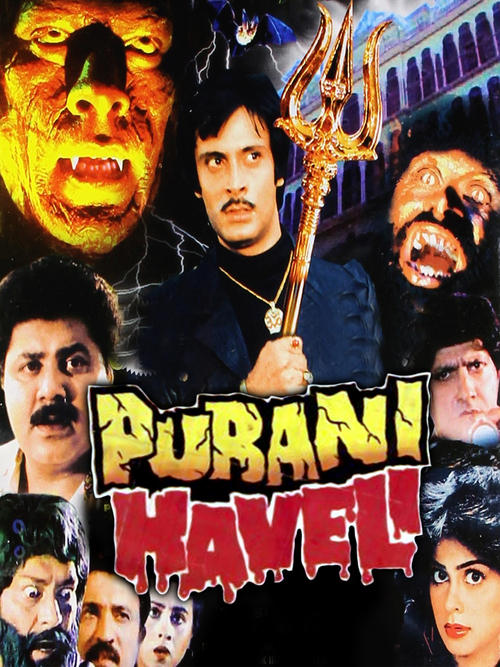
Purani Haveli
1989
No user ratings available yet
Representation score: 4.6 out of 10
Representation Score
Minimal
1992
Director
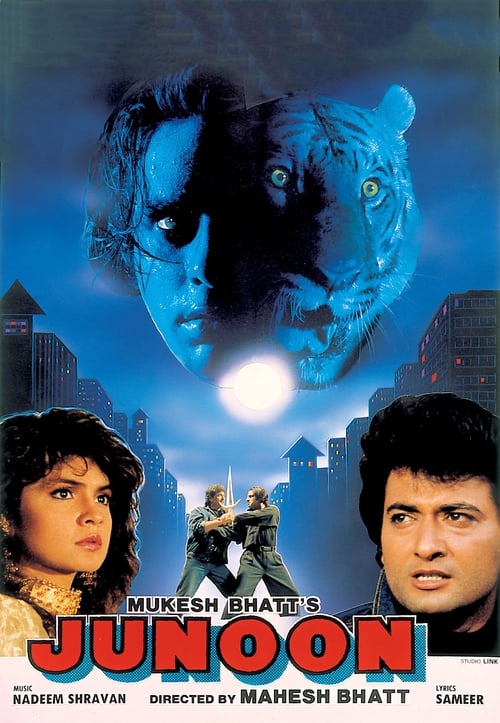
Robin Bhatt, Mahesh Bhatt
Runtime
129 minutes
Average Rating
No ratings yetNew Showbiz Analysis
Junoon is a typical commercial melodrama that emphasizes emotional intensity over challenging social hierarchies. While the female lead has a professional role as a surgeon, her story revolves around conventional gender expectations and family pressures. The film adheres to the social norms of 1990s Indian society, using traditional institutions like parental authority and socioeconomic marriage pressures to heighten the central romantic conflict. It does not question these structures but instead reinforces them. Overall, Junoon serves as a standard representation of its specific cultural context, focusing on traditional themes without introducing diverse identities beyond its central romantic plot.
Category Breakdown
The film follows a traditional structure centered around a heterosexual love triangle involving a woman and two men, with no representation of LGBTQ+ identities.
Nita, a surgeon, has a strong professional role but her story is driven by romantic choices and family pressures. Male characters dominate the plot through themes of obsession and pursuit.
The cast is made up of a homogeneous South Asian group, representing a specific cultural context without engaging with other ethnicities.
The story emphasizes traditional social and familial institutions, where conflicts arise from parental authority and socioeconomic pressures related to marriage.
There is no depiction of physical or neurodivergent disabilities. The narrative focuses solely on romantic and supernatural elements.
Present on Screen
Limited or Absent
Official Synopsis
Nita lives a middle-class lifestyle with her mom and dad in Bombay, India, and works as a Surgeon in a hospital. She is of marriageable age, & is in love with a struggling Musician/Singer named Ravi, much to the chagrin of her mom, who wants her to marry someone who is wealthy. One day a badly wounded male is admitted into the hospital, is pronounced dead, but recovers, and with Nita's help recuperates and is discharged. He visits Nita's home, introduces himself as wealthy Vikram Chauhan and asks her parents for the hand of Nita, who immediately accept. But Nita wants to marry Ravi and plans to elope with him. On that fateful day, Ravi fails to keep his appointment and a heartbroken Nita decides to get married to Vikram. The marriage takes place with great pomp and ceremony. When Ravi attempts to re-enter Nita's life, she forbids him. Little does she know that Ravi's plans had been sabotaged by none other than Vikram - who is in reality a human during daytime...
1989
1942
1992

2020
1979
2002

2016

2010
No reviews yet. Be the first to share your thoughts on this movie!
Use the rating form above to leave a star rating and optional review.