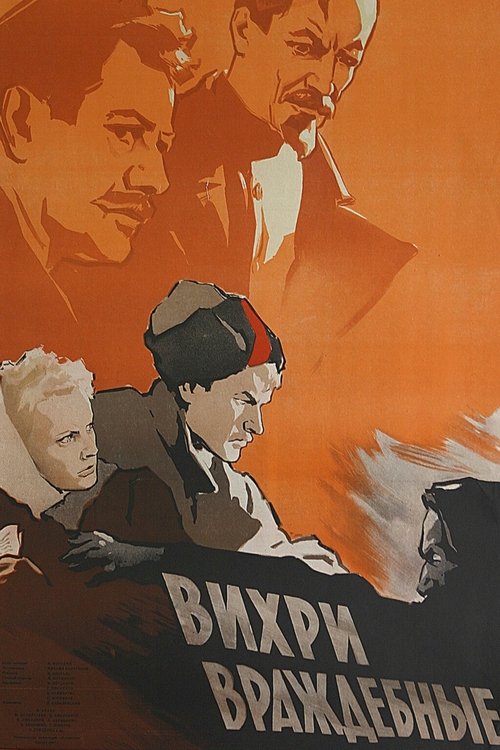
Hostile Whirlwinds
1956
No user ratings available yet
Representation score: 2.6 out of 10
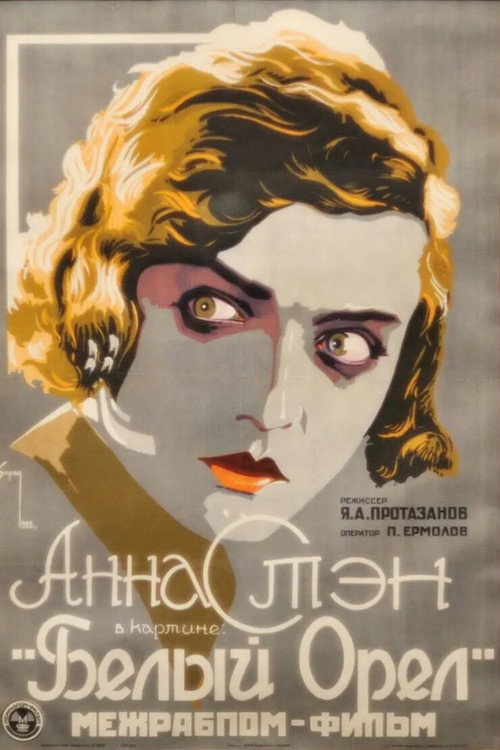
Representation Score
Limited
1928
Director
Yakov Protazanov
Runtime
67 minutes
Average Rating
No ratings yetNew Showbiz Analysis
The film primarily serves as a tool for socio-political critique rather than focusing on identity representation. It prioritizes a historical-materialist perspective, using the chaos of revolution to dismantle the old order. While the film performs poorly in modern standards of gender and LGBTQ+ inclusion, it excels in cultural representation. It challenges the legitimacy of imperial institutions and celebrates the overthrow of social hierarchies. The narrative centers on the clash of national identities and the conflict between state authority and revolutionary movements.
Category Breakdown
The film follows traditional heterosexual relationships common in early 20th-century melodramas. It does not include characters with non-binary gender identities or same-sex relationships.
Female characters mainly serve as emotional support for male protagonists. They are present in the revolutionary context but do not have enough independence to challenge traditional gender roles.
The film casts actors representing European nationalities during the Polish-Soviet War. It highlights tensions between Polish and Russian/Soviet ethnic groups rather than showing a unified culture.
The story criticizes imperial institutions by depicting the Tsarist government as corrupt. It emphasizes class struggle and revolutionary change over traditional patriotism or religious morality.
The film does not prominently feature characters with physical or neurodivergent disabilities that play key roles in the plot.
Present on Screen
Limited or Absent
Official Synopsis
The film is based on The Governor, a play by Leonid Andreyev. V.I. Kachalov plays the governor of a small Russian province who tries to treat the people under his authority with kindness and equanimity. But when a local factory goes on strike, the governor buckles under to pressure from the Tzar and orders the wholesale slaughter of the strikers. He pays for this betrayal of his trust with his life -- at the hands of a courageous Bolshevik spy.
1956
1925

1921
1928
1939

1957
1951
1939
No reviews yet. Be the first to share your thoughts on this movie!
Use the rating form above to leave a star rating and optional review.