White Apache
1987
No user ratings available yet
Representation score: 2.9 out of 10
Representation Score
Limited
1972
Director
Alessandro Santini
Runtime
79 minutes
Average Rating
No ratings yetNew Showbiz Analysis
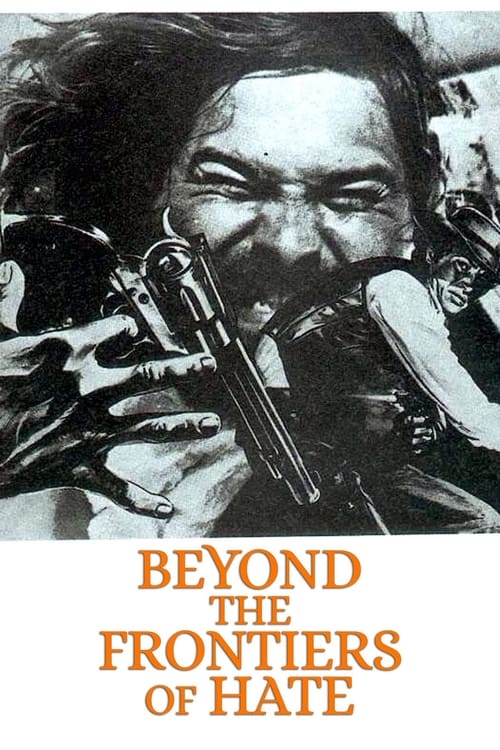
Beyond the Frontiers of Hate operates strictly within the conventions of the 1970s Western genre. The narrative structure prioritizes a cycle of patriarchal revenge and tribal conflict, limiting the scope for diverse storytelling. While the film includes Indigenous characters, they are primarily depicted within a traditional conflict model centered on the destruction of a pioneer family. This approach favors genre-standard clichés over nuanced or actively leading representation. Ultimately, the film lacks the subversion of social hierarchies necessary for a higher diversity score, focusing instead on classic themes of retribution and frontier mythology.
Category Breakdown
The film does not include any representation of LGBTQ+ identities or same-sex relationships. The story revolves around traditional family structures and tribal dynamics.
The story centers on a cycle of revenge driven by patriarchal structures. Although there is a female character who is displaced, she is portrayed as a passive subject of adoption rather than an active participant.
The plot involves the interaction between pioneers and Indigenous populations. However, the representation of Indigenous characters seems to follow conventional genre clichés of conflict rather than providing deeper character development.
The film adheres to traditional Western frontier myths, emphasizing individualistic justice and familial retribution over more complex or secular themes.
There is no sustained portrayal of disability or neurodivergence. A character being left unconscious describes a temporary physical state rather than a permanent condition.
Present on Screen
Limited or Absent
Official Synopsis
A family of pioneers is almost completely destroyed by Indians in search of revenge: little George was left fainted on the ground and his small sister adopted by the Indian chief... Fate will bring them together again.
1987
1967
1967
1966

1952
1966
1929

1960
No reviews yet. Be the first to share your thoughts on this movie!
Use the rating form above to leave a star rating and optional review.