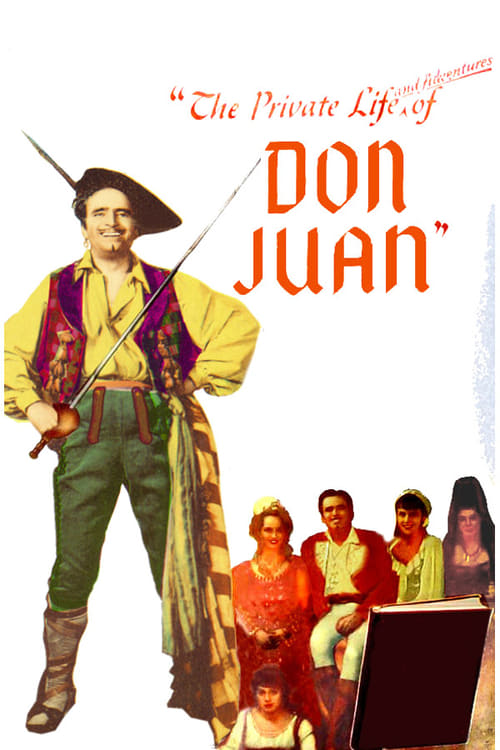
The Private Life of Don Juan
1934
No user ratings available yet
Diversity score: 1.6 out of 10

1923
NRDirector
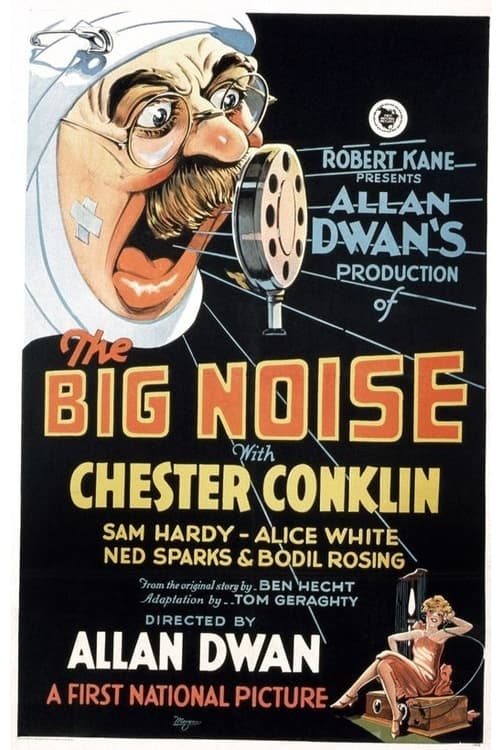
Allan Dwan
Runtime
84 minutes
Average Rating
No ratings yetSynopsis
Zaza is an actress and the favorite at an open-air theater in a small French town. When diplomat Bernard Dufresne comes to the village, he stays away for fear he will fall for her. But during one performance, while Zaza is singing on a swing, her rival cuts the rope and she falls. Zaza is badly injured and she makes Dufresne's acquaintance. A romance quickly springs up and he installs her in a villa. Their happiness is marred, however, when his wife appears.
Overall Score
Minimal
Category Breakdown
LGBTQ+ Representation
The film focuses exclusively on a heterosexual romance between Zaza and Bernard Dufresne. No non-cisnormative identities or queer perspectives are present in the narrative.
Gender Representation
Zaza serves as a central female protagonist with significant narrative agency. However, her arc is heavily defined by romantic tropes and her relationship with a male diplomat.
Racial & Ethnic Diversity
The setting in a small French town suggests a homogeneous European environment. The story lacks evidence of diverse racial or ethnic characters beyond a white-centric social norm.
Religious & Cultural Diversity
The plot centers on traditional Western social structures and marital hierarchies. It emphasizes conventional social mores rather than exploring diverse cultural values or institutional critiques.
Disability Representation
A physical injury occurs when Zaza's swing is sabotaged. This injury functions primarily as a plot device to trigger the romance rather than exploring disability itself.
Strengths
Areas for Improvement
AI Analysis
Zaza is a classic romantic melodrama that follows a traditional trajectory of injury, courtship, and marital complication. While it centers on a female lead, the narrative remains tethered to the period's conventional social hierarchies and romantic tropes. The film lacks intersectional complexity, focusing instead on a homogeneous European setting and a standard heterosexual arc. The protagonist's physical trauma serves the plot's romantic momentum rather than providing a nuanced look at lived experience. Ultimately, the work reflects the era's standard cinematic structures, prioritizing domestic stability and traditional courtship over systemic critique or diverse representation.
No reviews yet. Be the first to share your thoughts on this movie!
Use the rating form above to leave a star rating and optional review.