
Love Comes to Magoo
1958
No user ratings available yet
Representation score: 0.4 out of 10
Representation Score
Minimal
1957
ApprovedDirector
Izzy Sparber
Runtime
7 minutes
Average Rating
No ratings yetNew Showbiz Analysis
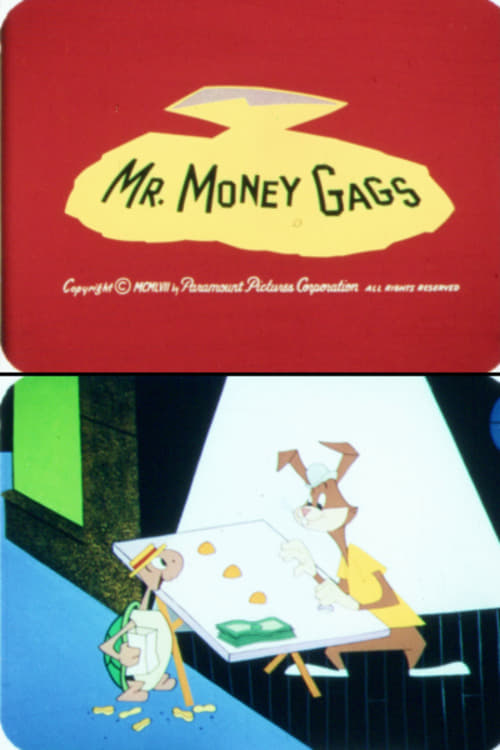
Mr. Money Gags opens with the visual language of a 1950s sports broadcast, framing a simple shell game as a high-stakes contest of wits. The film’s argument is straightforward: the diligent underdog, Tommy Tortoise, will inevitably outlast the arrogant con artist, Moe Hare. This is a traditional moral fable where the "slow" character’s persistence is the virtue that defeats the "fast" character’s hubris. The camera loves the orderly resolution, where the system (police) steps in to punish the transgressor and reward the honest participant. The sold meaning is that merit and honesty are the ultimate currencies. The contradiction lies in the film’s brevity and lack of nuance; it does not question the system that captures Moe, nor does it explore the social dynamics of the race. The ending is a clean moral verdict: the con man is shut out, the tortoise is rewarded, and the status quo is affirmed. It is a neat, conservative package that treats traditional values as unmarked and good.
Category Breakdown
No same-sex intimacy or gender non-conformity appears. The narrative focuses entirely on a competitive shell game between two animal characters, devoid of romantic or gendered dynamics.
The cast consists of anthropomorphic animals with no human gender markers, marital status, or domestic roles. The conflict is strictly competitive, devoid of gendered dynamics or traditional family structures.
Eddie Lawrence, a Black actor, voices the protagonist Tommy Tortoise. However, the on-screen visuals are standard 1950s animation with no explicit racial coding, and the character’s identity is defined by species rather than ethnicity.
The film reinforces a meritocratic value system where the diligent underdog outwits the arrogant con artist. Traditional Western defaults of honesty and hard work are treated as the moral baseline, with no challenge to institutional authority.
No characters display physical, sensory, or cognitive impairments. The tortoise’s slow speed is a biological trait used for comedic timing, not a representation of disability or neurodiversity.
Present on Screen
Limited or Absent
Official Synopsis
Tommy Tortoise outwits con man Moe Hare in a shell game, foiling Moe’s attempt to rob him and earning a reward when Moe is captured by police.
1958
1953
1954
1955

1953
1955
1954
1948
No reviews yet. Be the first to share your thoughts on this movie!
Use the rating form above to leave a star rating and optional review.